How Parenting Affects Brain Development
A child's brain grows faster in the first years than at any other time in life, and caregiving is a major part of its environment. Research suggests that responsive, warm relationships and rich interactions promote healthy brain development, while chronic stress and neglect can interfere.
Serve and return
The Harvard Center on the Developing Child describes how babies "serve" with babbling, gestures and cries, and caregivers "return" with eye contact, words and comfort. These exchanges help form neural connections, and their absence can disrupt development.
What research shows
Language
Children whose parents talk, read and respond to them contextually develop larger vocabularies. Conversational turns, not just word counts, have been linked to brain activity in language regions in studies by Rachel Romeo and colleagues. Reading aloud from infancy is associated with language and literacy benefits.
Stress regulation
Sensitive caregiving buffers the child's stress response. Children in nurturing homes tend to have well-regulated cortisol, whereas harsh or chaotic environments can lead to heightened reactivity. Chronic stress without supportive adults has been called toxic stress.
Emotional development
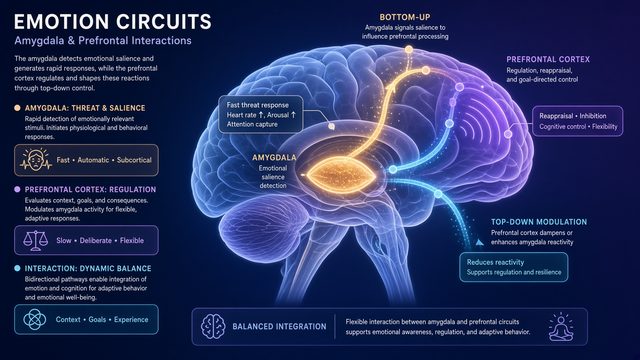
Parents who label emotions and help children calm ("co-regulation") support the development of self-regulation. Prefrontal-amygdala connectivity has been associated with early caregiving quality in some imaging studies.
Brain structure
Studies link supportive parenting in early childhood with larger hippocampal volume at school age, and harsh parenting with differences in amygdala and prefrontal development. Poverty and associated stress have been associated with differences in brain surface area and language-related regions, though these are associations influenced by many factors, and resources and policies matter.
Executive function
Warm, structured parenting that encourages autonomy supports working memory, attention and self-control.

Harsh discipline and adversity
Physical punishment, verbal abuse, neglect and exposure to violence are linked with worse mental health and altered stress circuits. Adverse childhood experiences are associated with long-term health risks. Not all children are affected the same way, and protective relationships make a large difference.
Parent brain too
Parenting also changes parents' brains. Pregnancy and early parenthood alter brain regions related to empathy and caregiving. Exhausted, depressed or highly stressed parents may find responsive interaction harder, so supporting parents supports children.
Good-enough parenting
Perfection is not required. Studies suggest that parents are attuned only part of the time, and that repairing ruptures after conflict teaches children about resilience. Consistency, warmth and reasonable limits matter more than any one choice.
Practical ways to support development
1. Respond to your baby's cues with attention and comfort. 2. Talk, sing and read daily, narrating and asking questions. 3. Play together, following the child's lead. 4. Provide routines for sleep, meals and play. 5. Set clear, kind limits and explain them. 6. Name feelings and model calm strategies. 7. Limit passive screen time for young children and watch together when used. 8. Ensure good nutrition and sleep. 9. Seek developmental screening if concerned. 10. Take care of yourself, and ask for help when overwhelmed.
Supporting parents
Parental leave, affordable childcare, home visiting programs and mental health support improve outcomes. Programs that coach parents in responsive interaction have shown benefits for children's development.
When to get help
Talk to a pediatrician if your child is not meeting milestones, or if you feel persistently depressed, anxious or unable to cope. Postpartum depression is common and treatable.
Resilience
Many children who face hardship thrive, and at least one stable, caring adult is among the strongest protective factors. It is never too late to strengthen a relationship.
Further reading from authoritative sources
- National Institute of Mental Health (NIMH)
- National Institute of Neurological Disorders and Stroke (NINDS)
This article is educational and does not replace advice from a licensed clinician. See the medical disclaimer. Looking for specialist care? Browse the neurology clinic directory.