How the Brain Processes Social Status
Humans, like many animals, live in hierarchies, and we are acutely sensitive to where we stand relative to others. Status affects how we feel, behave and even how healthy we are.
Brain circuits for rank
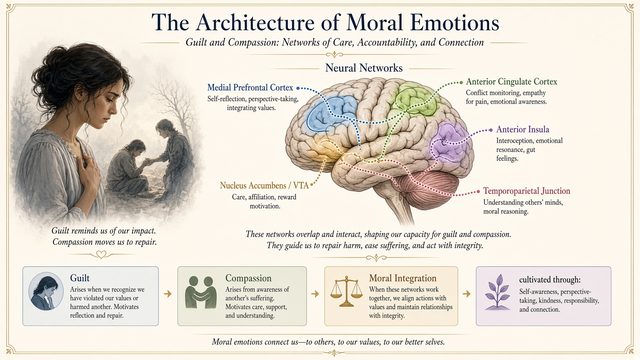
Studies by Caroline Zink and colleagues showed that viewing a higher-ranked person engaged regions involved in social cognition and attention, such as the parietal cortex, and that interacting with higher-ranked players changed activity in the amygdala and prefrontal cortex. The ventral striatum responds to rewards such as social approval and rising rank, and the amygdala and insula respond to threats of rejection or demotion. Researchers have proposed that the brain tracks status as an important social variable, similar to how it tracks reward value.
Status and stress
Robert Sapolsky's studies of baboons found that subordinate animals often show higher stress hormones, though the pattern depends on the stability of the hierarchy and social support. In humans, the Whitehall studies led by Michael Marmot showed that British civil servants lower in the employment hierarchy had higher rates of heart disease and mortality, even when all had stable jobs and healthcare access. Lower perceived status, rather than just income, predicts worse health in some research. Factors may include control over work, stress, health behaviors and discrimination.

Subjective status
Perceived social standing, often measured with the MacArthur ladder, relates to health, sleep and mood independent of objective measures. Comparing oneself to others, especially upward, can fuel envy and dissatisfaction, a process amplified by social media.
Power and status effects
Having power can change behavior and brain responses. Studies suggest that high-power individuals may be less attentive to others' perspectives, though findings vary, and context and personality matter.
Managing status anxiety
- Notice comparisons and limit exposure that fuels them, such as heavily curated social media feeds
- Focus on mastery and values instead of rank
- Build supportive relationships, which buffer stress
- Seek autonomy and control where possible, as at work
- Practice gratitude and self-compassion
- Challenge unfair hierarchies through collective action
- Seek help for anxiety or depression
In organizations
Leaders can reduce harmful status stress by being transparent, giving employees voice, recognizing contributions fairly, and avoiding humiliation.
Status in childhood and adolescence
Children become aware of rank early, and adolescents are particularly sensitive to popularity, which can drive risk taking or anxiety. Parents can help by emphasizing character and effort, and by offering belonging in activities beyond school cliques.
Health implications of status stress
Chronic stress from low control, job strain or discrimination can raise blood pressure and inflammation. Regular exercise, good sleep, social support and, where needed, counseling help buffer these effects. Public policies that reduce inequality and improve working conditions also matter for population health.
Status and meaning
People who find purpose in contribution, craft or community often feel less pressure from rank, and this view may help protect mental health.
Takeaway
Our brains care about where we stand, and chronic low status can wear on health. Support, autonomy and fairness help.
Further reading from authoritative sources
- National Institute of Mental Health (NIMH)
- National Institute of Neurological Disorders and Stroke (NINDS)
This article is educational and does not replace advice from a licensed clinician. See the medical disclaimer. Looking for specialist care? Browse the neurology clinic directory.