Resilience in Children: Building a Strong Brain
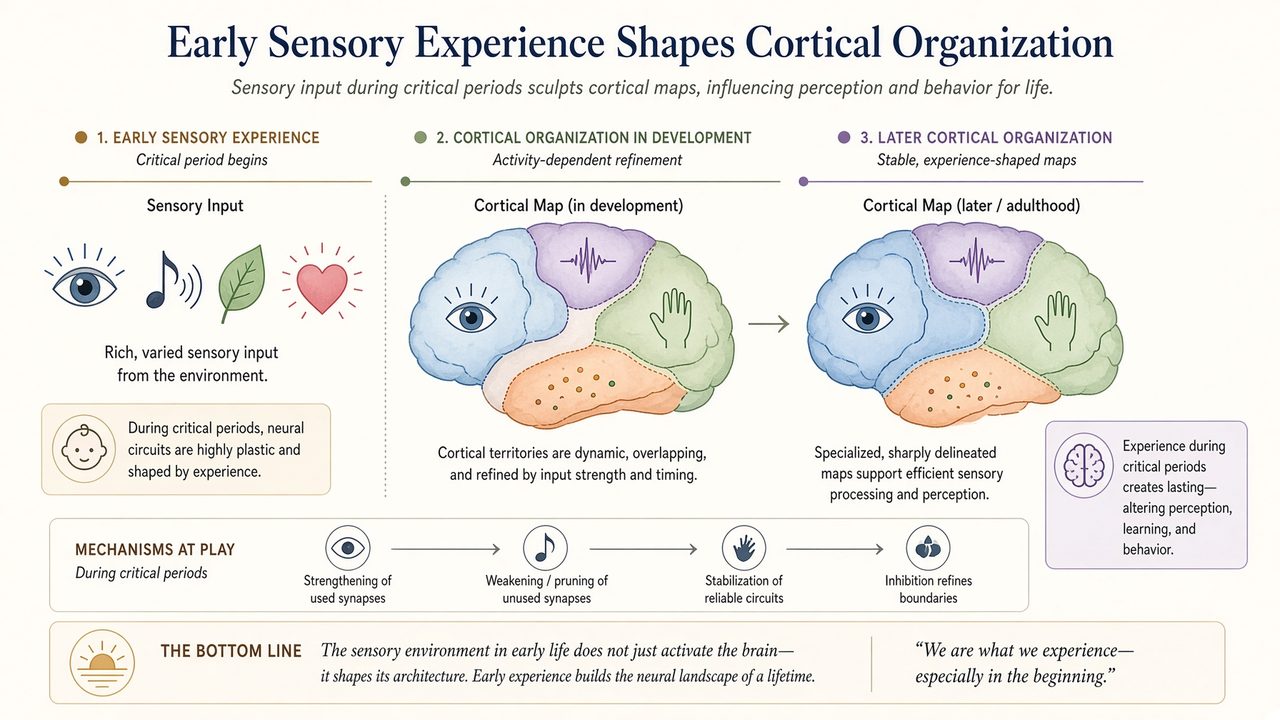
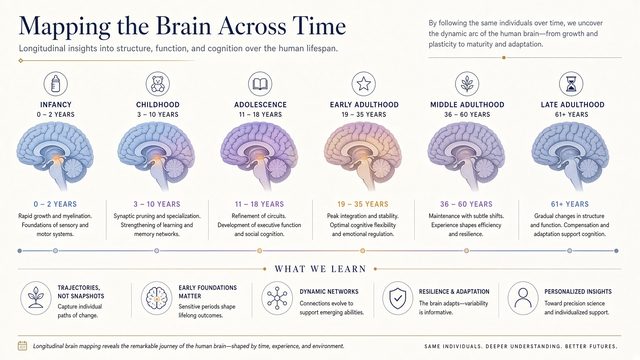
Resilience is the ability to adapt well in the face of adversity, stress or trauma. Children are not simply born resilient or not. Resilience develops through relationships, skills and experiences, and the brain is central to this process.
The science of resilience
The Center on the Developing Child at Harvard describes the single most common factor among resilient children as at least one stable, committed relationship with a supportive adult. Longitudinal research by Emmy Werner on children in Kauai found that many who grew up with multiple risk factors still became competent adults, usually because of caring adults, community support and personal strengths. Stress that is manageable and supported can build coping capacity, which is sometimes called tolerable stress, while overwhelming stress without support is harmful.
Brain systems involved
- Prefrontal circuits for executive function: working memory, flexible thinking and self-control develop through practice and are crucial for coping.
- Stress response systems: supportive caregivers help calm the stress response, teaching the child to regulate.
- Emotion regulation networks: connections between the prefrontal cortex and amygdala allow calming and perspective taking.
- Reward and motivation systems: success experiences build confidence.

Building blocks
- Secure attachment: responding warmly and reliably to a child's needs
- Routines and predictability: regular meals, bedtimes and rituals
- Self-regulation skills: naming feelings, breathing exercises, pause strategies and movement
- Problem solving and autonomy: age-appropriate responsibility
- Optimism and a sense of competence: praising effort and strategy, not just outcomes
- Social connection: friends, mentors, teams and cultural communities
- Physical health: sleep, exercise and nutrition
- Play and creativity
- Meaning and belonging, such as faith, cultural traditions or service
What parents can do
- Be available and attuned. Listen, validate feelings and stay calm during storms.
- Teach skills through modeling. Children learn coping by watching adults.
- Allow safe struggle. Do not remove every obstacle, and help children learn from setbacks.
- Keep connection after discipline.
- Look after your own wellbeing, since caregiver stress affects children.
- Seek help early if a child shows persistent distress.
What schools and communities can do
Schools can provide caring teachers, social and emotional learning programs, mentoring, extracurricular activities and counseling. Community programs, afterschool activities and sports give children belonging and skills.
Resilience is not toughness
Resilience does not mean suppressing feelings or coping alone. Children need support, and some adversity requires adult intervention. Environments should reduce harmful stress where possible.
Signs a child may need more support
Persistent sadness, extreme irritability, loss of interest in friends, major changes in sleep or appetite, or a drop in school performance that lasts weeks can signal that coping skills are overwhelmed. A pediatrician or school counselor can help assess and recommend therapy or other supports.
Teaching specific skills
Simple practices such as slow belly breathing, a feelings chart, a calm-down corner, regular outdoor play and bedtime routines are easy to start. Practicing when calm makes them available during stress. Celebrate effort and recovery from mistakes, which teaches children that setbacks are survivable and temporary.
Takeaway
A resilient brain is built through connection, skill and safe challenge. Adults make the difference.
Further reading from authoritative sources
- National Institute of Mental Health (NIMH)
- National Institute of Neurological Disorders and Stroke (NINDS)
This article is educational and does not replace advice from a licensed clinician. See the medical disclaimer. Looking for specialist care? Browse the neurology clinic directory.