The Neuroscience of Work Environments

Most adults spend a large share of their waking hours at work. The physical and social environment there shapes attention, stress and wellbeing, and so influences brain health.
Physical environment
- Light: daylight exposure is associated with better sleep, mood and alertness. A study by Mohamed Boubekri and colleagues found that office workers with windows slept longer and more soundly, and were more active, than those without. Poor lighting causes eyestrain and headaches.
- Noise: open-plan offices can reduce concentration through background conversation, and studies show that workers in open plans may have lower satisfaction and, in some cases, fewer face-to-face interactions than expected, as shown in a study by Ethan Bernstein and Stephen Turban.
- Air quality and temperature: research by Joseph Allen and colleagues found that better ventilation and lower carbon dioxide were associated with higher scores on cognitive function tests. Very warm or cold rooms impair performance.
- Greenery and views: plants and views of nature can reduce stress and support attention.
- Ergonomics: posture and equipment influence pain and fatigue.
Social and organizational environment
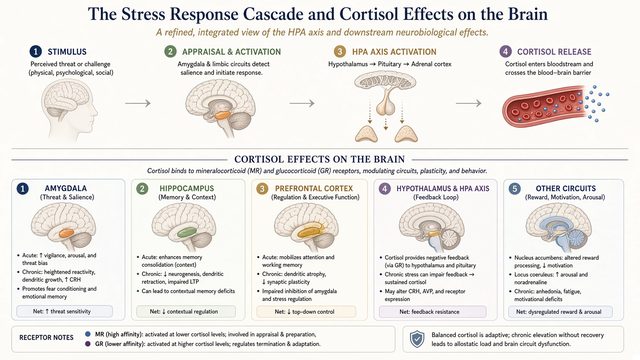
Job strain, as described by Robert Karasek, results from high demands with low control, and is associated with cardiovascular and mental health risks. Autonomy, fair treatment, recognition, manageable workloads and supportive supervisors protect wellbeing. Psychological safety allows people to share ideas and admit mistakes, and supports team learning. Bullying, harassment and long hours harm mental health and sleep.

Attention, interruptions and flow
Frequent interruptions fragment attention and cost time to recover. Protecting blocks for focused work, silencing notifications, and limiting unnecessary meetings help. Opportunities for deep work, in which challenge matches skill, foster the state of flow described by Mihaly Csikszentmihalyi.
Breaks and movement
Prolonged sitting is associated with health risks, and short movement breaks improve mood and focus. Microbreaks, lunch away from the desk and time outdoors support recovery. Studies of the Pomodoro technique and similar work-rest cycles suggest benefits for sustaining attention.
Practical improvements
- Choose spaces suited to tasks: quiet rooms for focus, collaborative areas for teamwork
- Maximize daylight and add plants
- Offer flexible schedules and control over how work is done
- Set norms for meetings, emails and after-hours contact
- Support breaks and movement
- Provide good ergonomics and ventilation
- Train managers in supportive leadership
- Offer mental health resources
- Listen to employees about what works
Individual tips
Arrange your desk near light, use headphones when helpful, schedule your most demanding work for your peak time, take a walk at lunch and set boundaries when leaving work.
Hybrid and shift work
People who work nights or rotating shifts face disrupted circadian rhythms, which affect sleep, mood and metabolism. Bright light during shifts, dark and quiet sleep spaces, consistent sleep windows when possible, and strategic caffeine use help. Employers can design schedules that move forward in time and give adequate recovery between shifts.
Measuring what works
Organizations can track engagement, sick days and feedback surveys, then test small changes, such as quiet hours or flexible start times, before rolling them out widely.
Takeaway
Workplaces can be designed to help the brain do its best. Light, quiet, control and respect make a difference.
Further reading from authoritative sources
- National Institute of Mental Health (NIMH)
- National Institute of Neurological Disorders and Stroke (NINDS)
This article is educational and does not replace advice from a licensed clinician. See the medical disclaimer. Looking for specialist care? Browse the neurology clinic directory.