The Teenage Brain and Risk-Taking
Adolescence is marked by a surge of independence, exploration and, often, risk-taking. Neuroscience offers insights into why. The teenage brain is not broken or immature in a simple sense. It is specialized for a stage of life when seeking new experiences, peers and goals is adaptive.
A brain under renovation
- Synaptic pruning. Connections are refined and unused ones eliminated.
- Myelination. White matter continues to develop, speeding communication between regions.
- Prefrontal maturation. Prefrontal cortex, responsible for planning, impulse control and judgment, develops into the mid-twenties.
- Hormones. Puberty brings changes that influence emotion and social motivation.
The dual systems and maturational imbalance models
Researchers such as Laurence Steinberg and BJ Casey propose that subcortical reward and emotional systems, such as the striatum and amygdala, become highly responsive in early adolescence, while prefrontal control systems mature more gradually. This imbalance helps explain why teens may seek thrills and respond strongly to rewards, even when they understand risks.
Teens are not generally worse than adults at reasoning about risks in calm, "cold" conditions. The difference emerges in "hot" situations involving emotion, excitement or social pressure.
Peers
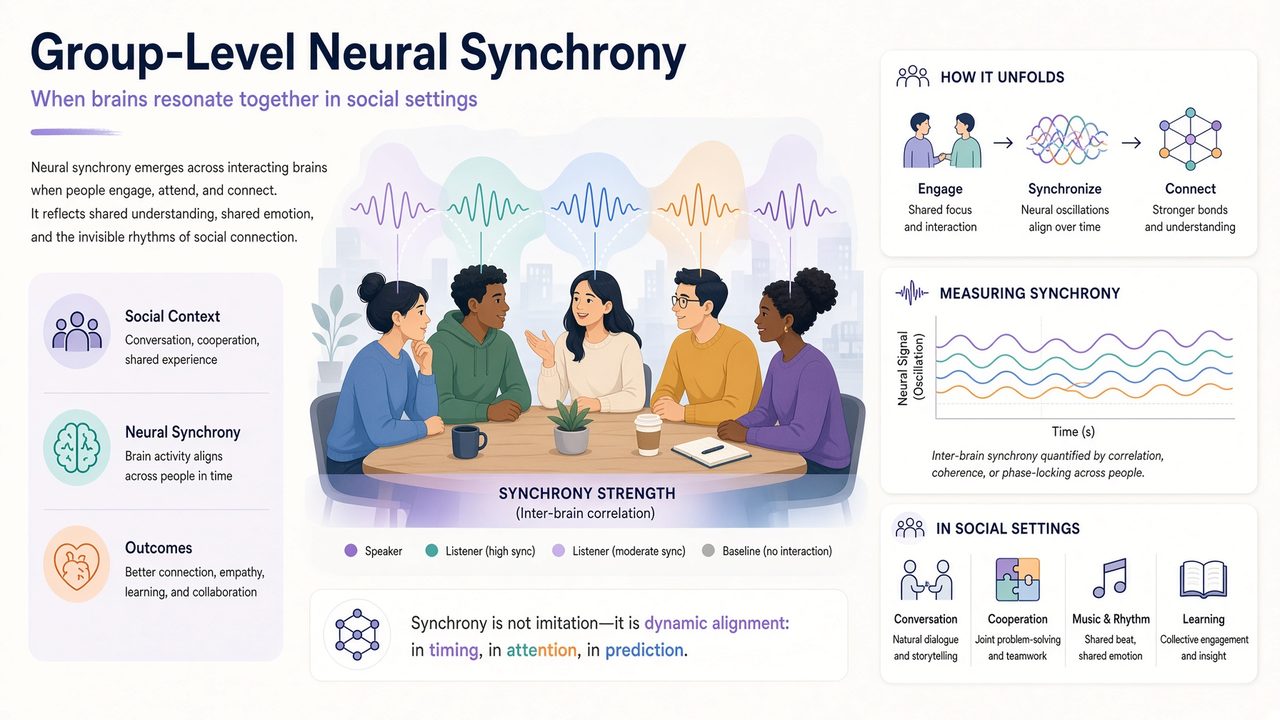
Imaging studies show that the presence of peers increases reward-related activity and risk-taking in teenagers, more than in adults. In a famous driving simulator study, teenagers took more risks when friends were watching. Peer acceptance is highly valued, reflecting the developmental task of building social identity.
Why risk-taking is not all bad
Exploration and risk are part of learning independence, forming identity, trying new skills and forming relationships. Positive risks include trying out for a team, speaking up, starting a business or traveling. The teenage brain's heightened plasticity makes it a time of rapid learning, and a time when experiences have lasting impact.
Risky behaviors
Adolescence is also when risks such as reckless driving, substance use, unsafe sex and self-harm increase, and when many mental health conditions emerge. Substance use during adolescence may affect brain development, and earlier initiation raises the risk of addiction. Sleep deprivation, common in teens due to delayed circadian rhythms, impairs judgment and mood.
Sleep
Teen body clocks shift later, so early school starts can cause chronic sleep loss. Studies show that later school start times improve sleep, mood and academic outcomes, according to pediatric and sleep organizations.
Supporting teens
1. Stay connected. A warm relationship remains protective. 2. Set clear expectations and consistent limits, explained respectfully. 3. Provide safe outlets for risk and challenge, such as sports, arts, outdoor adventures and leadership roles. 4. Teach decision-making skills and discuss consequences calmly. 5. Model good behavior. 6. Support sleep. 7. Monitor with respect, knowing who they are with and where. 8. Talk about substances, sex, driving and online safety openly. 9. Be alert to mental health changes such as persistent sadness, withdrawal or talk of self-harm. In the U.S., teens can reach the 988 Suicide and Crisis Lifeline by call or text.
Cautions about the science
Brain imaging findings are group averages with considerable overlap between ages, and cannot be used to judge any individual teenager. Culture, environment and experience shape behavior. Some researchers caution against portraying teenagers as impaired.
Bottom line
Teenage risk-taking reflects a brain tuned for exploration and social learning. With support, boundaries and opportunities, most teens navigate this period successfully.
Further reading from authoritative sources
- National Institute of Mental Health (NIMH)
- National Institute of Neurological Disorders and Stroke (NINDS)
This article is educational and does not replace advice from a licensed clinician. See the medical disclaimer. Looking for specialist care? Browse the neurology clinic directory.