How the Brain Ages: Normal Changes and What to Expect
From our thirties onward the brain slowly changes. Some changes are universal and harmless, while others signal disease. Knowing the difference can reduce unnecessary fear and help you recognize when to seek help.
What changes in the aging brain
Structure
Brain volume gradually declines with age, especially in the prefrontal cortex and hippocampus. Neurons do not die in the massive numbers once believed; instead, they often shrink, lose some connections, and white-matter pathways may become less efficient. Small areas of damage to the brain's blood vessels, seen on MRI as white-matter hyperintensities, become more common.
Chemistry
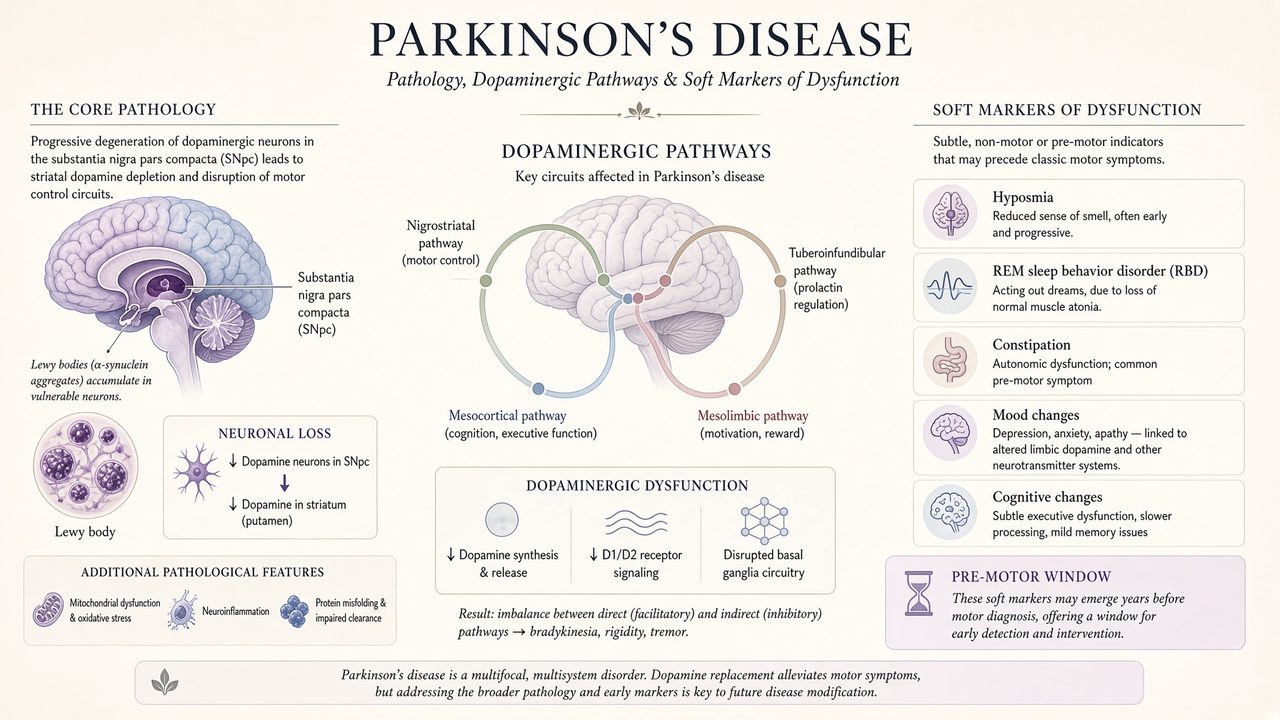
Production of some neurotransmitters, notably dopamine, declines with age. This is thought to contribute to slower movement and changes in attention and processing speed.
Compensation
Older adults often recruit additional brain regions to perform tasks that younger people do with a more focused pattern, an adaptation that helps preserve performance.
What typically changes in thinking
- Processing speed slows, so tasks may take longer.
- Working memory and multitasking become a bit harder.
- Recalling names and words can become more difficult, with the familiar "tip of the tongue" experience becoming more frequent.
- Learning new information may require more repetition.
What stays the same or improves
- Vocabulary and general knowledge (crystallized intelligence) are generally maintained and may keep growing.
- Emotional regulation often improves, and many older adults report greater well-being and emotional stability.
- Expertise and judgment built over a lifetime remain strong.
Normal aging versus a warning sign
Here are some contrasts that can help:
- Normal: occasionally forgetting a name and remembering it later. Concerning: forgetting recently learned information repeatedly or asking the same question again and again.
- Normal: needing a reminder for an appointment. Concerning: getting lost in familiar places.
- Normal: making an occasional error balancing a checkbook. Concerning: persistent trouble managing bills or following a recipe you know well.
- Normal: pausing to find a word. Concerning: frequently substituting wrong words or losing the thread of conversation.
Factors that influence how well the brain ages
A major international commission on dementia prevention has estimated that about 14 modifiable risk factors together account for roughly 45 percent of dementia cases worldwide. They include:
- High blood pressure
- Hearing loss
- High LDL cholesterol
- Depression
- Traumatic brain injury
- Physical inactivity
- Diabetes
- Smoking
- Excessive alcohol
- Obesity
- Social isolation
- Air pollution
- Less education in early life
- Untreated vision loss
Genetics also play a role, but lifestyle and health management have a considerable influence.
Habits associated with healthier brain aging
1. Stay physically active, combining aerobic and strength activities. 2. Eat a heart-healthy diet with plenty of plants. 3. Protect your sleep and treat sleep apnea. 4. Manage blood pressure, cholesterol and blood sugar. 5. Address hearing and vision problems. Hearing aids and glasses support cognition and engagement. 6. Stay socially connected. 7. Keep learning, through new skills, hobbies, reading or classes. 8. Protect your head with seat belts and helmets. 9. Avoid tobacco and limit alcohol. 10. Seek help for depression.
Cognitive reserve
People with more education, complex jobs and engaged lifestyles often tolerate the same amount of brain pathology with fewer symptoms, a concept called cognitive reserve. It is never too late to build reserve by learning and staying engaged.
When to see a doctor
If you or someone close to you notices changes that are persistent, progressive or interfering with daily activities, see a healthcare professional. Many causes, such as medication side effects, thyroid disease, vitamin B12 deficiency, depression, sleep apnea and infections, are treatable.
Further reading from authoritative sources
This article is educational and does not replace advice from a licensed clinician. See the medical disclaimer. Looking for specialist care? Browse the neurology clinic directory.