Cognitive Decline vs. Dementia: Understanding the Difference
"Cognitive decline," "mild cognitive impairment" and "dementia" are often used interchangeably, but they describe different levels of change. Understanding the distinctions can help you know what to expect and what questions to ask a doctor.
A spectrum of change
Normal age-related change
Mild slowing of thinking speed and occasional lapses with names or words are common and do not impair independence.
Subjective cognitive decline
Some people notice changes in their memory or thinking that are not detected by standard testing. This can sometimes be an early sign of later impairment, but often it is related to stress, poor sleep, depression or anxiety.
Mild cognitive impairment (MCI)
In MCI, there is a measurable decline in memory or other thinking skills beyond what is expected for age and education, but daily activities remain largely independent. Some people with MCI go on to develop dementia, while others remain stable or even improve, particularly when a reversible cause is addressed. Studies suggest that a significant minority progress to dementia over a few years.
Dementia
Dementia involves decline in one or more cognitive domains, such as memory, language, reasoning, attention or visuospatial skills, that is significant enough to interfere with independence in everyday activities such as managing finances, medications or driving.
Common causes of dementia
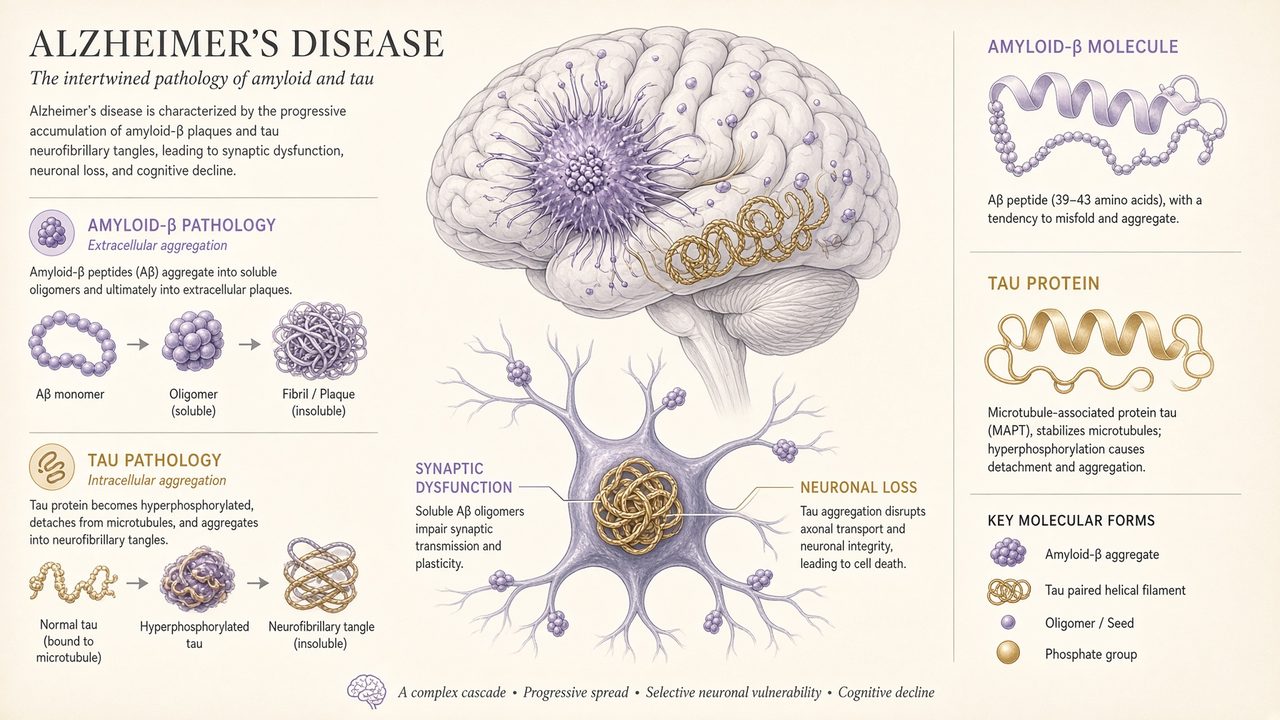
- Alzheimer's disease is the most common cause, accounting for the majority of cases.
- Vascular dementia results from damage to brain blood vessels, such as strokes or small-vessel disease.
- Lewy body dementia involves abnormal deposits of alpha-synuclein protein and often features fluctuating alertness, visual hallucinations and movement symptoms.
- Frontotemporal dementia primarily affects behavior, personality or language and tends to occur at younger ages.
- Mixed dementia, with more than one cause, is common in older adults.

Conditions that can mimic or worsen cognitive decline
Some causes are reversible or partly treatable, so a proper evaluation matters:
- Vitamin B12 deficiency
- Thyroid disease
- Depression
- Medication side effects, especially from sedatives, anticholinergic drugs and some combinations of medications
- Sleep apnea
- Hearing or vision loss
- Normal pressure hydrocephalus
- Infections, delirium and metabolic disturbances
- Alcohol-related problems
- Subdural hematoma after a head injury
How doctors evaluate memory concerns
A thorough evaluation often includes:
1. History from the person and a family member or close friend 2. Cognitive screening tests and sometimes detailed neuropsychological testing 3. Physical and neurological examination 4. Blood tests to look for treatable causes 5. Brain imaging such as MRI or CT 6. Further tests in selected cases, such as spinal fluid or PET studies, or newer blood biomarkers
Why early evaluation matters
Early diagnosis allows treatable causes to be addressed, gives access to medications and clinical trials, and helps families plan for the future, including legal, financial and safety decisions. It also allows people to participate in decisions about their own care.
What can help
For people with MCI or dementia, evidence supports:
- Regular physical activity
- Managing blood pressure, diabetes and cholesterol
- Treating depression and sleep problems
- Social and cognitively stimulating activities
- Hearing and vision correction
- Reviewing medications with a clinician
Support for families
Caring for someone with cognitive decline can be demanding. Support groups, respite care and education programs can make a big difference. National organizations offer helplines and local resources.
The bottom line
Not all memory change is dementia, and not all dementia is Alzheimer's disease. If you or a loved one is worried, an evaluation is the best next step. The sooner the cause is identified, the more options are available.
Further reading from authoritative sources
This article is educational and does not replace advice from a licensed clinician. See the medical disclaimer. Looking for specialist care? Browse the neurology clinic directory.