Chronic Pain and the Brain: The Sensitized Nervous System
Pain is meant to protect us. After an injury heals, it should fade. In chronic pain, which lasts beyond about three months, pain persists or recurs, often without ongoing tissue damage. Modern pain science shows that in many people the nervous system itself has become sensitized.
Pain is produced by the brain
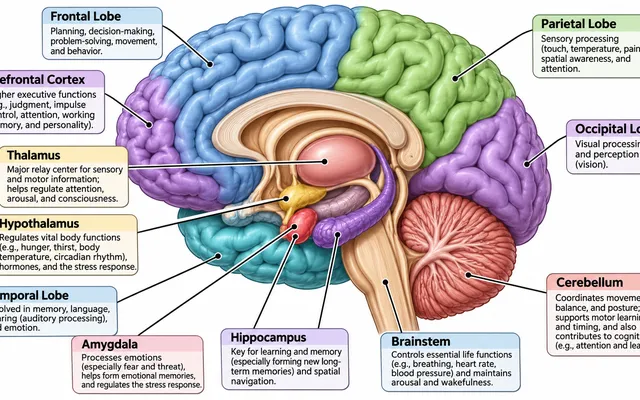
Pain is not a direct readout of tissue injury. Nociceptors detect potentially harmful stimuli and send signals through the spinal cord to the brain, where the experience of pain is constructed. Brain regions are involved in:
- Sensory features, such as location and intensity (somatosensory cortex)
- Emotional features, such as unpleasantness (anterior cingulate cortex and insula)
- Evaluation and meaning (prefrontal cortex)
- Threat and fear (amygdala)
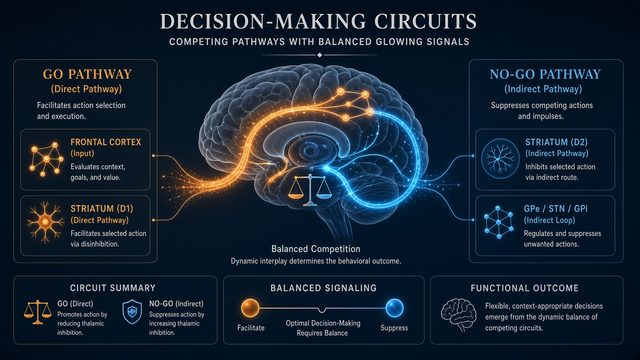
- Modulation, through descending pathways from the brainstem
The brain can turn pain signals up or down. This explains why soldiers in battle may not notice injuries, and why anxiety and attention can make pain worse.
Central sensitization
With persistent input, neurons in the spinal cord and brain can become hyperexcitable. Changes include enhanced glutamate signaling, reduced inhibition and activation of glial cells. The result is hyperalgesia, exaggerated pain from painful stimuli, and allodynia, pain from normally harmless stimuli such as light touch. Pain may spread beyond the original site.
Brain changes
Imaging studies show that people with chronic pain have altered activity and connectivity, with greater involvement of emotion-related networks over time and sometimes changes in gray matter in regions such as the prefrontal cortex. Many changes appear reversible when pain is relieved, for example after hip replacement for arthritis. Researchers debate cause and effect.
Psychological and social factors
- Fear and avoidance. Fear of movement and avoidance can lead to deconditioning and more pain.
- Catastrophizing, or expecting the worst, amplifies pain.
- Stress, depression, anxiety and trauma are linked with pain intensity.
- Poor sleep reduces pain thresholds.
- Social context, including support, work and finances, shapes pain.
This biopsychosocial model explains why treatments addressing mind and lifestyle work.
Treatments with evidence
- Education. Pain neuroscience education, which explains that persistent pain does not always mean ongoing damage, can reduce fear and improve function.
- Exercise and graded activity, one of the most consistently effective treatments, including walking, strength training, tai chi and yoga.
- Cognitive behavioral therapy and acceptance and commitment therapy, which help people change responses to pain.
- Mindfulness-based stress reduction, shown to reduce pain interference.
- Sleep improvement.
- Medications, such as antidepressants (duloxetine, amitriptyline) and anticonvulsants (gabapentin, pregabalin) for nerve pain, and sometimes short-term anti-inflammatories. Opioids have limited long-term benefit and carry risks of dependence and overdose, so guidelines advise caution.
- Interventional and neuromodulation therapies, including nerve blocks, spinal cord stimulation and TMS, in selected cases.
- Biofeedback, which helps reduce muscle tension and arousal.
- Multidisciplinary pain programs, combining several approaches, often achieve the best results.
What you can do
1. Get a thorough evaluation to rule out serious causes. 2. Stay as active as possible, increasing gradually. 3. Prioritize sleep. 4. Learn relaxation and mindfulness skills. 5. Stay socially connected and engaged in valued activities. 6. Set goals based on function, not only pain scores. 7. Work with a team, including physicians, physical therapists and psychologists.
Seek care urgently if
Pain follows an injury with new weakness, numbness, loss of bladder or bowel control, fever, unexplained weight loss or if you have thoughts of self-harm.
Hope
Understanding that the nervous system can become sensitized also means it can be retrained. Many people reduce their pain and regain function with an active, multi-pronged approach.
Further reading from authoritative sources
This article is educational and does not replace advice from a licensed clinician. See the medical disclaimer. Looking for specialist care? Browse the neurology clinic directory.