Ketamine Therapy for Depression: A Brain-Based Approach
Ketamine, long used as an anesthetic, has become an important option for treatment-resistant depression. Unlike conventional antidepressants that take weeks to act, ketamine can reduce symptoms within hours.
A new mechanism
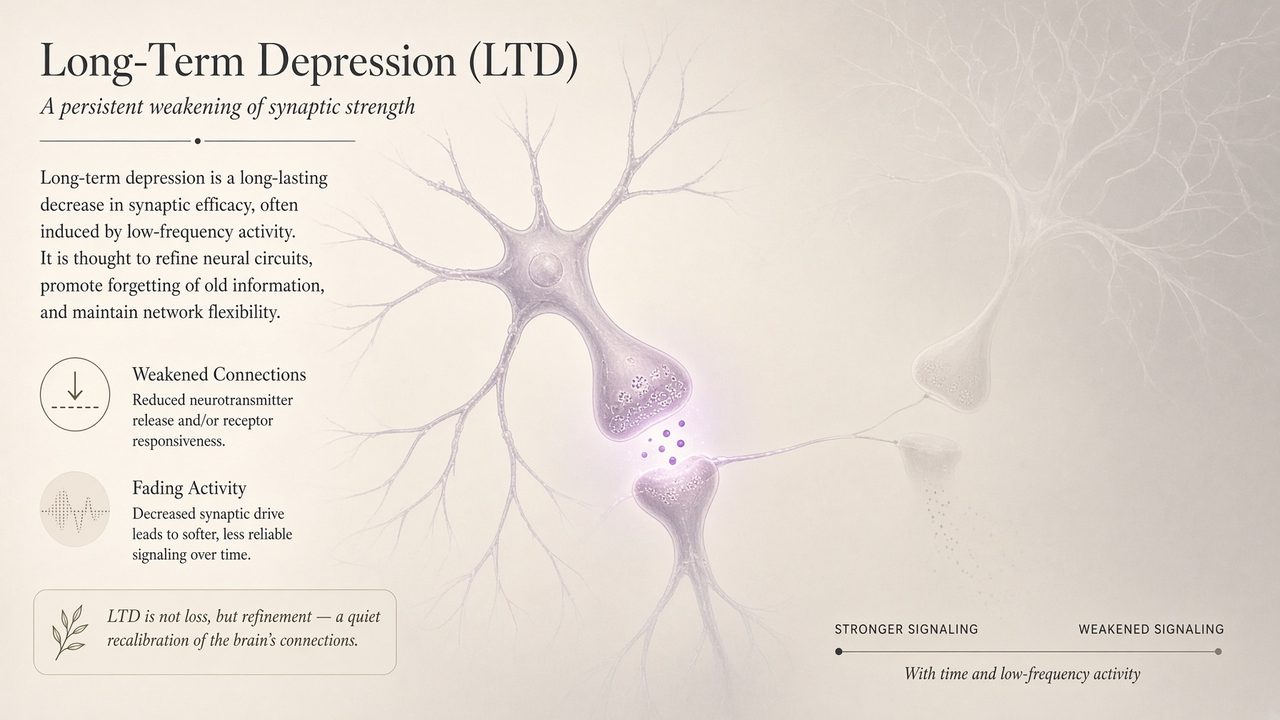
Traditional antidepressants increase serotonin or norepinephrine. In 2000, Robert Berman, John Krystal and colleagues reported that a single low dose of intravenous ketamine rapidly relieved depression. Ketamine blocks NMDA-type glutamate receptors, leading to a surge of glutamate release, activation of AMPA receptors and signaling by brain-derived neurotrophic factor and the mTOR pathway. Ron Duman and George Aghajanian showed that this increases synaptic connections in the prefrontal cortex in animal studies, which may reverse the loss of synapses caused by chronic stress. Other mechanisms, such as effects on opioid systems or on the habenula, are being investigated. The role of dissociation in the antidepressant effect is debated.
Evidence
Randomized trials show that intravenous ketamine, at about 0.5 milligrams per kilogram, relieves symptoms in many people with treatment-resistant depression within 24 hours, including reducing suicidal thoughts, though effects usually fade within days to a week or so. Repeated dosing can extend benefit. Esketamine, a nasal spray version of one ketamine mirror-image molecule, was approved by the U.S. Food and Drug Administration in 2019 for treatment-resistant depression, used with an oral antidepressant, and for depression with acute suicidal ideation in 2020. A head-to-head trial, in which ketamine was compared with electroconvulsive therapy by Amit Anand and colleagues, found ketamine noninferior in some measures, and the ELEKT-D trial in 2023 suggested ketamine was noninferior to ECT for response in severe depression. Long-term effectiveness and safety data are still emerging.
How treatment is delivered
- Esketamine nasal spray: given in certified clinics, with observation for at least two hours
- Intravenous ketamine: an off-label infusion, usually over 40 minutes, in a medically monitored setting
- Other formulations: oral, intramuscular and sublingual forms have been used, with less evidence
- Course of treatment: typically twice weekly for several weeks, then less often
Side effects and risks
- Dissociation, feeling detached, and perceptual changes during and shortly after dosing
- Elevated blood pressure and heart rate
- Nausea, dizziness and drowsiness
- Misuse potential: ketamine is a controlled substance with abuse risk, and long-term heavy use can damage the bladder and cause cognitive problems.
- Not for everyone: caution in people with uncontrolled hypertension, psychosis, or substance use disorder.
- Unregulated clinics and at-home products raise safety concerns, and the U.S. Food and Drug Administration has warned about compounded ketamine products.
Who may benefit
People with major depression that has not responded to two or more antidepressants, or who are acutely suicidal, may be candidates. Discuss alternatives, including psychotherapy, other medications, transcranial magnetic stimulation and electroconvulsive therapy, with a psychiatrist.
Safety
Do not drive on treatment days. If you are in crisis or have thoughts of self-harm, call or text 988 in the United States, or contact emergency services.
Takeaway
Ketamine reveals that the brain can change quickly. It is a valuable option for hard-to-treat depression, used best under careful medical oversight.
Further reading from authoritative sources
This article is educational and does not replace advice from a licensed clinician. See the medical disclaimer. Looking for specialist care? Browse the neurology clinic directory.