The Brain and Chronic Fatigue Syndrome

Myalgic encephalomyelitis, also called chronic fatigue syndrome and abbreviated ME/CFS, is a serious, long-term illness that causes profound fatigue not relieved by rest, along with problems thinking and concentrating, unrefreshing sleep and a hallmark worsening of symptoms after exertion. Estimates suggest that it affects about 0.2 to 1 percent of people, and women more than men.
Symptoms
- Post-exertional malaise: worsening of symptoms hours to days after physical, mental or emotional effort, often lasting days or weeks
- Severe fatigue that substantially reduces activity
- Unrefreshing sleep and other sleep disturbances
- Cognitive problems: slowed thinking, memory difficulty, trouble finding words and concentrating, often called brain fog
- Orthostatic intolerance: dizziness or rapid heart rate on standing
- Pain, headaches, sore throat, tender lymph nodes, sensitivity to light, noise or chemicals
Severity ranges from mild to bedbound, and many people lose the ability to work or study.
What research shows about the brain and body
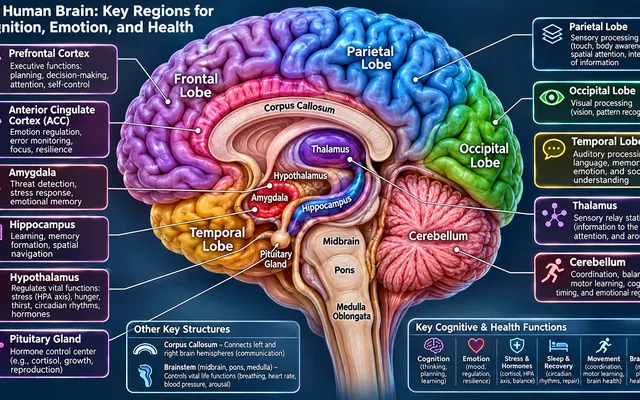
- Brain imaging: studies using magnetic resonance imaging and positron emission tomography have found altered brain activity, reduced blood flow in some regions, and signs of neuroinflammation in some patients, though findings are inconsistent. Exercise studies by Michael VanElzakker and others suggest altered brain responses to effort.
- Immune system: abnormalities in immune signaling and cell function, observed in some research, such as a study by Mady Hornig and colleagues, which found different cytokine patterns in early disease.
- Energy metabolism: differences in mitochondrial function and metabolism are reported.
- Autonomic nervous system: problems regulating heart rate and blood pressure
- Triggers: many cases start after an infection, such as Epstein-Barr virus, and other triggers include surgery and trauma. Long COVID shares features with ME/CFS, and research on long COVID is increasing interest in infection-associated chronic conditions.
- Genetics and risk factors: are being studied.
A 2015 report from the U.S. National Academy of Medicine concluded that ME/CFS is a serious, chronic, complex, systemic disease, and proposed diagnostic criteria. No single test can confirm it, so diagnosis relies on clinical evaluation and excluding other conditions.

Management
- Pacing: keeping activity within available energy to avoid crashes, using tools such as heart rate monitoring and activity planning. Pushing through symptoms can worsen them.
- Symptom treatment: managing sleep problems, pain, orthostatic intolerance and mood with medication or other approaches
- Cognitive aids: lists, calendars, rest breaks
- Supportive therapy: counseling to cope with loss and uncertainty. Cognitive behavioral therapy may help coping, though it is not a cure, and graded exercise therapy is no longer recommended in some guidelines, such as those from the National Institute for Health and Care Excellence in the United Kingdom in 2021, because it can worsen symptoms for many people.
- Accommodations: work, school and home adjustments
- Support groups and advocacy
- Research participation
Finding care
Look for clinicians who recognize the condition and take it seriously. Many patients experience skepticism, so keep records of symptoms, and bring supportive resources from the Centers for Disease Control and Prevention or advocacy groups.
Takeaway
ME/CFS is real and disabling. Careful pacing, symptom care and compassionate support make daily life more manageable while research continues.
Further reading from authoritative sources
This article is educational and does not replace advice from a licensed clinician. See the medical disclaimer. Looking for specialist care? Browse the neurology clinic directory.