Biofeedback and Health Equity: Expanding Access
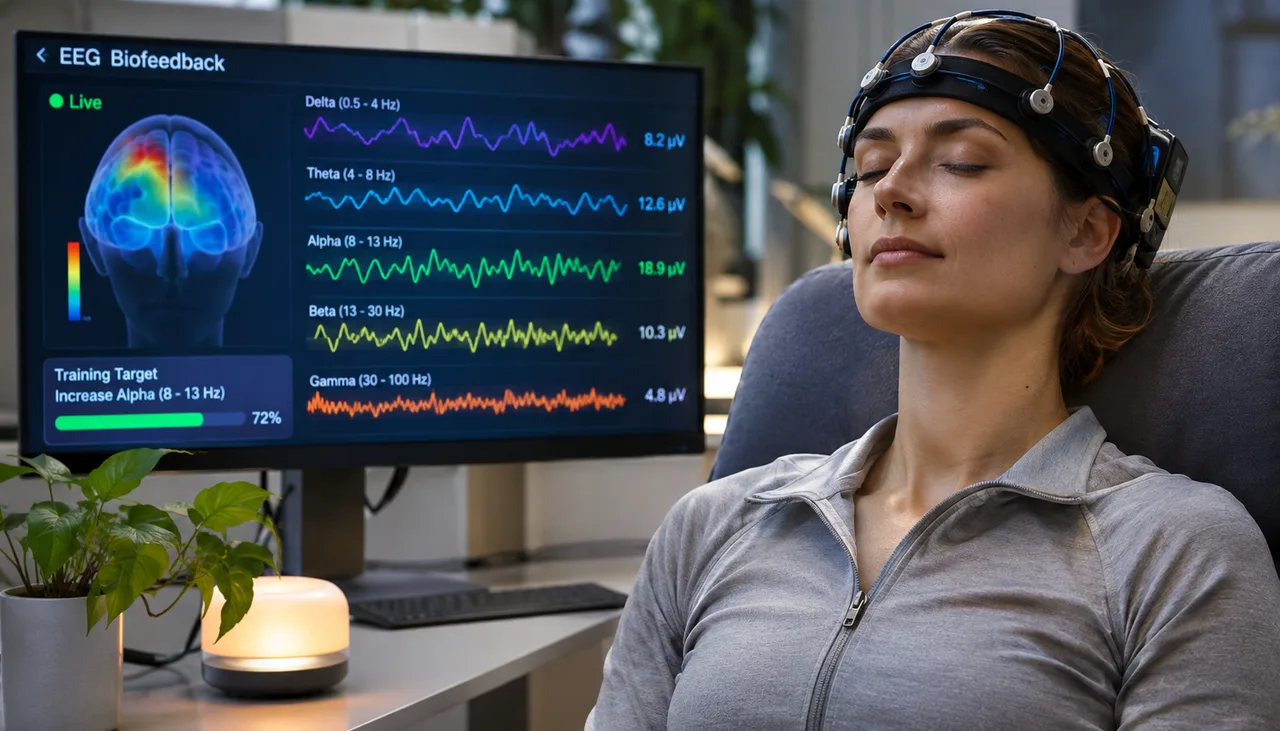
Biofeedback is a safe, drug-free approach that can help with pain, anxiety, incontinence and other conditions, but many people who might benefit never get it. Equity means making effective training available fairly.
Barriers
- Cost and insurance: Sessions can be expensive, and coverage varies. Some biofeedback, such as for urinary incontinence and certain pelvic floor problems, is often covered, while neurofeedback for ADHD or anxiety is often not covered and paid out of pocket.
- Few providers: Certified practitioners cluster in cities, and rural communities may have none within a long drive.
- Time and transport: Training usually involves repeated visits, which is hard for people with inflexible jobs, caregiving duties or no transport.
- Awareness: Many patients and clinicians do not know about biofeedback, or the evidence for it.
- Cultural and language fit: Materials and coaching may not suit different languages, literacy levels and beliefs.
- Equipment and technology: Home devices and apps require money, smartphones and internet.
- Skin and hair differences: Some sensors, such as pulse oximeters and optical heart rate sensors, can be less accurate on darker skin, a recognized problem in pulse oximetry, and EEG caps can work poorly with some hair types, which can affect data quality and comfort unless designs are improved.
- Research gaps: Trials often include limited groups, so evidence may not generalize.
Solutions
- Telehealth biofeedback: Remote coaching with home devices has been tested for headache, hypertension, pelvic floor therapy and anxiety.
- Low-cost tools: heart rate variability apps with chest straps, simple temperature trainers, and breathing pacers can teach core skills at low cost, with guidance from a clinician.
- Group sessions and community programs in clinics, schools, veterans' programs and community health centers
- Training of nurses, physical therapists and community health workers to deliver basic biofeedback, with supervision
- Insurance and policy: advocating for coverage where evidence is strong, and for payment of remote services
- Integration into primary care and pain clinics
- Culturally adapted programs: translated materials, trusted messengers and respect for beliefs
- Inclusive device design and testing: sensors validated on diverse skin tones, hair types and bodies
- Representation in research and community advisory input

Finding care
Look for providers certified by the Biofeedback Certification International Alliance, ask about sliding scale fees, check university training clinics and community health centers, ask whether your insurance covers the service, and consider supervised home practice.
Measuring progress
Programs can track who is referred, who starts, who completes training and who benefits, by language, income, age, race and location, and then adjust outreach where gaps appear. Partnerships with schools, faith communities, veterans' organizations and primary care clinics bring training to where people already are. Funding for equipment loan libraries, free community classes and training grants for local practitioners can lower costs. Clear, honest information about what biofeedback can and cannot do protects people with limited resources from overpriced or unproven offerings.
Takeaway
A useful therapy should reach everyone who can benefit. Lower costs, better technology and community partnerships will help.
Further reading from authoritative sources
- National Institute of Neurological Disorders and Stroke (NINDS)
- National Institute of Mental Health (NIMH)
- National Center for Complementary and Integrative Health (NCCIH)
This article is educational and does not replace advice from a licensed clinician. See the medical disclaimer. Looking for specialist care? Browse the neurology clinic directory.