The Ethics of Animal Research in Neuroscience
Much of what we know about how the brain works and how diseases develop came from research on animals, from fruit flies and mice to monkeys. The use of animals also raises serious moral questions, and neuroscientists, ethicists and the public continue to debate where lines should be drawn.
Why animals are used
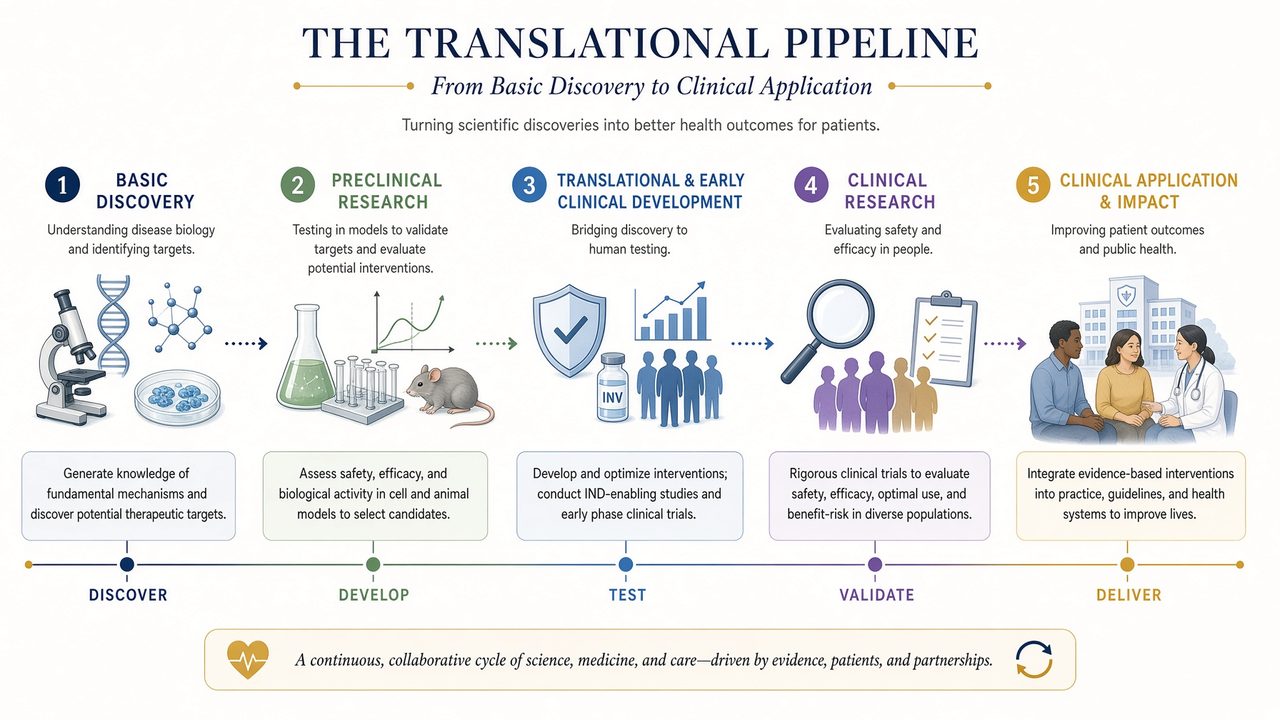
Brains are complex systems that cannot yet be fully studied in cell cultures or computers. Animal models allow experiments that are impossible in people, such as controlling genes, recording from single neurons, and examining tissue. Findings from animals contributed to treatments such as deep brain stimulation for Parkinson's disease, which was developed with work in monkeys, vaccines, anti-seizure medicines, understanding of vision, and brain-computer interfaces. Mice and rats are used most often, and nonhuman primates are used for questions that need brains more similar to ours, such as cognition and complex behavior. Not all animal research translates, and many drugs that work in mice fail in humans, a problem that has frustrated efforts for Alzheimer's disease, which has stimulated discussion about better models.
The ethical issues
- Animal suffering: animals can feel pain, fear and distress, and many scientists agree that sentient animals have moral status. Procedures can involve surgery, restraint, water restriction, isolation, disease induction or euthanasia.
- Cognitive and emotional complexity: primates, rodents and others show social, emotional and cognitive abilities, which raises more serious questions for species closest to humans. Many countries restrict or ban research on great apes. The European Union restricts research on nonhuman primates, and the National Institutes of Health ended its support for chimpanzee research in 2015.
- Benefit versus harm: the justification rests on whether the knowledge gained is likely to be important, and whether it can be gained in other ways. Critics argue that some studies have limited value.
- Moral perspectives: views range from utilitarian approaches, which weigh benefits and harms, to animal rights positions, such as those advanced by Tom Regan, who argued that animals have inherent rights, and Peter Singer, who argued for equal consideration of interests. Others emphasize the special moral status of humans.
- Transparency and public trust: historically, some research was hidden, and openness has increased, as in initiatives such as the Concordat on Openness on Animal Research in the United Kingdom.

The 3Rs
William Russell and Rex Burch proposed in 1959 a framework that now guides animal research law:
- Replacement: using non-animal methods, such as cell cultures, organoids, computer models and human imaging, when possible
- Reduction: using the smallest number of animals needed for valid results, through good experimental design and sharing data
- Refinement: minimizing pain and distress, improving housing, using anesthesia and analgesia, and training animals with positive reinforcement
Oversight
In the United States, institutional animal care and use committees review protocols, and the Animal Welfare Act and Public Health Service policy apply. The United Kingdom's Animals (Scientific Procedures) Act requires licensing and harm-benefit analysis, and the European Union has Directive 2010/63. Guidelines such as ARRIVE promote better reporting. Compliance and inspection vary across countries.
Alternatives and the future
Organoids, human induced pluripotent stem cells, advanced imaging, computational modeling and microphysiological chips can complement animal work. In 2022 the United States passed legislation removing the requirement for animal testing for new drugs, which allows alternatives. Researchers still argue that animals remain necessary for studying whole-brain function and behavior for now.
Questions to consider
- Is the research question important, and can it be answered without animals?
- Is the species the least sentient that suits the question?
- Are suffering and numbers minimized, with humane endpoints?
- Is the work transparent and independently reviewed?
- Are results shared to avoid repetition?
Takeaway
Animal research is a morally serious choice. Rigor, humane practice and continued investment in alternatives are part of ethical neuroscience.
Further reading from authoritative sources
- National Institute of Neurological Disorders and Stroke (NINDS)
- National Institute of Mental Health (NIMH)
This article is educational and does not replace advice from a licensed clinician. See the medical disclaimer. Looking for specialist care? Browse the neurology clinic directory.