The Ethics of Human Brain Research
Studies of human brains, from imaging and stimulation to surgery and drug trials, bring hope for better treatment. They also involve risks, privacy concerns and questions about vulnerable people.
The foundations
Modern research ethics grew from historical abuses, including the Nazi medical experiments, which led to the Nuremberg Code in 1947, and the Tuskegee syphilis study in the United States, which led to the Belmont Report in 1979. The Declaration of Helsinki sets standards for medical research. The Belmont principles are respect for persons, beneficence and justice. Institutional review boards or research ethics committees review studies before they start.
Special issues in brain research
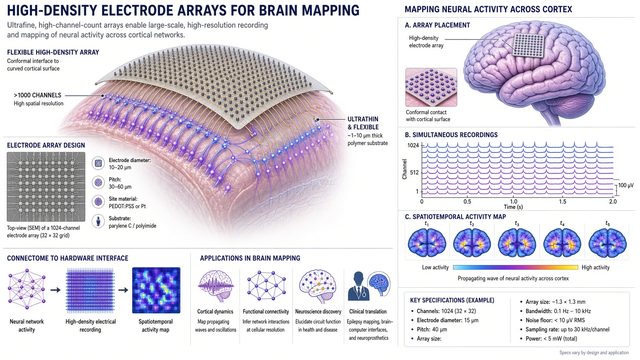
- Risk of the procedure: magnetic resonance imaging is generally safe, but brain stimulation can cause headaches and, rarely, seizures. Invasive studies, such as implanting electrodes in epilepsy patients who agree to additional recordings, or in clinical trials of brain-computer interfaces, carry surgical risks.
- Incidental findings: brain scans in healthy volunteers sometimes reveal unexpected abnormalities, in a small but notable percentage of participants. Studies need plans for deciding when and how to inform participants and refer them to care, with discussion of the harm of false alarms.
- Privacy and identification: brain images can be reconstructed into faces, unless the face is removed, and genetic and neural data may identify people. Sharing data requires de-identification and governance, balanced with open science.
- Mental privacy: emerging decoding technologies could reveal thoughts or preferences.
- Mental states and consent capacity: people with dementia, severe mental illness, brain injury or disorders of consciousness may have limited capacity to consent, and need additional protections such as assessment of capacity, assent, surrogate decision-makers and advance directives.
- Therapeutic misconception: participants may think trials will treat them directly, though research aims to produce knowledge. Clear communication is essential.
- Placebo and sham controls: sham surgery or sham stimulation in trials, such as in Parkinson's disease cell therapy studies, raises questions of risk without benefit, and must be justified.
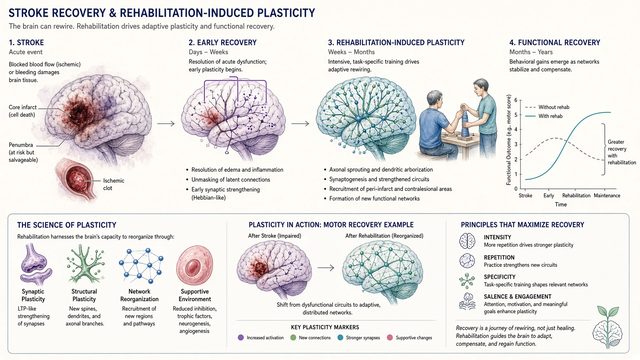
- Deep brain stimulation and implants: questions of personality change, device ownership, long-term follow-up and what happens when trials end. Companies have abandoned participants who still depend on devices, which is considered unacceptable.
- Children and adolescents: consent by parents, with assent from the child, and extra caution
- Psychedelics, stimulation and cognitive enhancement studies
- Compensation: payment should not be so high as to induce undue risk-taking.
- Fair access and inclusion: many trials have underrepresented women, older adults and people from diverse communities. Justice requires fair selection and sharing of benefits.
- Dual use and misuse

Safeguards
- Independent ethics review
- Informed consent that is a process, not a form
- Data monitoring committees for trials
- Clear stopping rules
- Transparency: trial registration and publication of results, including negative ones
- Long-term care plans for implants
- Community engagement
Neuroethics
The field of neuroethics, advanced by Judy Illes, Martha Farah, Adina Roskies and others, examines such issues. International efforts, such as the OECD Recommendation on Responsible Innovation in Neurotechnology and the UNESCO work on ethics of neurotechnology, aim to guide practice.
For participants
Ask about risks, benefits, alternatives, costs, who will see your data, what happens if you are injured, and how to withdraw. You may stop at any time.
Takeaway
Respect, honesty and fairness make brain research trustworthy. Participants are partners, not subjects.
Further reading from authoritative sources
- National Institute of Neurological Disorders and Stroke (NINDS)
- National Institute of Mental Health (NIMH)
This article is educational and does not replace advice from a licensed clinician. See the medical disclaimer. Looking for specialist care? Browse the neurology clinic directory.