The Ethics of Memory Modification
Memory defines who we are, and some memories bring suffering. Research suggests that memories are not fixed, and that they can be modified, which raises ethical as well as clinical questions.
The science
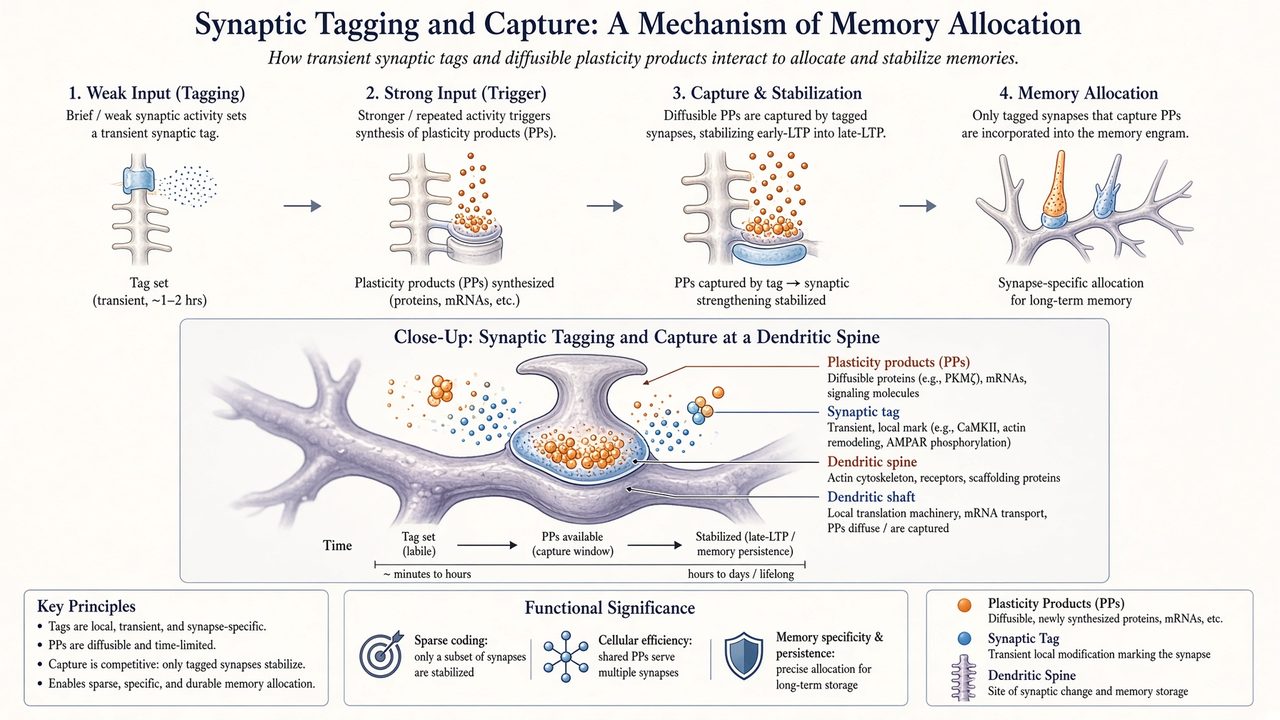
When a memory is recalled, it becomes temporarily unstable and must be stored again, a process called reconsolidation, demonstrated in animals by Karim Nader, Glenn Schafe and Joseph LeDoux. Blocking protein synthesis or adrenaline signaling during this window can weaken the emotional force of a memory. In humans, Alain Brunet and colleagues reported that people with post-traumatic stress disorder who took propranolol, a beta-blocker, while recalling their trauma, had reduced symptoms in follow-up, although results across trials are mixed. Marijn Kindt and colleagues showed that propranolol reduced fear responses to previously learned fear cues in healthy volunteers. Preventing consolidation soon after trauma, using drugs such as hydrocortisone or propranolol, has been explored with mixed results. Behavioral techniques, such as updating memories with new, safe information during reconsolidation, and exposure therapy, also change how memories are held. Researchers also study enhancing memory, for example with stimulation of the hippocampus or by targeted reactivation during sleep. The 2004 film Eternal Sunshine of the Spotless Mind dramatized memory erasure, but real technologies are far more limited, and cannot delete specific memories cleanly.
Potential benefits
- Treating post-traumatic stress disorder, phobias and addiction cues
- Reducing suffering, after rape, war or accident
- Supporting people with memory loss, if memory can be strengthened

Ethical concerns
- Authenticity and identity: if memories shape who we are, does altering them change the self? The President's Council on Bioethics in 2003 raised concerns about disconnecting people from reality, and Adam Kolber has argued for the value of autonomy in treating memory.
- Responsibility and truth: might witnesses, soldiers or perpetrators alter memories that bear on justice, or avoid moral responsibility? Memories of trauma may serve as evidence.
- Appropriate emotional response: some argue that painful emotions are fitting responses that help us learn and honor losses, though others note that suffering from trauma serves no purpose.
- Consent and coercion: use in the military, police or by employers could pressure people. Memory modification of children raises further issues.
- Misuse and manipulation: potential for abuse in interrogation or social control, and for implanting false memories, which has been shown in studies by Elizabeth Loftus.
- Medicalization of normal grief and sadness
- Equity and access
- Unknown risks: side effects, unintended memory changes
Framework for deciding
Many ethicists suggest that treatment aimed at relieving serious, persistent suffering, with informed consent and clinical oversight, is acceptable and akin to other therapies, while nonclinical or coerced use needs scrutiny. Preserving patient control, transparency and the option to retain memories important for the person's narrative are key.
What you can do now
Evidence-based treatments such as trauma-focused therapy, including prolonged exposure and cognitive processing therapy, and eye movement desensitization and reprocessing, can change the impact of memories without erasing them. If you are struggling with traumatic memories, seek help from a mental health professional.
Takeaway
Our memories are malleable, and memory-modifying treatments raise old questions in new forms. Consent, care and respect for identity should guide their use.
Further reading from authoritative sources
- National Institute of Neurological Disorders and Stroke (NINDS)
- National Institute of Mental Health (NIMH)
This article is educational and does not replace advice from a licensed clinician. See the medical disclaimer. Looking for specialist care? Browse the neurology clinic directory.