Biofeedback for Cognitive Decline: What's Possible?

When memory or thinking begins to slip, people look for ways to help. Biofeedback and neurofeedback, in which a person sees a representation of body or brain activity and learns to influence it, have attracted interest. The honest answer is that there is no proven biofeedback treatment that stops or reverses dementia, but some approaches may help with related problems such as stress, sleep and attention.
Setting expectations
Alzheimer's disease and other dementias involve physical loss of brain cells. No behavioral technique has been shown to halt that process. Claims of reversing dementia with brain training devices should be met with skepticism. Anyone with progressive memory loss needs proper medical evaluation, since some causes, such as thyroid disease, vitamin deficiencies, depression, medications and sleep apnea, are treatable.
What has been studied
Neurofeedback in mild cognitive impairment
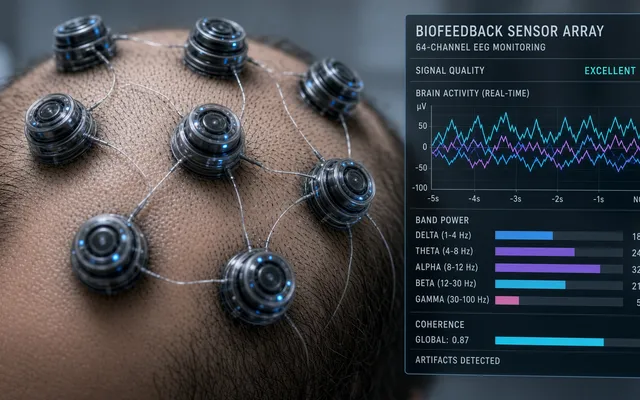
Small studies have trained older adults to modify EEG patterns, such as sensorimotor rhythm or theta activity, and some report improvements in memory or attention. Studies are typically small, often lack proper sham controls and use varied protocols, so results are preliminary. Reviews call for larger, rigorous trials.
Neurofeedback in healthy older adults
Some trials report improvements in working memory or attention after neurofeedback training, with changes in brain activity. Whether these carry over to real life and last is unknown.
Heart rate variability biofeedback
Slow-paced breathing with HRV feedback can reduce stress and anxiety, which can aggravate cognitive symptoms. Some studies suggest benefits for attention and emotional well-being in older adults, and interest is growing for caregivers.
Biofeedback for related problems
- Insomnia and anxiety, common in people with cognitive concerns, can improve with relaxation-based biofeedback
- Urinary and bowel problems, which may be helped by pelvic floor biofeedback in people who can follow instructions
- Balance and gait, where feedback devices that provide cues can support rehabilitation
fMRI neurofeedback
Experimental research examines whether people can learn to regulate memory-related brain regions. It is not available as clinical care.

Limitations in dementia
Biofeedback requires attention, learning and memory, abilities that decline in dementia. People with moderate or advanced dementia are unlikely to benefit from training approaches, though simple relaxation methods with caregiver support may be used.
Evidence-based ways to support cognition
- Treat vascular risks: blood pressure, diabetes and cholesterol
- Exercise regularly
- Correct hearing loss, with hearing aids as needed
- Maintain social and mental activity
- Sleep well and treat sleep apnea
- Follow a healthy diet, such as the Mediterranean or MIND pattern
- Review medications with a doctor
- Treat depression
- Use approved drugs when appropriate. Cholinesterase inhibitors and newer antibody therapies exist for certain stages.
If you are considering biofeedback
1. Get a medical evaluation first. 2. Ask about evidence for the specific protocol. 3. Check credentials, such as certification by the Biofeedback Certification International Alliance. 4. Ask about cost and the plan for measuring progress. 5. Avoid providers who promise cures. 6. Continue your regular medical care.
Bottom line
Biofeedback is not a dementia treatment, but it may help with stress, sleep and attention, and research continues. Approach it with realistic expectations and under professional guidance.
Further reading from authoritative sources
- National Institute on Aging (NIA)
- National Institute of Neurological Disorders and Stroke (NINDS)
- National Center for Complementary and Integrative Health (NCCIH)
This article is educational and does not replace advice from a licensed clinician. See the medical disclaimer. Looking for specialist care? Browse the neurology clinic directory.