What the Next Decade of Brain Science Might Bring
Predictions about the brain have often been too bold or too slow. Still, several lines of research are mature enough to suggest realistic changes over the next ten years.
Likely developments
- Earlier, simpler diagnosis: Blood tests for Alzheimer's biomarkers, retinal imaging, and digital measures from phones and wearables may allow detection years before symptoms. Better tools for Parkinson's disease, such as seed amplification assays that detect abnormal alpha-synuclein, are advancing.
- More treatment options for neurodegeneration: Antibody drugs that clear amyloid, such as lecanemab and donanemab, have shown modest slowing of decline in early Alzheimer's disease, and trials are testing earlier intervention, tau-targeting approaches, combination therapies and treatments for other disorders, including gene therapies and antisense drugs that have already helped some patients with spinal muscular atrophy and Huntington's disease research.
- Prevention: Large trials, such as the U.S. POINTER study, test combined lifestyle approaches for cognitive health, and risk-based programs may become more common.
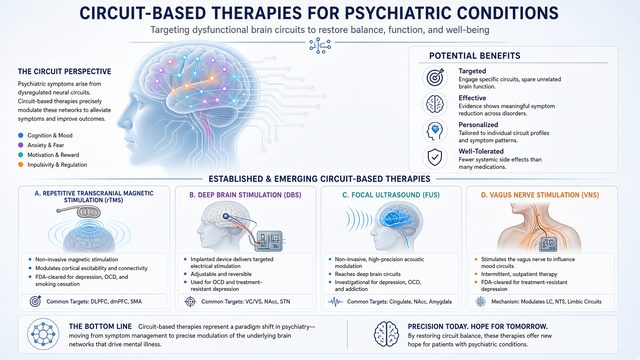
- Neurotechnology: Brain-computer interfaces, such as implants that allow people with paralysis to control computers or produce speech from neural activity, have progressed rapidly in research groups and companies. Noninvasive stimulation, closed-loop devices and better deep brain stimulation are in development.
- Psychiatry: Faster-acting antidepressants such as ketamine and esketamine are in use, and trials of psilocybin and MDMA-assisted therapy continue. Biomarker-guided mental health care remains a goal, with limited progress so far.
- Brain mapping: Large projects such as the BRAIN Initiative and the cell atlas efforts, and the mapping of the fruit fly brain connectome completed in 2024, give detailed wiring diagrams. Mouse and eventually larger connectomes are underway.
- Artificial intelligence: Models may help to analyze imaging, find drug targets, predict structures and decode brain signals, though they require careful validation.
- Personalized and digital care: Telehealth, remote monitoring and precision approaches based on genetics.
- Regenerative medicine: Stem cell therapies for Parkinson's disease are in clinical trials.
What remains uncertain
Consciousness, the basis of complex thought, and the causes of many psychiatric disorders remain poorly understood. Many promising treatments fail in late-stage trials. Cures for the major neurodegenerative diseases are unlikely within ten years, though slowing progression is plausible.
Questions for society
Who will have access to new tests and costly drugs? How will we protect mental privacy and data? How should we regulate enhancement and consumer neurotech? How can research include people from all communities?
What you can do now
Use today's best evidence: control blood pressure, stay active, sleep well, stay socially engaged, protect your head, and treat hearing loss. Consider joining research registries, and stay skeptical of hype.
Preparing individuals and systems
Health systems will need more neurologists, geriatricians and trained primary care clinicians, plus counseling for people who learn their risk long before symptoms. Insurers and governments will face decisions about paying for screening and new therapies. Schools and workplaces may adopt brain-informed practices on sleep, stress and learning, which should be tested before wide use. Individuals can keep a record of family history, ask clinicians about participating in registries, and treat new consumer neurotech with healthy skepticism until independent studies support it.
Takeaway
The coming decade is likely to bring meaningful gains rather than miracles. The foundations of brain health are still in your daily habits.
Further reading from authoritative sources
- National Institute of Neurological Disorders and Stroke (NINDS)
- National Institute of Mental Health (NIMH)
This article is educational and does not replace advice from a licensed clinician. See the medical disclaimer. Looking for specialist care? Browse the neurology clinic directory.