Memory, Stress, and Biofeedback: Breaking the Cycle
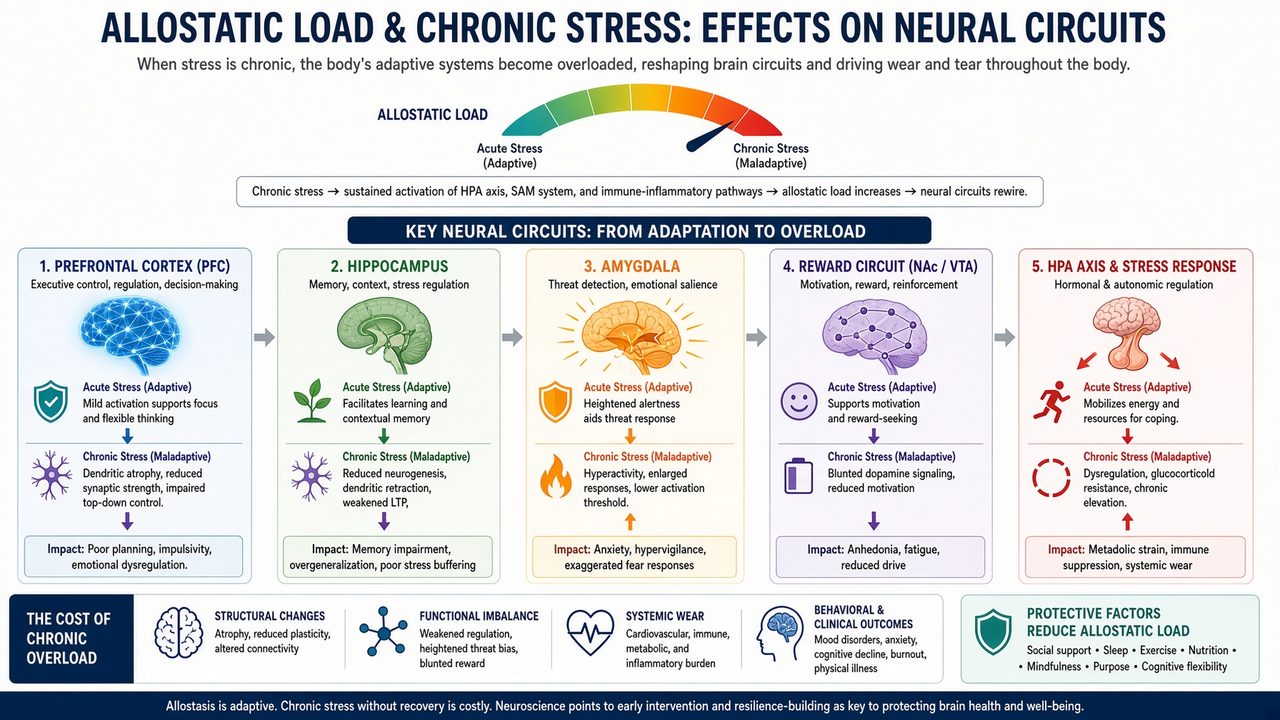
Many people notice a frustrating loop: stress makes it harder to remember, forgetting causes more stress, and anxiety rises. Biofeedback offers tools to interrupt the cycle by training control of the body's stress response.
The stress-memory loop
As discussed in research on stress hormones, high levels of cortisol and noradrenaline impair prefrontal function, working memory and retrieval. Chronic stress is associated with hippocampal changes and poorer cognitive performance. At the same time, experiencing memory lapses, particularly in midlife or later, triggers worry about dementia, which intensifies anxiety and focus on the symptoms. Poor sleep, a common consequence of stress, further harms memory. The loop feeds itself.
How biofeedback may help
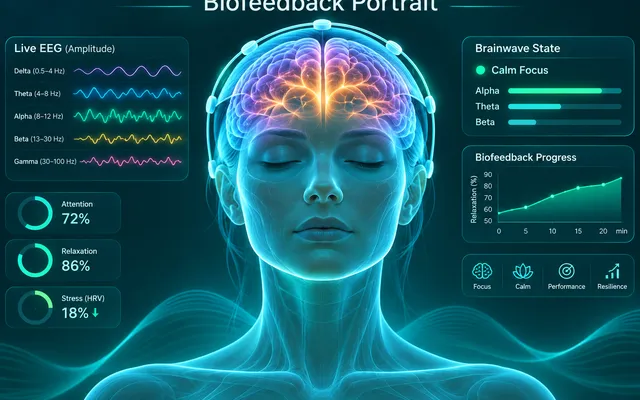
Biofeedback targets the physiological side of the loop:
- Heart rate variability biofeedback: slow, paced breathing increases vagal activity, improves baroreflex function and reduces sympathetic arousal. Studies show that HRV biofeedback reduces self-reported anxiety and stress, and small studies suggest improvements in attention and some cognitive tasks. A study from the University of Southern California by Mara Mather's group found that HRV biofeedback training in older adults reduced amyloid-beta and tau plasma levels, in a pilot trial, though replication is needed.
- Respiration training: diaphragmatic breathing improves oxygenation and calms the nervous system.
- EMG and relaxation training: reduces muscle tension linked to stress.
- Electrodermal feedback: teaches awareness of arousal.
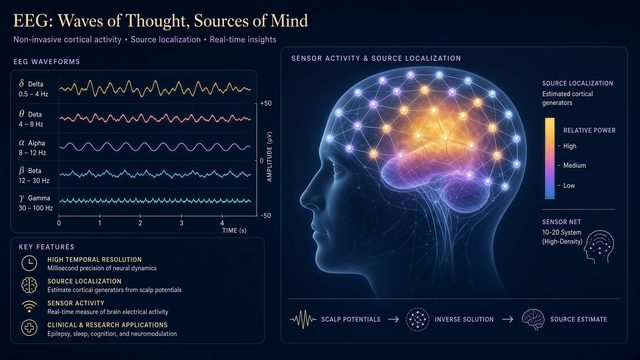
- EEG neurofeedback: alpha, theta and SMR protocols have been studied for stress, anxiety and memory, with small studies suggesting memory improvements in healthy older adults and people with mild cognitive impairment, but results are preliminary and inconsistent.

What the evidence says
- Biofeedback has solid evidence for reducing stress, anxiety symptoms, tension headaches and migraines.
- Evidence for improved memory in healthy adults or those with cognitive impairment is limited, and studies are small, often without strong controls.
- Improvements in memory are most likely mediated by reduced stress, better sleep and improved attention, instead of a direct effect on memory circuits.
A practical plan
1. Rule out medical causes of memory problems with your doctor: sleep apnea, thyroid disease, vitamin B12 deficiency, depression, medication effects and neurological conditions. 2. Learn paced breathing, about six breaths per minute, with a guide or app. 3. Add feedback from an HRV monitor or through a certified biofeedback practitioner. 4. Practice daily for 10 to 20 minutes, ideally before bedtime or at a stress point. 5. Use micro-practices during the day: three slow breaths before a task or meeting. 6. Protect sleep with a regular schedule. 7. Exercise regularly. 8. Use memory supports: calendars, checklists and consistent places for objects, which reduce the demand on memory and the anxiety around lapses. 9. Address worry: cognitive behavioral techniques and mindfulness help with health anxiety about memory. 10. Track progress in stress, sleep and memory lapses.
When to seek help
If memory problems are persistent, getting worse, or affecting daily function, seek a medical evaluation. Biofeedback complements, but does not replace, assessment and treatment. Seek mental health care for persistent anxiety, depression or traumatic stress.
Takeaway
Biofeedback can help calm the nervous system, which helps create better conditions for memory. Used alongside good health habits, it offers a practical way to break the stress-forgetting loop.
Further reading from authoritative sources
- National Institute of Neurological Disorders and Stroke (NINDS)
- National Center for Complementary and Integrative Health (NCCIH)
This article is educational and does not replace advice from a licensed clinician. See the medical disclaimer. Looking for specialist care? Browse the neurology clinic directory.