Cognitive Reserve: Building a Buffer Against Decline
Two people can have similar amounts of Alzheimer's pathology in their brains, yet one shows severe memory loss while the other functions normally. The concept of cognitive reserve helps explain this difference, and offers practical hope.
Brain reserve versus cognitive reserve
Yaakov Stern and others distinguish:
- Brain reserve (passive): structural capacity such as brain size and neuron count. A bigger "hardware" buffer allows more loss before symptoms appear.
- Cognitive reserve (active): differences in how the brain processes tasks, including neural reserve (more efficient networks) and neural compensation (recruiting alternative networks when usual ones are damaged).
- Brain maintenance: a related idea that lifestyle may slow the accumulation of pathology and keep the brain younger.
Evidence
- The Nun Study found that some nuns whose brains at autopsy showed Alzheimer's pathology had shown no dementia symptoms in life, and that early-life language complexity predicted later cognitive health.
- Imaging studies show that in people with higher education or occupational complexity, the same level of pathology or brain atrophy is associated with better cognitive performance.
- Population research: people with higher education, complex occupations, rich social networks and active leisure lives tend to develop dementia symptoms later. A study found that those with more education may have symptoms emerge later but then decline faster, as the pathology is more advanced at that point.
- Lifestyle trials, such as the FINGER study in Finland, which combined diet, exercise, cognitive training and vascular risk management, showed improvements in cognition among at-risk older adults.

What builds reserve
Early life
- Quality education and a stimulating environment
- Good nutrition and health care
- Language-rich homes and reading
Adulthood
- Mentally complex work
- Continued learning, reading and problem solving
- Bilingualism and musical activity
- Social engagement and meaningful relationships
- Physical activity and cardiovascular health
- Purpose and conscientiousness
Later life
- Volunteering, mentoring, and classes
- Strategy games and hobbies that require planning
- Managing hearing and vision loss
- Treating depression and sleep problems
Mechanisms
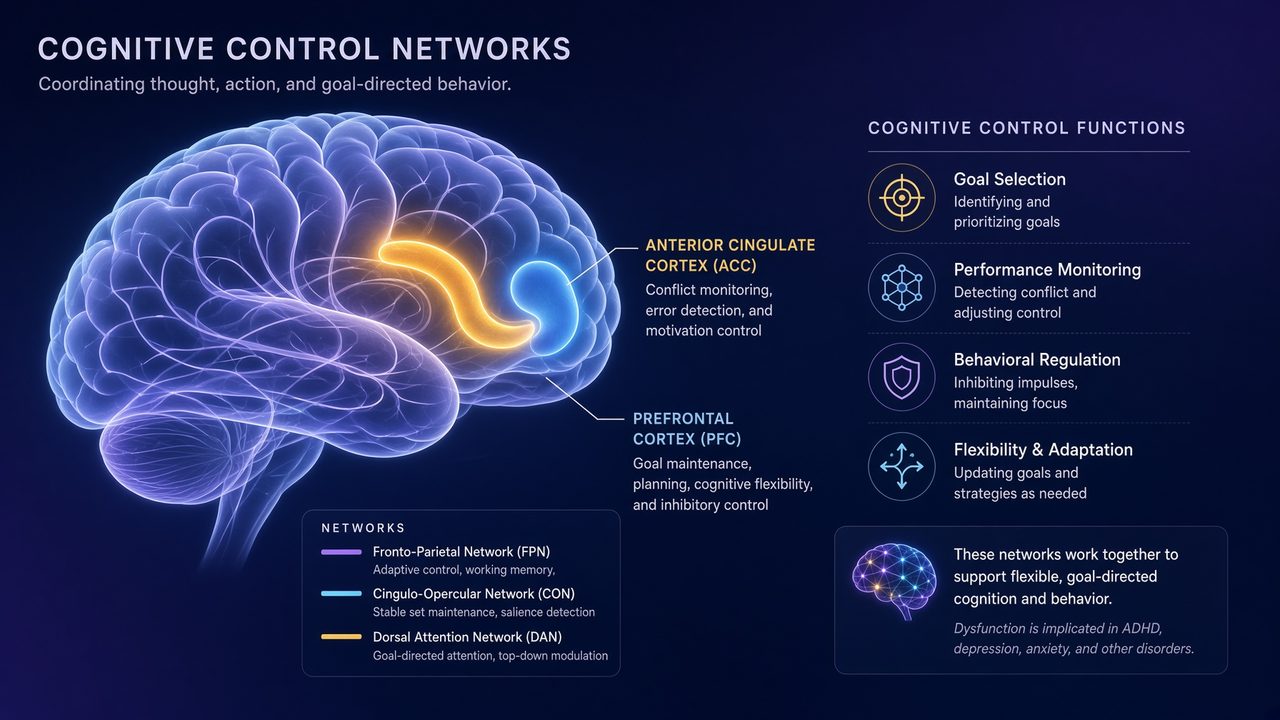
Reserve probably reflects richer synaptic connectivity, more efficient use of networks such as the frontoparietal control network, and capacity to recruit extra regions under demand. Lifestyle factors such as exercise also benefit the vasculature and may reduce pathology.
Limits and equity
Reserve delays symptoms but does not cure disease. Access to education and stimulating environments is unequal, and reserve is influenced by social and economic factors. Public health efforts to improve education, hearing care, blood pressure control and reduce air pollution may be the most powerful ways to improve brain health at the population level.
Practical steps
- Keep learning, with demanding and varied activities.
- Exercise, especially aerobic and strength training.
- Eat a Mediterranean-style diet or similar pattern rich in vegetables, fish and whole grains.
- Control vascular risk factors: blood pressure, cholesterol, glucose.
- Stay socially connected.
- Protect your hearing and use hearing aids if needed.
- Sleep well and treat sleep apnea.
- Avoid smoking and limit alcohol.
- Protect your head from injury.
- Manage stress and mood, seeking help for depression.
Takeaway
Reserve is built over a lifetime, and it is never too late to add to it. It cannot guarantee protection, but gives the brain more resources to cope with whatever comes.
Further reading from authoritative sources
- National Institute of Neurological Disorders and Stroke (NINDS)
- National Center for Complementary and Integrative Health (NCCIH)
This article is educational and does not replace advice from a licensed clinician. See the medical disclaimer. Looking for specialist care? Browse the neurology clinic directory.