False Memories: How the Brain Misremembers
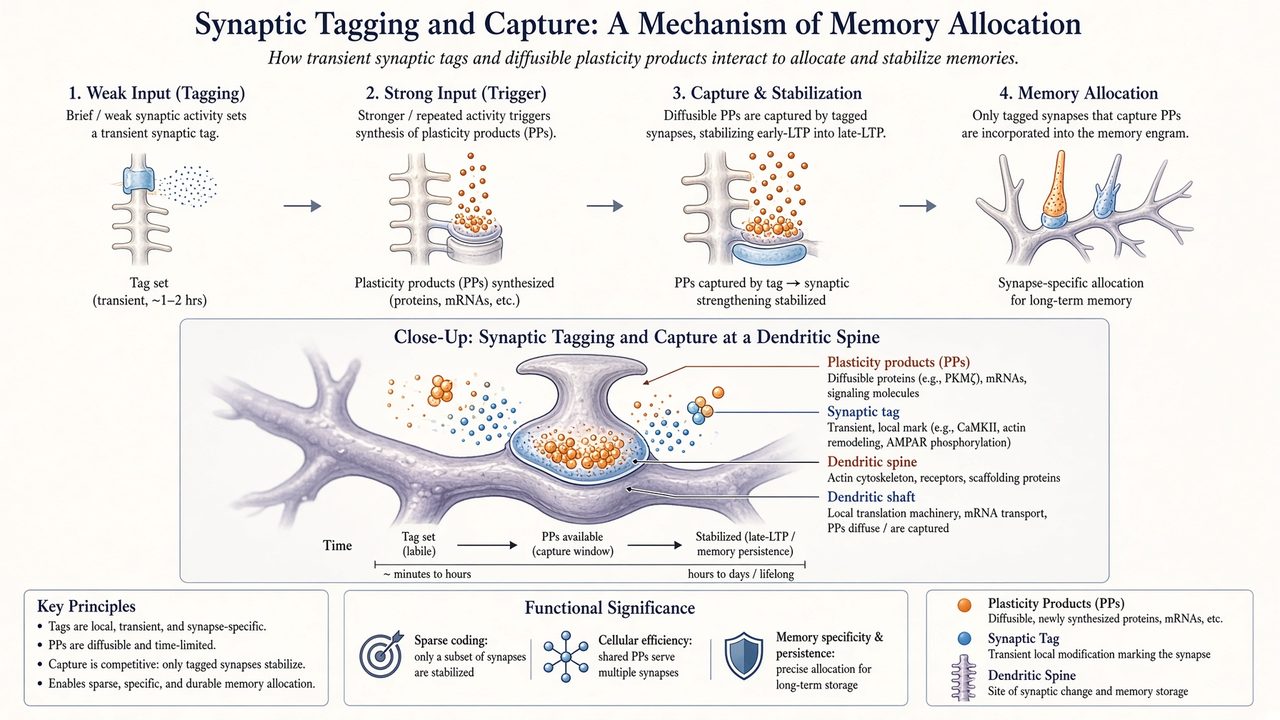
Memory feels like a recording, but it works more like a reconstruction. Each time you remember, the brain rebuilds an event from stored fragments, general knowledge and current expectations. This is efficient, and it also opens the door to false memories, vivid recollections of things that did not happen or happened differently.
Classic research
- Elizabeth Loftus and John Palmer (1974) showed participants films of car accidents. Those asked how fast the cars were going when they "smashed into" each other estimated higher speeds than those asked about cars that "hit," and later more often reported seeing broken glass that was not there.
- The "lost in the mall" study (1995): Loftus and Jacqueline Pickrell convinced about a quarter of participants that they had been lost in a shopping mall as a child, using a story supplied by family members.
- The DRM paradigm: Deese, Roediger and McDermott found that after hearing a list of words such as bed, rest, tired and dream, people often "remembered" hearing the unlisted word sleep. Neural activity during these false recalls overlaps with true memories.
- Imagination inflation: repeatedly imagining an event can make people more confident that it happened.
- Doctored photographs and videos have been used to implant false memories of events like rides in a hot air balloon.
How false memories arise
- Schema-based filling-in: the brain uses general knowledge to supply details consistent with the gist.
- Source monitoring errors: forgetting whether something was seen, heard, imagined or told by someone else.
- Suggestion and misleading information: leading questions, repeated interviews or social pressure can alter reports.
- Reconsolidation: retrieved memories become fragile and can incorporate new information before being stored again.
- Social contagion: hearing others' accounts blends into one's own.
- Familiarity: a sense of knowing can be mistaken for genuine recollection.
Brain mechanisms
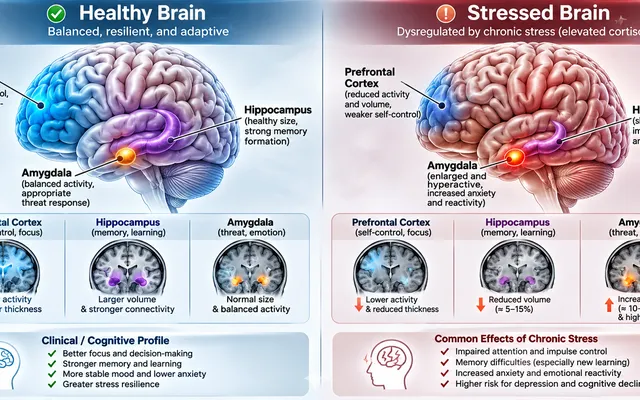
The hippocampus supports pattern completion, which fills gaps from partial cues. Prefrontal regions monitor the origin and plausibility of memories. Studies using fMRI show that true and false memories activate many of the same areas, while sensory cortex reactivation tends to be stronger for true memories, though no reliable signature can separate them in an individual.
Who is more susceptible
Everyone can form false memories under the right conditions. Children and older adults can be more suggestible, and people with high imagination, sleep loss or stress may be as well. People with exceptional autobiographical memory can still form false memories.
Real-world consequences
- Wrongful convictions: mistaken eyewitness identification is a leading factor in many DNA exonerations.
- Therapy controversies: in the 1990s, some therapists used suggestive techniques to recover supposed memories of abuse, leading to false accusations and harm. At the same time, genuine memories of abuse can be delayed in recall, so careful, evidence-based approaches are required.
- Everyday disputes and revised family stories.
Reducing errors
- Record events early, and consult documents when accuracy matters.
- Ask open-ended questions and avoid suggesting details to witnesses.
- Interview witnesses separately and as soon as possible, using structured methods like the cognitive interview.
- Be cautious with confidence, since vivid detail does not prove truth.
- Check source: ask yourself how you know a detail.
- Be skeptical of memories "recovered" through hypnosis or suggestive imagery.
Takeaway
False memories show that remembering is an act of creation. Understanding this makes us more humble about our own recollections and more careful in situations where accuracy matters.
Further reading from authoritative sources
- National Institute of Neurological Disorders and Stroke (NINDS)
- National Center for Complementary and Integrative Health (NCCIH)
This article is educational and does not replace advice from a licensed clinician. See the medical disclaimer. Looking for specialist care? Browse the neurology clinic directory.