How the Brain Recovers from Trauma to Memory
Memory problems after a concussion, stroke, infection or psychological trauma are frightening, yet the brain has substantial capacity to adapt. Understanding how recovery works helps survivors and families set realistic expectations and take effective steps.
Types of trauma affecting memory
- Traumatic brain injury (TBI): from falls, accidents or sports. Mild TBI (concussion) typically produces temporary memory and attention problems, and most people recover within weeks to months, though some have persistent symptoms. Moderate to severe TBI can cause lasting memory impairment.
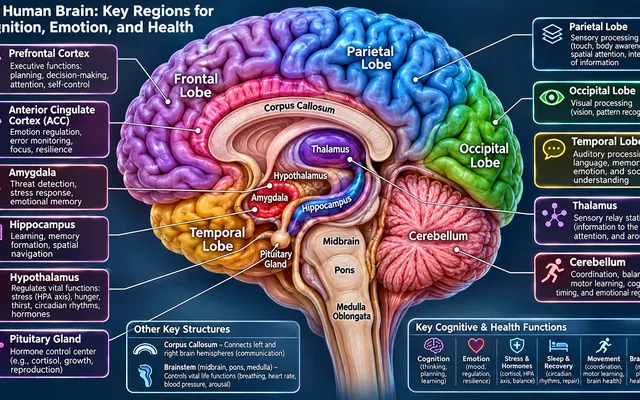
- Stroke, hypoxia and cardiac arrest: damage to the hippocampus and related structures.
- Encephalitis and infections: herpes simplex encephalitis in particular can damage medial temporal lobes.
- Psychological trauma: PTSD is associated with fragmented memory of the event, intrusive memories, and difficulty with other memory tasks due to stress effects on the hippocampus and prefrontal cortex.
- Alcohol-related and nutritional causes: such as Wernicke-Korsakoff syndrome.
How the brain recovers
- Resolution of acute effects: swelling decreases, blood flow is restored and temporary chemical disruptions normalize.
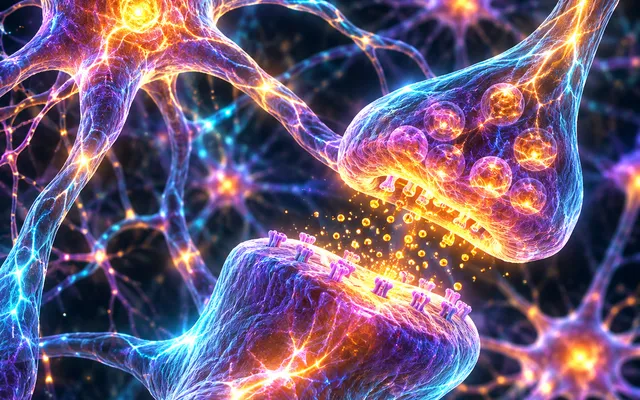
- Neuroplasticity: surviving neurons form new connections, undamaged regions take over some functions, and synapses are remodeled. This "rewiring" is strongest in the early period and with active practice.
- Diaschisis resolution: regions that were temporarily silenced by damage elsewhere resume function.
- Neurogenesis: limited and not shown to be a main route to recovery in humans.
- Compensation: the person learns new strategies and uses intact memory systems, such as procedural and implicit memory, to support daily life.

What predicts recovery
Severity and location of injury, age, education and cognitive reserve, overall health, sleep, mood, social support, substance use and access to rehabilitation all matter. Younger brains have more plasticity, but early childhood injuries can disrupt development, and older adults may recover more slowly.
Rehabilitation approaches
- Cognitive rehabilitation: led by neuropsychologists, occupational therapists or speech-language pathologists. It teaches strategies, such as errorless learning, spaced retrieval, and mnemonic techniques, and trains use of external aids.
- External memory aids: smartphones, calendars, alarms, notebooks, labeled storage, pill organizers and structured routines. Studies show that reminder devices improve independence for people with memory impairment.
- Environmental modification: reducing clutter and keeping consistent places for objects.
- Exercise: supports brain recovery and mood.
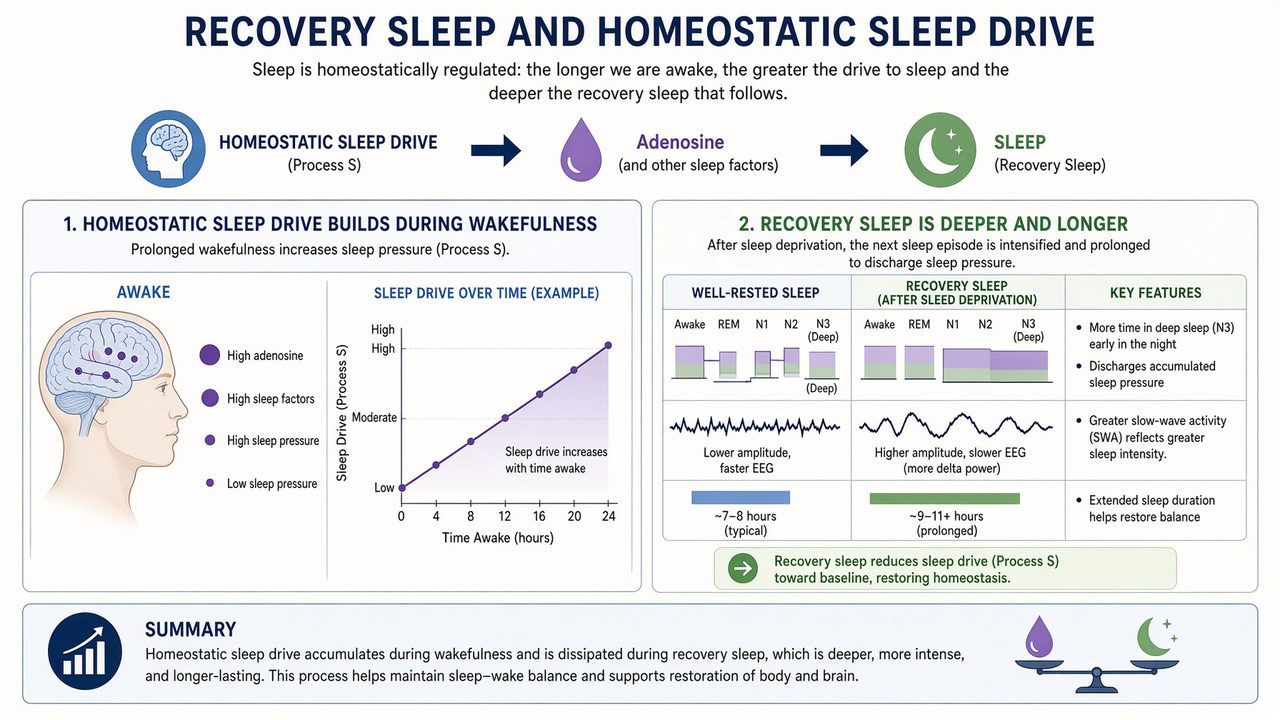
- Sleep management: disrupted sleep is common after injury and affects memory.
- Treating depression, anxiety and pain, which worsen cognitive function.
- Medication review: some drugs worsen memory.
- Psychotherapy for trauma: trauma-focused CBT, EMDR and prolonged exposure for PTSD, which can reduce intrusive memories and improve functioning.
- Support for families: education and counseling, since memory difficulties affect relationships.
- Neuromodulation and drug treatments: under study, with no established standard for memory restoration.
Concussion care
Rest briefly in the first day or two, then gradually return to activities as symptoms allow, since prolonged inactivity may delay recovery. Avoid another head injury before full recovery. Seek medical care for worsening headache, repeated vomiting, confusion, seizures, weakness or unusual drowsiness after a head injury.
Tips for survivors
- Keep a daily routine and a central calendar.
- Take notes during conversations, and use phone reminders.
- Do one thing at a time, and rest when tired.
- Ask for repetition and written instructions.
- Be patient with yourself and celebrate gains.
- Join support groups, which reduce isolation.
When to seek evaluation
Persistent or worsening memory difficulty after an injury deserves assessment by a neurologist or rehabilitation specialist, including neuropsychological testing, to guide therapy.
Takeaway
The brain can adapt after memory trauma, particularly with time, practice and support. Rehabilitation focuses on both restoring function and building workarounds that restore independence.
Further reading from authoritative sources
- National Institute of Neurological Disorders and Stroke (NINDS)
- National Center for Complementary and Integrative Health (NCCIH)
This article is educational and does not replace advice from a licensed clinician. See the medical disclaimer. Looking for specialist care? Browse the neurology clinic directory.