The Science of Focus: Sustained Attention and the Brain
Concentrating on a single task for an extended period is a surprisingly demanding feat. Researchers who study sustained attention, also called vigilance, have uncovered why focus fades, what supports it, and how to strengthen it.
What the brain does
- Alerting system: the locus coeruleus-norepinephrine system maintains arousal and readiness. Moderate levels support optimal focus, while too little leads to drowsiness and too much to distractibility.
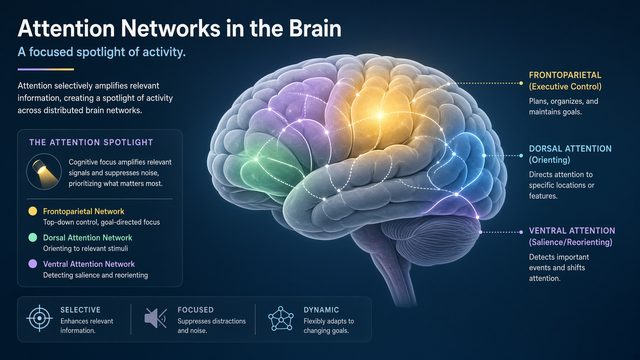
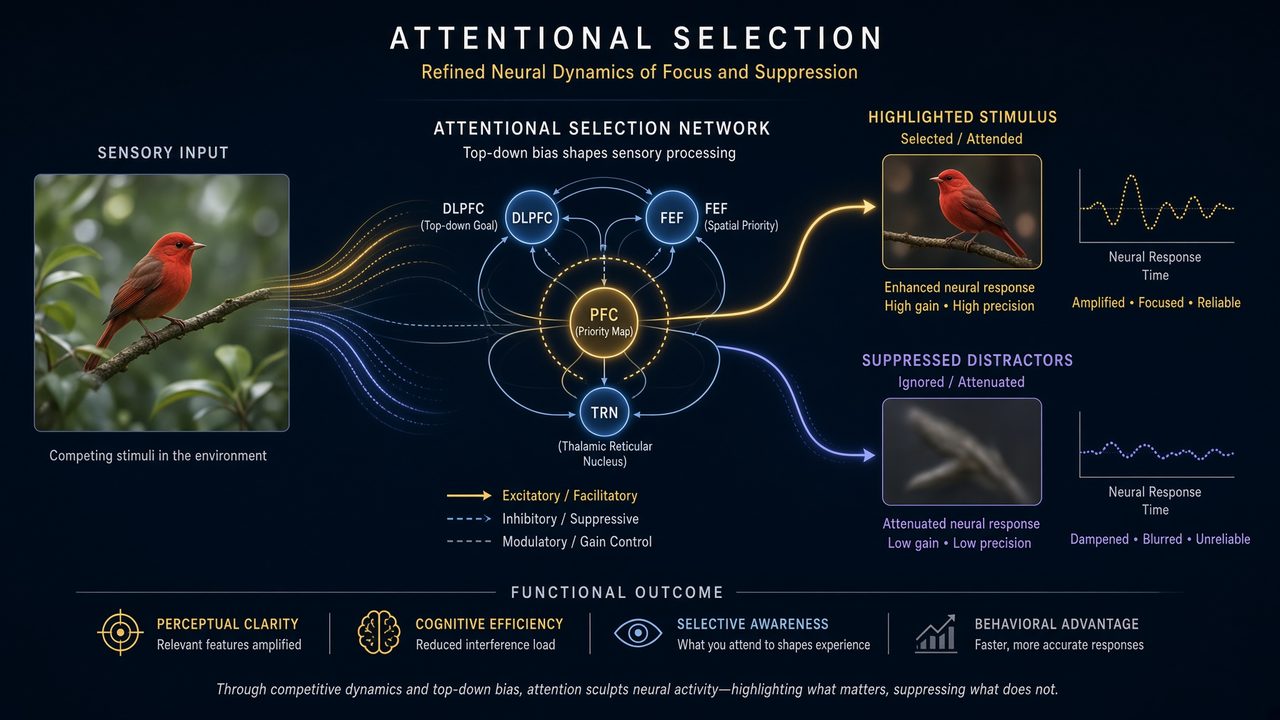
- Frontoparietal control networks: the dorsolateral prefrontal cortex, intraparietal sulcus and frontal eye fields maintain goals and direct attention.
- Right-lateralized ventral attention network: detects relevant changes.
- Cingulo-opercular network: involved in maintaining a stable task set.
- Default mode network: tends to deactivate during focused tasks, and its intrusion is linked with mind wandering and lapses.
- Dopamine and acetylcholine: modulate signal-to-noise and motivation.
Why focus fluctuates
- Vigilance decrement: performance on monotonous tasks declines after about 15 to 30 minutes, as shown in studies of radar operators in World War II. Theories include resource depletion, mindlessness, and a shift in motivation as the brain looks for more rewarding activity.
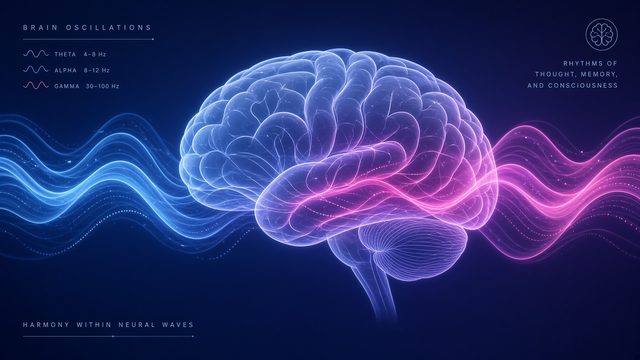
- Mind wandering: people's minds wander roughly a third to half of the time, and attention lapses are preceded by increased default network activity and drowsy EEG patterns such as higher alpha and theta power.
- Ultradian rhythms: attention naturally varies in cycles of roughly 90 minutes in some studies, although the evidence is mixed.
- Circadian rhythms: alertness peaks at different times for early and late chronotypes, with a post-lunch dip.
- Individual differences: genetics, sleep, mood, and attention disorders matter.
What impairs focus
- Sleep deprivation: one of the largest effects, leading to micro-lapses
- Stress and anxiety, which engage worry and threat monitoring
- Digital distractions: notifications, the presence of a phone and frequent task-switching degrade performance. A study showed that average attention on a screen before switching dropped to about 47 seconds.
- Noise and clutter
- Hunger, dehydration and heavy meals
- Alcohol and some medications
- Pain and illness
- Depression, ADHD and other conditions
Strategies with research support
- Protect sleep, the foundation of attention.
- Exercise: acute aerobic exercise improves attention for a period afterward, and regular exercise supports executive function over the long term.
- Time-box work: use focused intervals such as 25 to 50 minutes followed by short breaks. Short breaks restore performance, in studies of microbreaks.
- Reduce distractions: silence notifications, put your phone out of reach, use website blockers, and close extra tabs.
- Set clear goals for each session, which direct control networks.
- Work during your peak hours for demanding tasks.
- Single-task: avoid multitasking.
- Mindfulness meditation: randomized studies show modest improvements in attention, with benefits related to better detection of mind wandering.
- Time in nature: studies suggest that natural environments can restore directed attention, as proposed by Attention Restoration Theory.
- Caffeine in moderation improves vigilance, but disrupts sleep if taken late.
- Music or noise: a moderate level of ambient noise helps some people, while lyrics hamper reading tasks.
- Make tasks engaging: gamification, appropriate challenge and meaningful goals sustain motivation.
- Treat underlying conditions: evaluation for ADHD, depression, anxiety, sleep apnea or thyroid problems when focus problems are persistent.
Attention training
Apps claiming to train attention show limited generalization, though practices like mindfulness, and in some cases neurofeedback for ADHD, have evidence of benefit.
Takeaway
Sustained attention is a limited, fluctuating resource. By protecting sleep, designing your environment and taking smart breaks, you can get the most out of your focus.
Further reading from authoritative sources
- National Institute of Neurological Disorders and Stroke (NINDS)
- National Center for Complementary and Integrative Health (NCCIH)
This article is educational and does not replace advice from a licensed clinician. See the medical disclaimer. Looking for specialist care? Browse the neurology clinic directory.