Brain Waves Explained: Alpha, Beta, Theta, and Delta
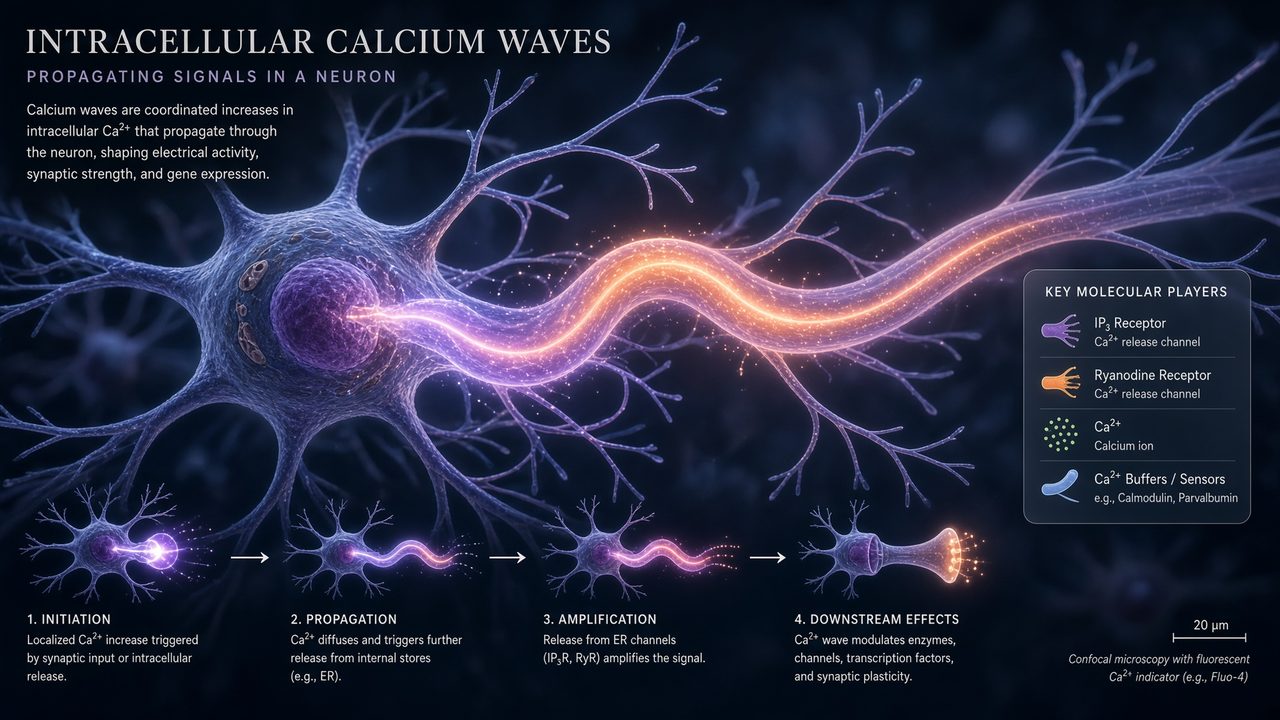
Every moment, billions of neurons produce tiny electrical signals. When many neurons fire in rhythm, their combined activity can be detected on the scalp as oscillating patterns known as brain waves. Scientists measure them with electroencephalography, or EEG, and group them by how fast they cycle.
A brief history
German psychiatrist Hans Berger recorded the first human EEG in the 1920s and noticed a regular rhythm that appeared when a person closed their eyes. This rhythm, now called alpha, was the first of the bands to be named. EEG has since become a core clinical tool for epilepsy, sleep medicine and research.
The five classic frequency bands
Frequencies are measured in hertz (Hz), meaning cycles per second. Exact boundaries vary a little between laboratories.
Delta (about 0.5 to 4 Hz)
The slowest waves are dominant in deep, dreamless sleep (slow-wave sleep). They are also seen in infants and in some brain injuries or encephalopathies when they appear in a waking adult.
Theta (about 4 to 8 Hz)
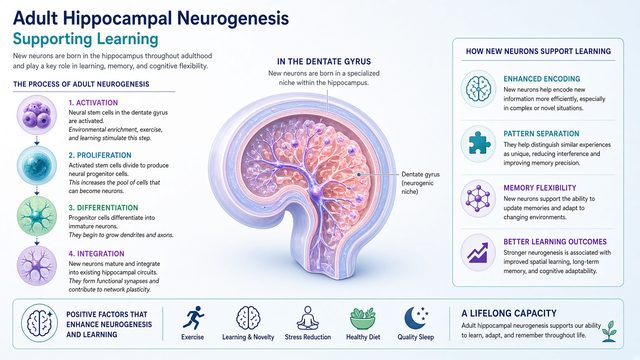
Theta activity is common in drowsiness and light sleep, and in the hippocampus during exploration and memory tasks. In children it is a normal waking rhythm; in adults, excessive waking theta can be a sign of brain dysfunction.
Alpha (about 8 to 12 Hz)
Alpha waves are prominent over the back of the head when you are awake, relaxed and have your eyes closed. They drop when you open your eyes or concentrate. Researchers now think alpha helps filter out irrelevant information.
Beta (about 13 to 30 Hz)
Beta activity is associated with active thinking, focus and motor control. Increased beta can also appear with anxiety or as a side effect of certain medications such as benzodiazepines.
Gamma (above about 30 Hz)
Gamma oscillations are fast rhythms linked to attention, perception and the binding of information across brain areas. They are harder to measure on the scalp because muscle activity can contaminate the signal.
What brain waves are used for
- Diagnosing epilepsy. Abnormal spikes and rhythmic discharges can reveal seizure activity.
- Staging sleep. Sleep stages are defined partly by their characteristic waves.
- Monitoring anesthesia and coma. EEG helps assess brain function in intensive care and surgery.
- Research. Scientists study how oscillations support attention, memory and communication between regions.
- Neurofeedback. Some practitioners train people to change certain frequencies, though the evidence for many applications is still developing.
Common misconceptions
Popular articles sometimes claim that one band equals one mental state, such as "alpha is calm" or "beta is stress." The reality is more complicated. The meaning of a rhythm depends on where it appears, how strong it is, and what the person is doing. Consumer devices that claim to read your mood from a single band should be viewed with caution.
Another common claim is that listening to special sounds will "entrain" your brain to a desired state. Some studies suggest a small effect on relaxation or mood, but the evidence is mixed and not strong enough to promise specific results.
How to try it safely
If you are curious, the safest way to learn about your own brain waves is through a clinical EEG ordered by a physician for a medical reason. Consumer headsets are fine as an educational toy, but their sensors and algorithms are far less precise than medical equipment, and they should not be used to diagnose or treat any condition.
Further reading from authoritative sources
This article is educational and does not replace advice from a licensed clinician. See the medical disclaimer. Looking for specialist care? Browse the neurology clinic directory.