Neurogenesis: New Neurons in the Adult Brain
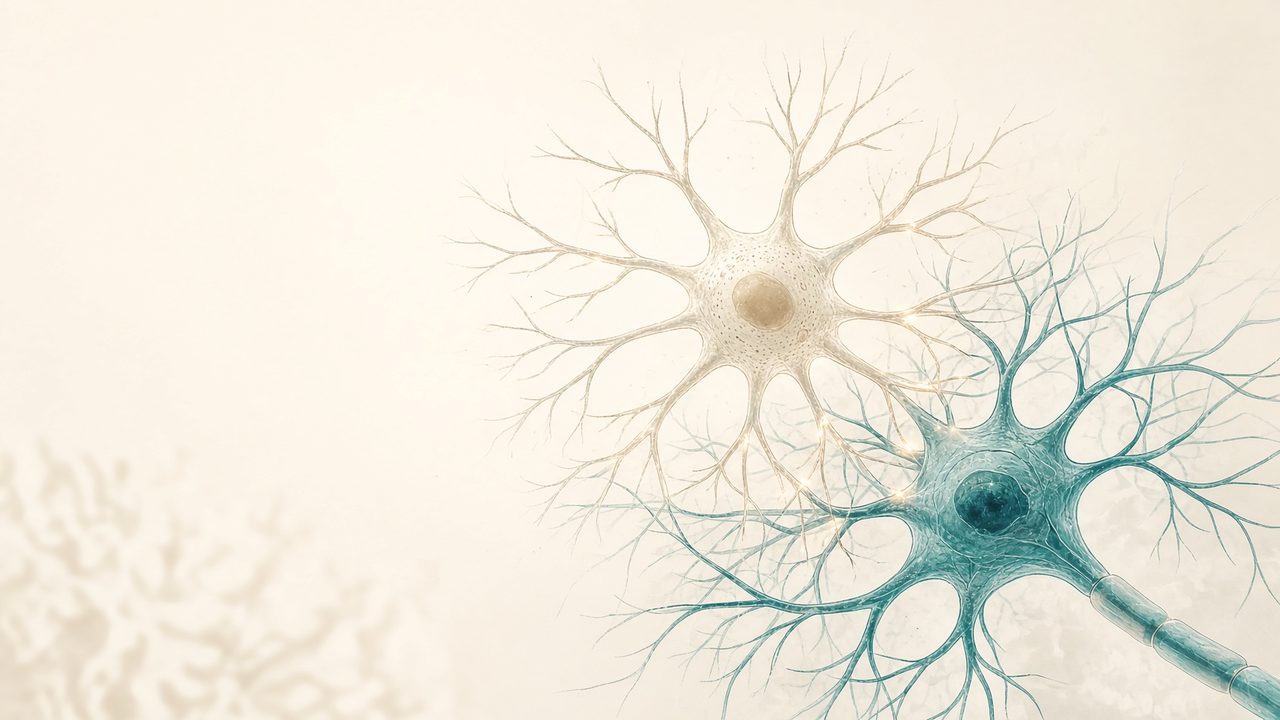
For much of the twentieth century, scientists believed that adults could not generate new neurons. The idea was overturned in rodents in the 1960s and 1990s, and whether it occurs substantially in adult humans remains an active, contested question.
Where it happens
Two main niches have been described in mammals:
- Subgranular zone of the dentate gyrus in the hippocampus, producing granule cells
- Subventricular zone lining the lateral ventricles, producing neuroblasts that migrate to the olfactory bulb in rodents
Neural stem cells divide, and their offspring mature over several weeks, extending dendrites and axons and integrating into circuits. Many new cells die unless they are used.
What new neurons may do
In rodents, newborn dentate granule cells are more excitable and plastic than mature ones. Experiments suggest they help with pattern separation, distinguishing similar memories or contexts, and may contribute to flexible learning and the regulation of stress responses. Reducing neurogenesis can impair some memory tasks, while boosting it has improved performance in certain tests. Some antidepressant effects in animals appear to depend on neurogenesis.

The human evidence
- In 1998, Peter Eriksson and Fred Gage reported new neurons in postmortem hippocampi of cancer patients who received a labeling compound.
- In 2013, Jonas Frisén's group used carbon-14 dating, drawing on atmospheric nuclear test levels, to estimate that humans add about 700 hippocampal neurons per day.
- In 2018, a study by Sorrells and colleagues reported that neurogenesis drops sharply in childhood and is undetectable in adults, while a study by Boldrini and colleagues found evidence of new neurons in people up to 79.
- Later work, including studies using single-cell sequencing, has produced findings on both sides, and researchers continue to debate methods such as tissue preservation and cell markers.
The honest summary is that some adult human hippocampal neurogenesis likely occurs, perhaps at a low level that declines with age, but its functional importance is unclear. Evidence for olfactory bulb neurogenesis in adult humans is weak.
Factors that influence it in animals
- Exercise, especially running, strongly increases it.
- Enriched environments and learning improve survival of new neurons.
- Chronic stress and high glucocorticoids reduce it.
- Sleep deprivation reduces it.
- Aging lowers it.
- Alcohol and opioids can suppress it.
- Antidepressants and electroconvulsive stimulation increase it in rodents.
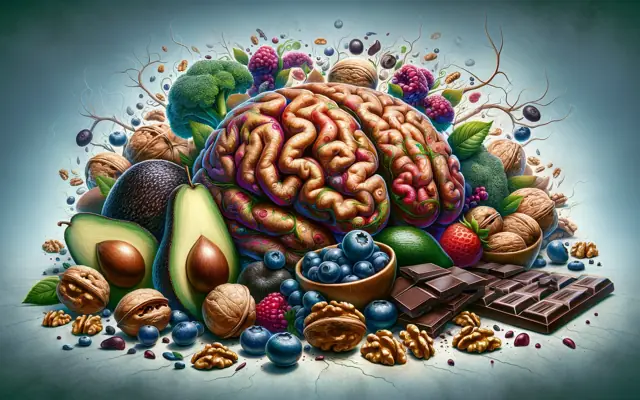
- Diet: caloric restriction and some nutrients such as omega-3 fatty acids have shown positive effects in animals, while high-fat diets may impair it.
Disease and therapy
Reduced neurogenesis has been suggested in depression, Alzheimer's disease and epilepsy, though direct human evidence is limited. Stroke can trigger the birth of new cells that migrate to the injury, but few survive. Strategies to enhance neurogenesis or replace lost neurons, including growth factors, drugs and stem cell transplantation, are under investigation.
What you can do
You do not need to settle the debate to benefit from the habits associated with healthy plasticity:
- Move regularly, since aerobic exercise has solid support for brain health benefits.
- Keep learning and seek novelty.
- Prioritize sleep.
- Manage chronic stress.
- Eat a balanced diet and limit heavy alcohol use.
- Stay socially connected.
Be skeptical of supplements or devices claiming to "grow new brain cells."
Takeaway
Adult neurogenesis is real in many species, and probably exists in humans at a modest level. Its role in human health is still being worked out, but the lifestyle factors linked with it are good for the brain regardless.
Further reading from authoritative sources
This article is educational and does not replace advice from a licensed clinician. See the medical disclaimer. Looking for specialist care? Browse the neurology clinic directory.