Biofeedback and Brain-Computer Interface Technology
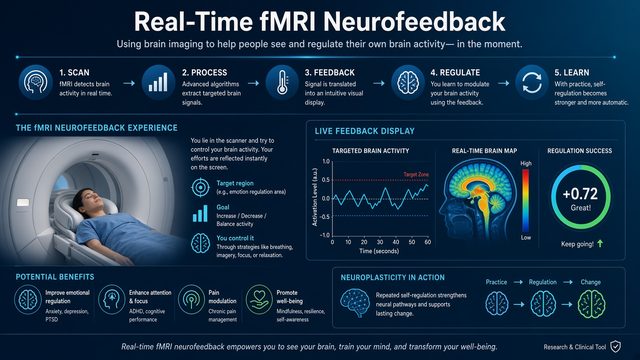
Biofeedback teaches people to change their own physiology by showing them real-time signals. Brain-computer interfaces decode brain activity to control a device. The two fields share sensors and signal processing, and they increasingly overlap.
How they are similar
Both record signals such as EEG, muscle activity or heart rhythm, process them in real time, and provide immediate output. Both rely on learning, since the user and the system adapt to each other. Both depend on good signal quality and control of artifacts.
How they differ
- Goal: biofeedback aims to help the person learn to regulate a body function, such as relaxing a muscle or slowing breathing. A brain-computer interface aims to give the person control of an external device, such as a cursor, speller, wheelchair or robotic arm, or to restore a lost function.
- Signals: biofeedback uses many body signals, and brain-computer interfaces focus on neural signals recorded with scalp EEG, electrodes on the brain surface or implanted arrays.
- Setting: biofeedback is usually used for therapy and training, and BCIs are used for assistive technology and research.
Types of brain-computer interface
- Noninvasive: scalp EEG is safe and accessible, but signals are weaker and noisier.
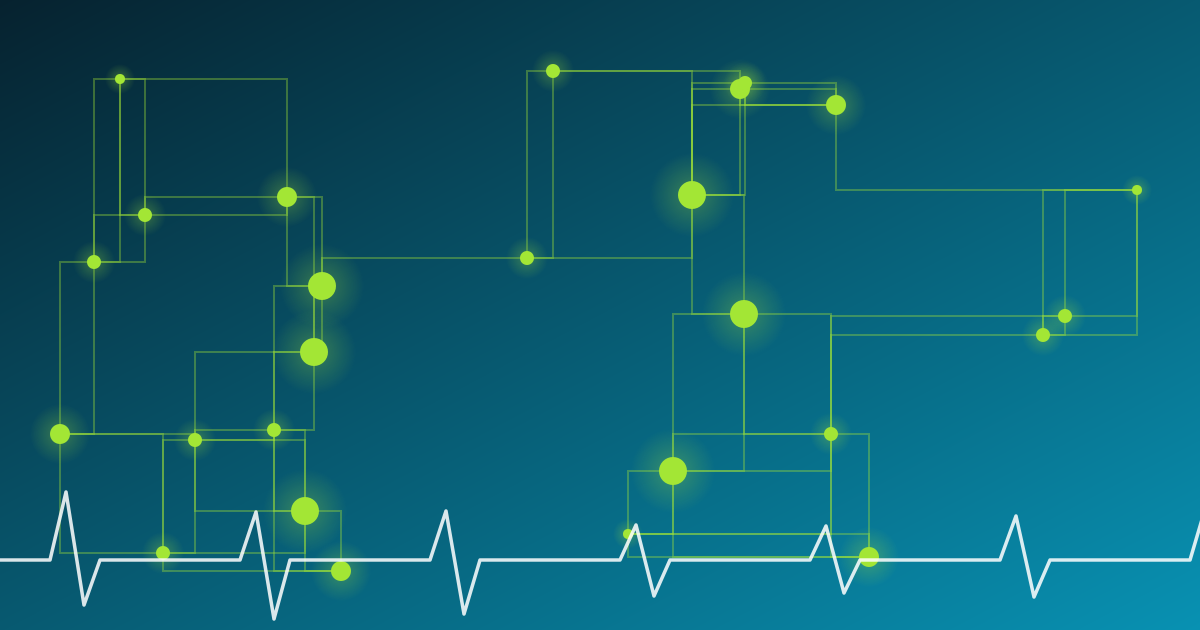
- Partially invasive: electrocorticography electrodes placed on the brain surface provide richer signals.
- Invasive: microelectrode arrays implanted in cortex give the highest resolution. Studies by the BrainGate consortium have enabled people with paralysis to control computer cursors and robotic arms, and recent work has decoded attempted speech into text at speeds approaching natural conversation.
Where they meet
- Stroke rehabilitation: BCIs detect a person's attempt to move and trigger a robotic orthosis, electrical stimulation or on-screen feedback, which can strengthen the pathways involved. Trials suggest benefits for hand function in some patients, although evidence is still developing.
- Neurofeedback as a BCI: neurofeedback can be seen as a BCI whose output is feedback to the user.
- Communication: people with advanced amyotrophic lateral sclerosis or locked-in syndrome can use EEG-based spellers or implants to communicate.
- Hybrid systems: combining EEG with muscle, eye or heart signals improves reliability.
- Closed-loop therapies: devices that sense brain activity and deliver stimulation as needed, such as responsive neurostimulation for epilepsy.
Challenges
- Signal stability and calibration: brain signals change from day to day.
- Usability and training time
- Hardware durability and surgical risk for implants
- Cost and access
- Ethics and privacy: neural data are sensitive, and users deserve control and informed consent.
Ethical considerations
Because these systems read signals from the nervous system, privacy, consent and data ownership are central. Users should understand what is recorded, who can see it and how decisions about their care or device will be made, including what happens if a company stops supporting an implanted device.
Looking ahead
Better sensors, machine learning and rehabilitation protocols are expected to make both fields more reliable and easier to use at home.
Takeaway
Biofeedback and brain-computer interfaces both close the loop between brain, body and machine. Together they point toward more personalized rehabilitation and communication tools.
Further reading from authoritative sources
- National Institute of Neurological Disorders and Stroke (NINDS)
- National Center for Complementary and Integrative Health (NCCIH)
This article is educational and does not replace advice from a licensed clinician. See the medical disclaimer. Looking for specialist care? Browse the neurology clinic directory.