Neurofeedback Software and Hardware: What to Know
Neurofeedback systems vary from clinic-grade amplifiers used by trained clinicians to headbands marketed directly to consumers. Understanding how the pieces fit together makes it easier to judge claims and decide what is appropriate.
The hardware
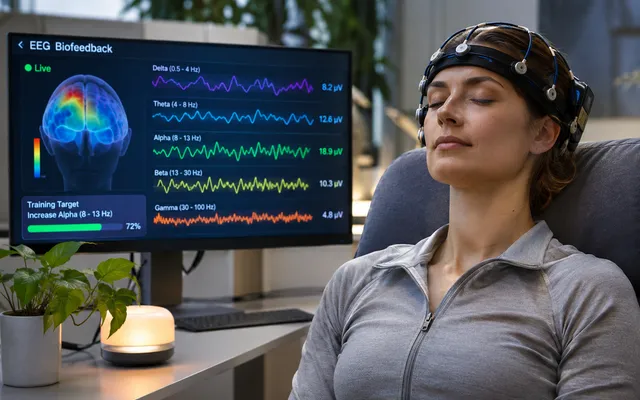
- Electrodes and caps: clinical systems use sensors placed at standard scalp locations of the 10-20 system, with conductive gel or paste for good contact. Consumer headbands often use dry sensors on the forehead or around the ears.
- Amplifier: boosts tiny electrical signals, measured in microvolts, and converts them to digital data. Channel count ranges from one or two in simple devices to 19 or more for quantitative EEG and low-resolution electromagnetic tomography based training.
- Reference and ground electrodes to reduce noise
- Computer or mobile device to run software and display feedback
- Connectivity: wired or Bluetooth
The software
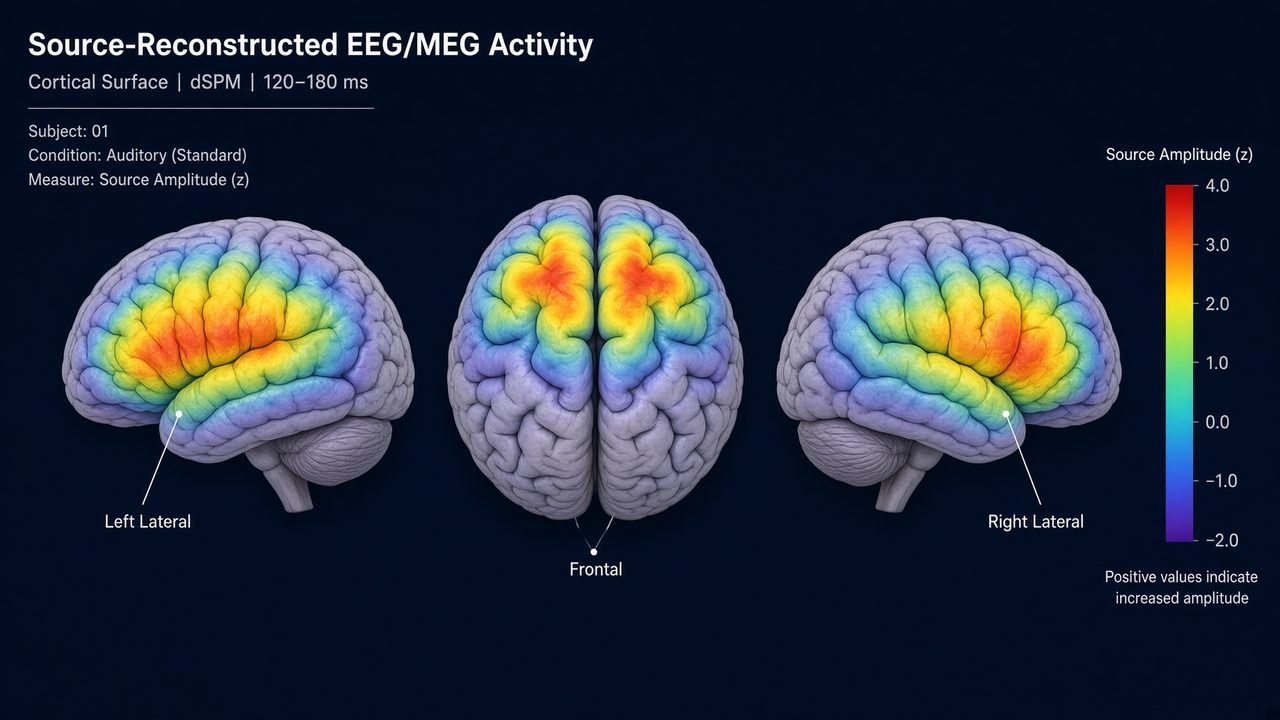
Software filters raw EEG, removes artifacts from blinking, muscle tension and movement, calculates features such as the amplitude of theta, alpha or beta frequency bands, and compares them to thresholds. When the brain activity moves in the desired direction, the software rewards it with a game, video, tone or other signal. More advanced programs support z-score training, which compares your activity to a normative database, connectivity measures, slow cortical potentials and real-time functional MRI. Good systems record sessions, track progress and allow clinicians to adjust protocols.
Clinical versus consumer systems
Clinical-grade equipment generally offers higher signal quality, more channels, calibration and professional support. Consumer devices are cheaper and easier to use, but their sensors and algorithms often record less accurately, and the evidence for their claims is limited. Home-use systems may be paired with clinician oversight in remote training.
Questions to ask
- Is the device cleared by a regulator such as the U.S. Food and Drug Administration for the use claimed, or is it a general wellness product?
- What evidence supports the protocol for your condition?
- Who designs and supervises training? Look for clinicians with training and certification, such as through the Biofeedback Certification International Alliance.
- How is artifact handled? Poor signal control can reward noise instead of brain activity.
- How are data stored, and can you export or delete them?
- What are the costs, including sessions, subscriptions and equipment?
- How will progress be measured with symptom scales, not just software scores?
Cautions
Neurofeedback has shown promise for attention problems, insomnia and some other conditions, but the strength of evidence varies, and controlled trials suggest that placebo and nonspecific effects are important. Avoid providers who promise cures, discourage other treatment or sell expensive packages up front.
Setting up sessions
A typical session begins with a few minutes of baseline recording, followed by training blocks of several minutes with brief rests, and ends with a review of progress. Clinicians usually repeat sessions two or three times per week over many weeks, and track symptoms with questionnaires. Comfortable posture, relaxed muscles and limited blinking improve signal quality.
Home use
Some clinics lend equipment for home training with remote supervision. Follow the schedule, keep a log, and report any headaches, irritability or sleep changes to the provider.
Takeaway
Understand what the hardware and software actually measure and reward. Choose systems and providers based on evidence, transparency and professional oversight.
Further reading from authoritative sources
- National Institute of Neurological Disorders and Stroke (NINDS)
- National Center for Complementary and Integrative Health (NCCIH)
This article is educational and does not replace advice from a licensed clinician. See the medical disclaimer. Looking for specialist care? Browse the neurology clinic directory.