Neurogaming: The Intersection of Games and Brain Science
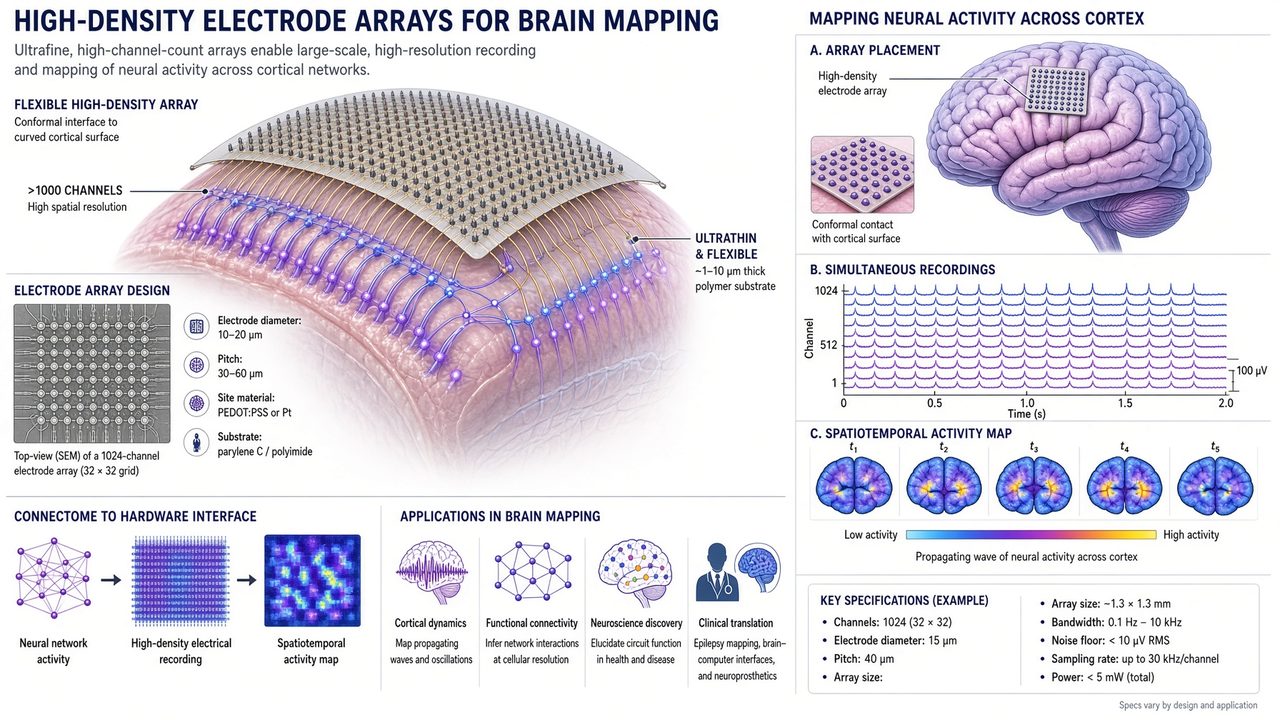
Neurogaming combines video games with brain and body sensing. Instead of, or in addition to, a controller, the game reads signals such as EEG, heart rate or skin conductance and responds to them, creating an experience that can be entertaining, therapeutic or both.
How it works
A sensor, such as a wearable EEG headset, heart rate monitor or electrodermal sensor, streams data to a game. The game interprets features, such as alpha power as a sign of relaxation or frontal activity as a sign of focus, and uses them to change what happens on screen. A dragon may breathe fire only when a player is calm, or a racing car may speed up with sustained attention. Because the game rewards a physiological state, it works as a form of biofeedback or neurofeedback.
Types of neurogames
- Brain-controlled games: EEG-based brain-computer interfaces let players control a cursor or character through imagined movement or attention signals. They are valuable for people with paralysis, although speed and accuracy are limited compared with a game controller.
- Neurofeedback games: designed to train attention, relaxation or emotional regulation, for example for ADHD or anxiety. Some are used in clinics and research.
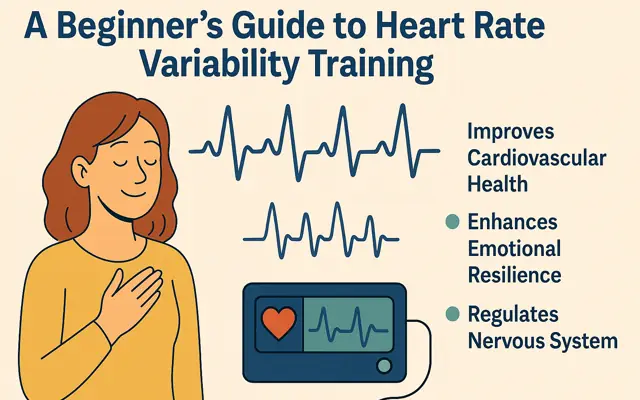
- Biofeedback games: use breathing or heart rate variability to control gameplay, such as relaxation-based games for children with anxiety. The game Mightier, developed at Boston Children's Hospital, uses heart rate feedback to help children practice calming during play.
- Adaptive games: adjust difficulty based on measured arousal, engagement or cognitive load.
- Closed-loop therapeutic games: combine real-time brain signals with stimulation or cognitive tasks to support rehabilitation or attention.
- Consumer headsets: devices that claim to measure focus or calm for entertainment and meditation.
What the evidence shows
Research on neurofeedback games for ADHD and anxiety is promising but mixed, and some studies show gains in attention or emotional regulation while others show no advantage over standard feedback. EEG-based brain-computer interface games are used in stroke rehabilitation research, with some evidence of improved motor recovery. Consumer EEG headsets have fewer sensors and are susceptible to muscle and movement artifacts, so claims about reading emotions or "mind control" often exceed what they can reliably measure.
Challenges
- Signal quality: EEG is weak and noisy, and dry sensors vary.
- Individual differences: some people have difficulty generating controllable signals, sometimes called BCI illiteracy.
- Placebo and engagement effects.
- Validation and standards.
- Privacy: brain and physiological data are sensitive.
- Overpromising: marketing language often outpaces evidence.
What to look for
If you try a neurogame, choose products developed with clinicians or research groups, check whether peer-reviewed studies support the claims, understand how data are stored and shared, and use it as a complement to established care.
Where the field may go
Future neurogames may combine better wearable sensors with adaptive artificial intelligence to personalize training, and could deliver therapy at home with clinician oversight. They will need clear standards, independent testing and strong privacy protections. For now, the safest approach is to treat them as engaging practice tools with modest effects.
Takeaway
Neurogaming turns the body's signals into gameplay, which can make practicing self-regulation more fun. Real therapeutic value exists, but expect honest claims and modest effects.
Further reading from authoritative sources
- National Institute of Neurological Disorders and Stroke (NINDS)
- National Center for Complementary and Integrative Health (NCCIH)
This article is educational and does not replace advice from a licensed clinician. See the medical disclaimer. Looking for specialist care? Browse the neurology clinic directory.