Noise-Canceling Technology and Cognitive Load
Background noise is more than an annoyance. It competes for attention, increases stress and can impair thinking, particularly for complex tasks. Noise-canceling headphones are popular tools, and science can say when they help.
How noise affects the brain
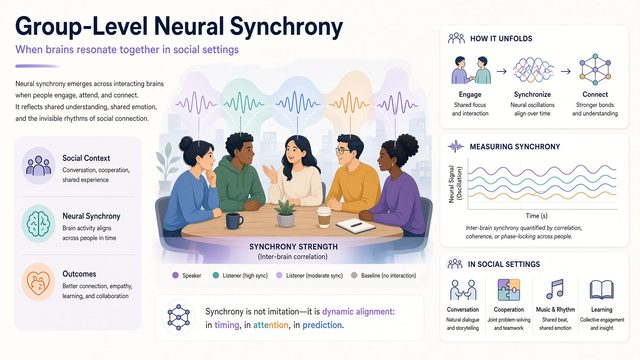
- Attention and speech: background speech is especially disruptive, because the brain automatically processes language, a phenomenon called the irrelevant speech effect. It can impair reading, writing and memory tasks.
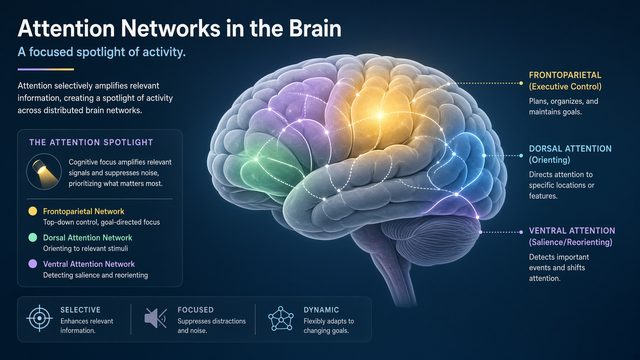
- Cognitive load: noise forces the brain to filter, which uses resources. Open-plan offices are associated with reduced concentration and satisfaction in many surveys and studies.
- Stress physiology: chronic exposure to loud noise, such as traffic, is associated with higher blood pressure, sleep disruption and cardiovascular disease. The World Health Organization estimates that environmental noise contributes to a substantial burden of disease in Europe.
- Children's learning: studies of children near airports and noisy schools, notably the RANCH study, found that chronic aircraft noise was associated with poorer reading comprehension and memory.
- Sleep: noise can fragment sleep even without waking.
How noise-canceling technology works
Passive isolation uses ear cups or tips to physically block sound. Active noise cancellation uses microphones to detect low-frequency sounds, such as engines and air conditioning hum, and the device generates an opposite waveform that cancels them. It works best on steady low-frequency noise, and less on sudden or high-pitched sounds such as voices.
What research says about benefit
Laboratory studies show that noise reduction improves task performance and reduces perceived effort. Studies of noise-canceling headphones in open offices, travelers and hospital staff report lower stress and fatigue and better concentration. Some people with sensory sensitivities, such as those with autism or ADHD, also benefit from reduced noise, though individual responses vary, and some find that certain background sounds or music help focus. Instrumental, familiar music at moderate volume can help routine tasks, while lyrics can distract during reading or writing.
Cautions
- Safety: you may not hear traffic, alarms or people, so use caution when walking, cycling or driving. Transparency modes help.
- Volume: do not turn up the volume to mask noise. Prolonged exposure above about 85 decibels can damage hearing, and listening to loud audio through headphones is a growing cause of hearing loss. The "60/60 rule" suggests keeping volume under 60 percent for under 60 minutes.
- Sensation of pressure or discomfort from active cancellation in some users.
- Social isolation: constant use can reduce connection.
- Overreliance: also reduce noise at the source, with quiet spaces, soft furnishings, white noise and better design.
- Hearing loss: people with hearing difficulty should consult an audiologist.
Practical tips
- Use noise reduction for tasks that need focus, and take breaks.
- Try white or natural sound if silence feels uncomfortable.
- Treat your environment: negotiate quiet hours, use earplugs for sleep and add rugs and curtains.
- Protect your hearing.
Workplace and home design
Employers can offer quiet rooms, sound-absorbing panels and flexible schedules for focused work. At home, closing doors, scheduling noisy tasks at set times and using rugs, curtains or white noise can lower noise. These changes help whole households, including children doing homework.
Takeaway
Quiet is a cognitive resource. Noise-canceling tools can help, and a quieter environment is better than louder headphones.
Further reading from authoritative sources
- National Institute of Neurological Disorders and Stroke (NINDS)
- National Center for Complementary and Integrative Health (NCCIH)
This article is educational and does not replace advice from a licensed clinician. See the medical disclaimer. Looking for specialist care? Browse the neurology clinic directory.