The Future of Brain Imaging
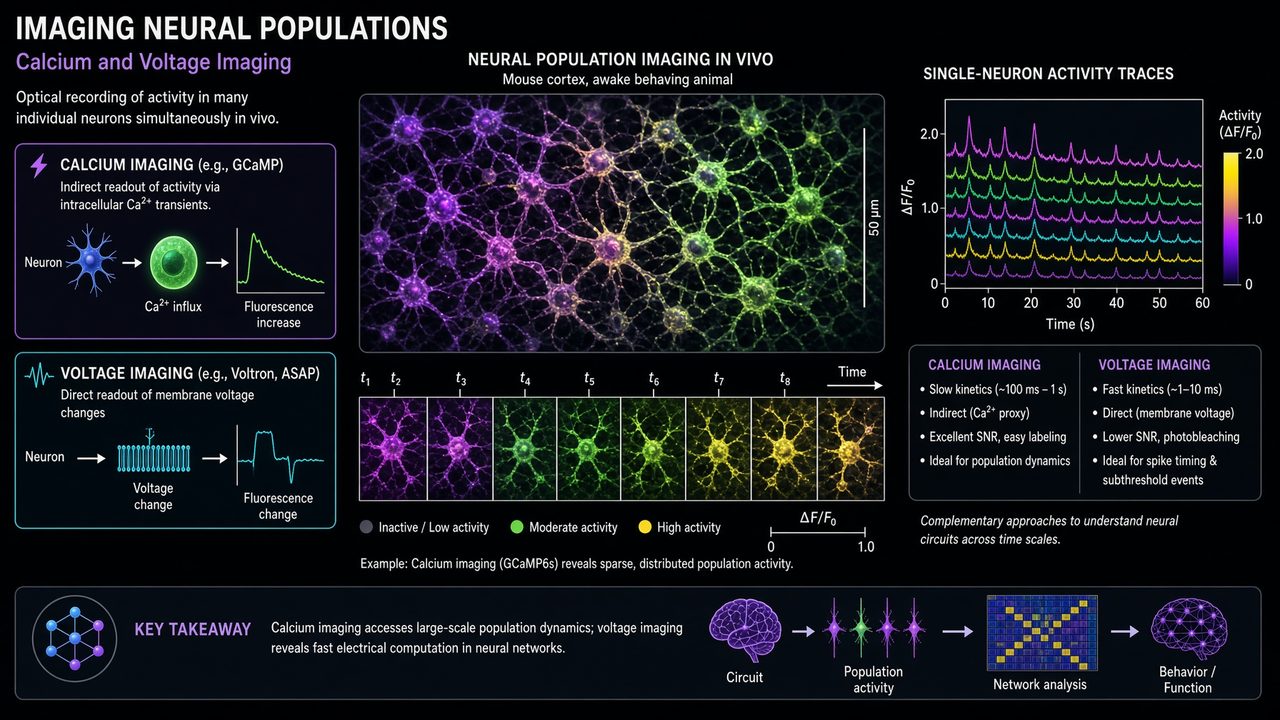
Brain imaging has evolved from simple X-rays to tools that reveal structure, function and chemistry. The coming decade promises scanners that are sharper, more portable and smarter, with potential to change how brain disease is diagnosed and treated.
Ultra-high-field MRI
Standard clinical MRI scanners use 1.5 or 3 tesla magnets. Research scanners at 7 tesla and beyond, and experimental systems at 10.5 and 11.7 tesla, produce images with much finer detail, revealing cortical layers, small vessels and subtle lesions. A French 11.7 tesla scanner has produced images of human brains with resolution approaching a tenth of a millimeter. Clinical use is expanding at 7 tesla for epilepsy and multiple sclerosis.
Portable and low-field MRI
Low-field scanners, around 0.064 tesla, are lightweight, cheaper and can be wheeled to the bedside in intensive care units or taken to remote settings. They produce lower-resolution images but can detect stroke, hemorrhage and hydrocephalus. These could bring imaging to places without access to conventional scanners.
Wearable brain sensors
Optically pumped magnetometer MEG allows people to wear a lightweight helmet and move naturally while brain activity is recorded, including in children. Advances in wearable EEG, functional near-infrared spectroscopy (fNIRS) and ultrasound are enabling brain measurement outside labs.
Functional ultrasound
Functional ultrasound imaging measures changes in blood flow with high resolution and has been used in animals and during neurosurgery and in infants through the fontanelle. It may offer a portable, inexpensive window into brain function.
Molecular imaging
New PET tracers target tau, synaptic density, neuroinflammation and alpha-synuclein, aiming to show disease processes earlier. Combining PET with MRI in a single scanner provides rich information at once.
Artificial intelligence
Machine learning is already assisting with:
- Detecting and measuring hemorrhage, strokes and tumors
- Speeding up scans by reconstructing images from less data
- Quantifying atrophy and predicting progression in dementia
- Segmenting brain structures automatically
- Finding patterns across large datasets to classify disease
Challenges include bias if training data do not represent diverse populations, the need for transparency, regulatory oversight and ensuring that clinicians remain in the loop.
Connectomics and big data
Large projects pool imaging from tens of thousands of people to define normal variation and disease patterns. Individual brain "fingerprints" of connectivity may someday help predict treatment response, though translation to individual-level prediction in psychiatry has been difficult. Many studies need larger and more diverse samples.
Decoding and privacy
Studies have decoded rough representations of words, images and meaning from fMRI with the help of AI, but only with extensive individual training and cooperation. Such advances raise questions about mental privacy and consent that neuroethicists and policymakers are discussing.
Theranostics and image-guided therapy
Imaging increasingly guides treatment, from focused ultrasound for tremor to precisely targeted deep brain stimulation and radiation. Real-time MRI guidance helps surgeons.
Cautions
- Hype. Many promising techniques have yet to be validated in clinical practice.
- Cost and equity. Advanced scanners may widen disparities if they are available only at wealthy centers.
- Overdiagnosis. More sensitive imaging may detect incidental findings that cause anxiety without benefit.
- Reproducibility. Small studies have shown limitations in fMRI findings.
What it means for patients
Expect faster, more detailed and more accessible scans, with earlier detection of brain disease and more personalized care. Keep asking how a scan will change decisions about your care.
Further reading from authoritative sources
- National Institute of Neurological Disorders and Stroke (NINDS)
- National Center for Complementary and Integrative Health (NCCIH)
This article is educational and does not replace advice from a licensed clinician. See the medical disclaimer. Looking for specialist care? Browse the neurology clinic directory.