Using Biofeedback to Build Healthy Routines
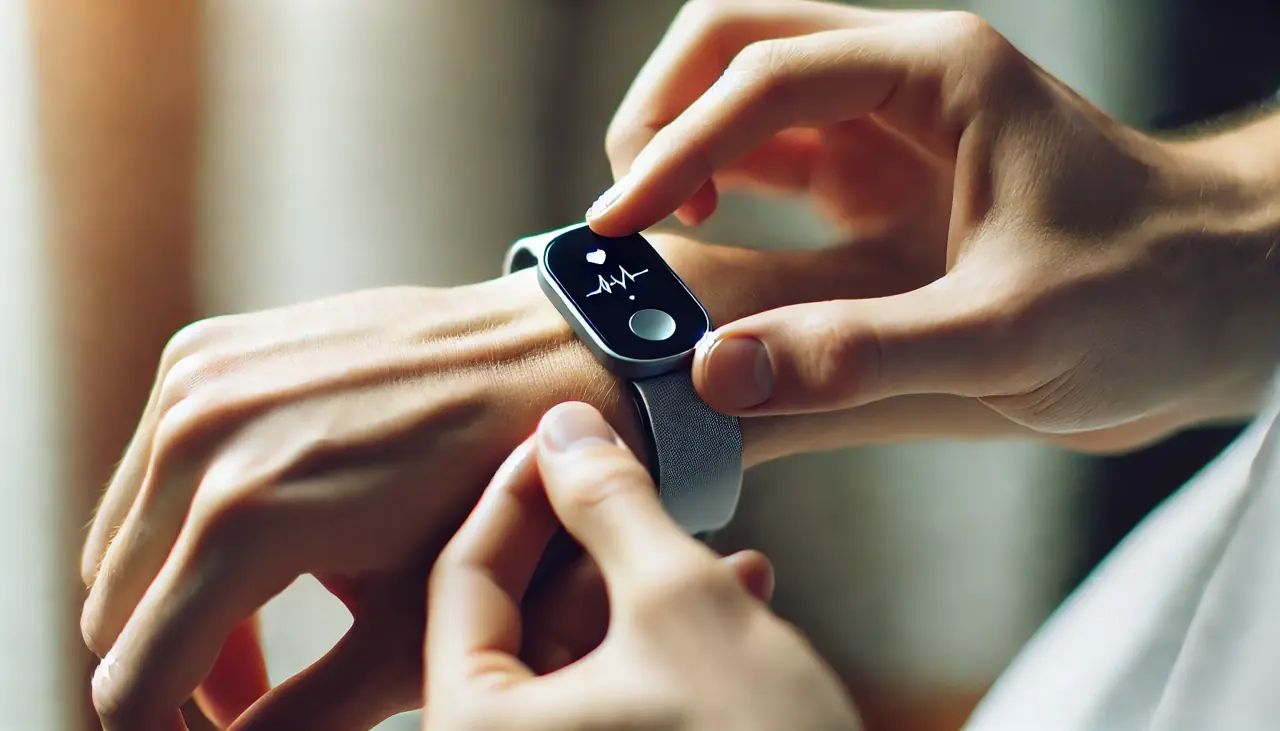
Habits change when we notice what is happening in our bodies and respond. Biofeedback gives that noticing a screen, a sound or a number, which can make good routines more rewarding and easier to maintain.
Why feedback helps habits
Habit formation depends on rewards that arrive quickly. The benefits of sleep, breathing or exercise often take weeks to notice, so the brain gets little reinforcement. Biofeedback supplies an immediate cue, such as a heart rate trace smoothing out or a muscle tension reading falling. Seeing a result strengthens the sense of control, which psychologists call self-efficacy, and supports motivation.
Types of biofeedback useful for routines
- Heart rate variability: guides paced breathing to reduce stress.
- Respiration: shows breathing rate and pattern.
- Muscle tension (EMG): reveals tightness in the jaw, neck and shoulders.
- Skin conductance and temperature: reflect arousal and relaxation.
- Wearable activity and sleep trackers: estimate steps, heart rate and sleep timing, but are not true clinical-grade biofeedback and are only moderately accurate for sleep stages.
- Neurofeedback: trains brain activity patterns with clinical supervision.

Examples of routines
- Morning: a five-minute breathing session with a sensor to start the day calm.
- Workday: hourly movement breaks prompted by a wearable, plus a short relaxation check.
- Evening: wind-down breathing and a consistent bedtime, guided by sleep schedule feedback.
- Exercise: heart rate zones to keep intensity appropriate, which helps beginners avoid overexertion.
- Stress moments: a quick reading before a meeting, followed by slow breathing.
Making it work
- Set a specific goal, such as "practice breathing for ten minutes after dinner."
- Anchor it to an existing cue, such as after brushing your teeth.
- Track a few metrics, not everything.
- Focus on trends, not single readings.
- Celebrate small gains.
- Fade the device: the aim is to learn the skill so that you can do it without a screen.
- Work with a clinician for conditions such as chronic pain, headaches, anxiety, insomnia or high blood pressure.
Cautions
- Orthosomnia: obsessing over sleep data can increase anxiety and worsen sleep.
- Accuracy: consumer devices vary, and numbers can mislead.
- Privacy: check how companies store and share data.
- Medical devices: do not use wearable readings to diagnose conditions.
- Do not replace care: biofeedback supports, but does not substitute for, medical treatment.
A simple starter plan
Pick one routine, such as ten minutes of slow breathing after dinner, and one signal to watch, such as heart rate variability or breathing rate. Do it at the same time daily for two weeks. At the end of each session, write down one word for how you feel. After two weeks, review the pattern: did sessions get easier, did sleep or stress improve, and are you still using the device? If it helps, continue, and if it has become a source of worry, set it aside and rely on how you feel.
When to involve a professional
Recurrent headaches, chronic pain, panic, insomnia and high blood pressure are best handled with a clinician who can combine biofeedback with medical care. A certified provider can also tailor sensors and goals to your needs.
Takeaway
Used thoughtfully, biofeedback turns healthy routines into visible wins. Start simple, keep the goal on how you feel, and let the data serve you.
Further reading from authoritative sources
This article is educational and does not replace advice from a licensed clinician. See the medical disclaimer. Looking for specialist care? Browse the neurology clinic directory.