How Exercise Promotes Neuroplasticity
Neuroplasticity, the brain's ability to change its structure and function, is the basis of learning and recovery. Exercise is among the most powerful natural stimulators of plasticity that scientists have identified.
Molecular drivers
- BDNF (brain-derived neurotrophic factor): exercise increases BDNF in the hippocampus and cortex in animals, and raises circulating levels in humans. BDNF promotes long-term potentiation, dendritic growth and neuron survival. Carl Cotman and Nicole Berchtold documented the effect in rodents.
- IGF-1 and VEGF: insulin-like growth factor 1 and vascular endothelial growth factor cross into the brain with exercise, supporting neurogenesis and capillary growth.
- Lactate and ketones: products of exercise may act as signaling molecules and fuel.
- Myokines and exerkines: molecules released by muscle, liver and fat, including irisin, cathepsin B and clusterin, may influence the brain. A study by Saul Villeda and colleagues showed that plasma from exercised mice improved cognition in sedentary mice.
- Neurotransmitters: dopamine, noradrenaline, serotonin and endocannabinoids rise, supporting motivation and learning.
- Reduced inflammation: chronic inflammation impairs plasticity, and exercise reduces it.
Structural changes
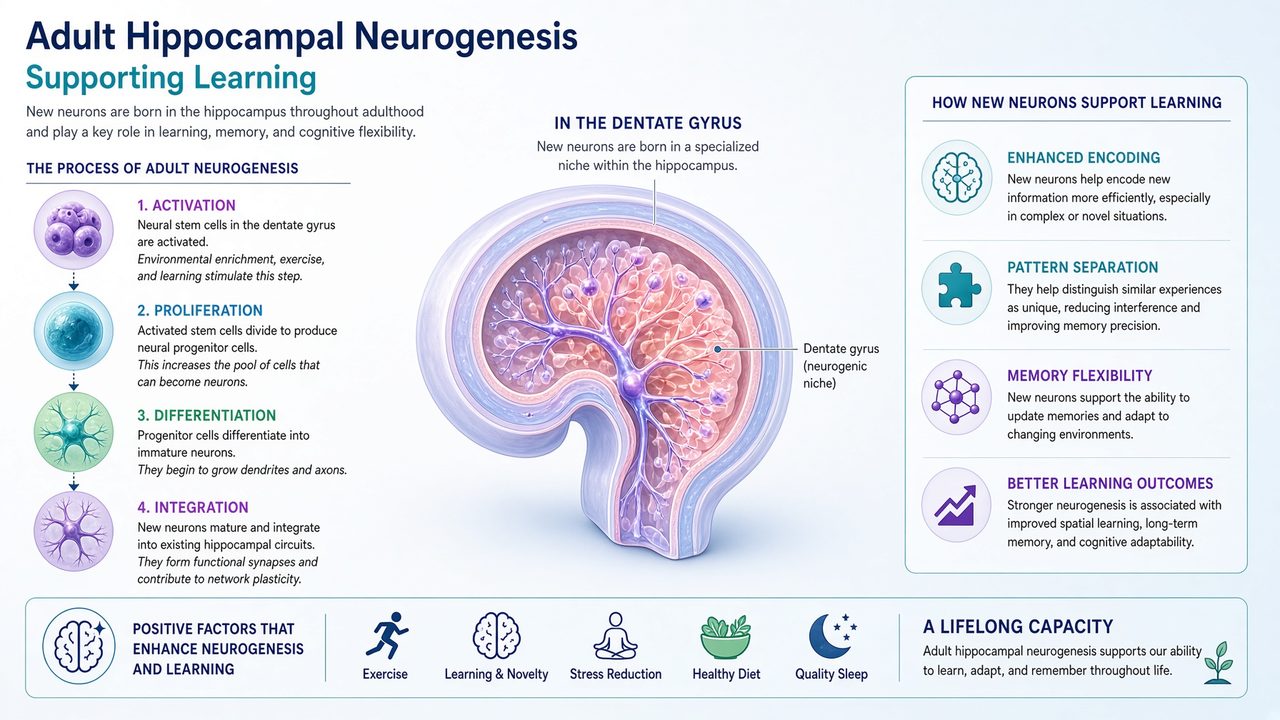
- Neurogenesis: running boosts the birth of new neurons in the dentate gyrus of mice, as shown by Henriette van Praag and Fred Gage. Whether adults make many new hippocampal neurons is debated, but human studies show exercise-related increases in hippocampal volume.
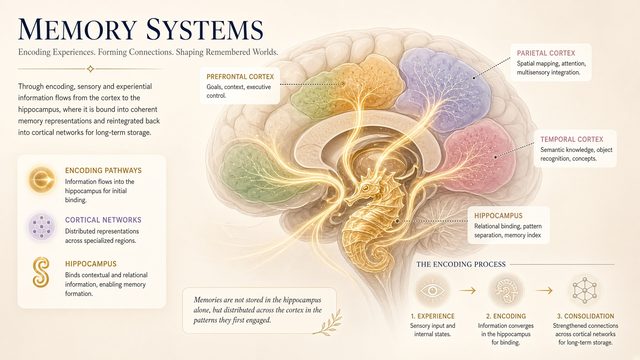
- Synaptic plasticity: more dendritic spines and stronger connections.
- Angiogenesis: growth of new capillaries, improving oxygen and nutrient supply.
- White matter: studies link fitness to white matter integrity.
- Cortical maps: motor learning combined with exercise promotes reorganization in motor areas. After stroke, aerobic exercise primes the brain for rehabilitation.

Evidence in people
- Older adults who trained aerobically for a year had larger hippocampi and better memory, as in the Erickson study.
- Children with higher fitness have larger basal ganglia and hippocampi and better cognitive control.
- Exercise before motor learning enhances skill acquisition and retention, as shown in studies by Marc Roig and others.
- A single bout of exercise increases cortical excitability and plasticity measured by transcranial magnetic stimulation in some studies.
- Exercise has benefits for depression, anxiety and rehabilitation after brain injury, probably partly through plasticity.
Exercise for plasticity: practical guidance
- Combine physical and mental challenge: learn a new sport, dance or skill. Studies in animals show that exercise plus enrichment is more powerful than either alone.
- Exercise before learning or practicing a skill, and review afterward.
- Aim for regular aerobic activity, 150 minutes per week, and add strength and balance training.
- Include variety and novelty to engage different circuits.
- Be patient: structural changes take months.
- Sleep and eat well, since plasticity consolidates during sleep and depends on nutrition.
- Avoid injuries, particularly head injuries, and consider protective equipment.
- Consult clinicians for rehabilitation after stroke or injury, since exercise programs need to be tailored.
Limits of what we know
Much of the detailed molecular evidence comes from animal studies, and human trials rely on imaging, blood markers and cognitive tests that are less direct. Individual responses vary with age, genetics, fitness and sleep, and not everyone shows the same gains. Even so, the pattern across species and study types is consistent enough that regular exercise is widely recommended as a core brain-health habit, and it carries few risks when started gradually.
Takeaway
Exercise primes the brain to change. Combined with learning and rest, it is one of the best tools for building and rebuilding neural circuits.
Further reading from authoritative sources
This article is educational and does not replace advice from a licensed clinician. See the medical disclaimer. Looking for specialist care? Browse the neurology clinic directory.