The Science of Calm: Soothing an Overactive Nervous System
When the nervous system stays on high alert, the body feels tense, the mind races and sleep suffers. The good news is that physiology can be shifted. Understanding how the nervous system calms down offers practical tools to settle it.
The two branches
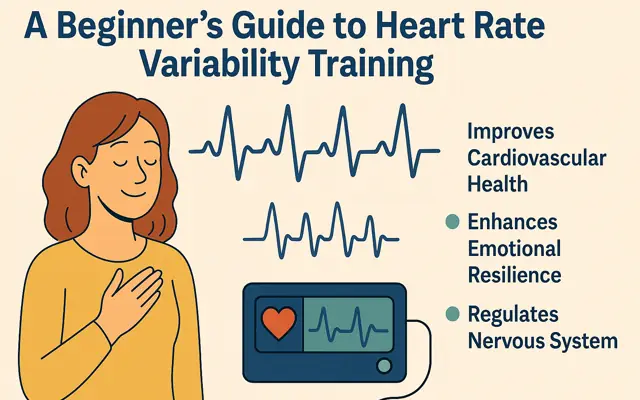
The autonomic nervous system has a sympathetic branch, which mobilizes the body for action by raising heart rate, blood pressure and alertness, and a parasympathetic branch, which supports rest, digestion and recovery. The vagus nerve, the main parasympathetic nerve, slows the heart and signals the brain. Heart rate variability (HRV), the variation in time between heartbeats, reflects vagal influence, and higher resting HRV is associated with better emotional regulation and resilience. Stephen Porges' polyvagal theory, which proposes a hierarchy of autonomic states, has been influential in therapy, but its anatomical claims are disputed by many physiologists, so it is best treated as a metaphor, not settled science.
What an overactive state looks like
Racing heart, shallow breathing, muscle tension, digestive upset, poor sleep, irritability, difficulty concentrating, and constant vigilance can indicate sustained sympathetic activation. Chronic stress, anxiety disorders, PTSD, pain and excess caffeine can all contribute.
Evidence-based ways to calm
- Slow, extended-exhale breathing: breathing at about six breaths per minute, with longer exhalation, increases vagal tone and HRV and reduces anxiety, as shown in reviews of slow breathing. Try inhaling for four seconds and exhaling for six to eight, for five minutes.
- Physiological sigh: a double inhale through the nose followed by a long exhale through the mouth rapidly reduced arousal and improved mood in a 2023 Stanford trial by Melis Yilmaz Balban, David Spiegel and Andrew Huberman, comparing it with mindfulness meditation.
- Progressive muscle relaxation: tensing and releasing muscle groups reduces tension and anxiety.
- Mindfulness and meditation: reduce reactivity, and training increases prefrontal regulation.
- Movement: walking, yoga, tai chi and stretching reduce arousal. Vigorous exercise helps burn off stress hormones over time.
- Cold water on the face: triggers the dive reflex, which slows heart rate, and is used in dialectical behavior therapy for acute distress, though people with heart conditions should check with a doctor.
- Sensory grounding: noticing five things you see, hear or feel, holding a warm mug, or using calming scents may help.
- Nature and music: reduce stress markers.
- Warmth and touch: supportive touch, hugs, weighted blankets and warm baths can promote relaxation, with modest evidence.
- Social connection: co-regulation with a calm, trusted person lowers arousal.
- Biofeedback: HRV and breathing feedback helps people practice and learn to reach calm states.
- Sleep and routine: regular sleep schedules, limits on caffeine and alcohol, and wind-down rituals.
- Therapy: CBT and acceptance-based therapies treat underlying anxiety and trauma.
What not to expect
Calming techniques reduce arousal but do not remove every source of stress. Some people with trauma may feel uncomfortable during relaxation or meditation and need guided approaches. If anxiety is persistent or disabling, professional help is warranted.
A simple routine
1. Sit comfortably and lengthen your spine. 2. Inhale gently for four counts through the nose. 3. Exhale for six to eight counts, relaxing your shoulders and jaw. 4. Repeat for five minutes, noticing sensations. 5. Practice daily, and use in moments of stress.
Takeaway
Calm is not just the absence of stress but a state you can cultivate. With regular practice, the nervous system learns to settle more easily.
Further reading from authoritative sources
- National Institute of Mental Health (NIMH)
- National Center for Complementary and Integrative Health (NCCIH)
This article is educational and does not replace advice from a licensed clinician. See the medical disclaimer. Looking for specialist care? Browse the neurology clinic directory.