How Fiber Affects the Brain
Fiber is best known for keeping digestion regular, but it also feeds the trillions of microbes in the gut, and their activity appears to influence the brain. Research is emerging on how a fiber-rich diet affects mood, cognition and risk of disease.
What fiber does
Dietary fiber is the part of plant foods that humans cannot digest. Soluble fiber (oats, beans, apples) dissolves in water, slows digestion and lowers cholesterol. Insoluble fiber (whole grains, vegetables) adds bulk. Many fibers are prebiotics, which are fermented by colon bacteria into short-chain fatty acids (SCFAs) such as butyrate, acetate and propionate.
How fiber may influence the brain
- SCFAs and the gut barrier: butyrate fuels colon cells and strengthens the gut lining, which may limit leakage of inflammatory molecules into the bloodstream.
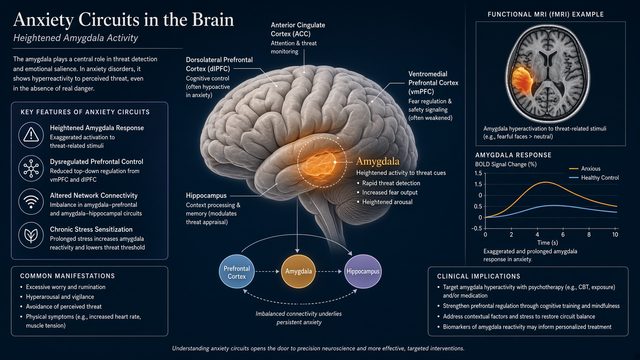
- Immune and inflammatory signaling: SCFAs reduce inflammation, and in animals regulate microglia, the brain's immune cells, as in work by Marco Prinz and colleagues showing that gut microbes affect microglial maturation.
- Gut hormones and the vagus nerve: SCFAs stimulate gut hormones such as GLP-1 and PYY, and signal through the vagus nerve to the brain, which affects appetite and mood.
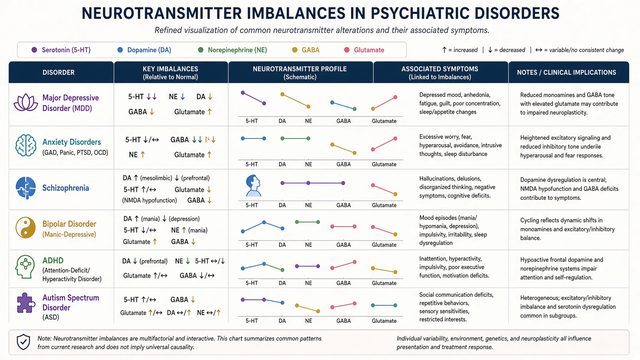
- Neurotransmitter precursors: gut bacteria modulate tryptophan metabolism and can produce neuroactive compounds such as GABA.
- Blood sugar and vascular health: fiber slows glucose absorption, improves cholesterol and blood pressure, and lowers diabetes risk, which protects the brain.

What studies show
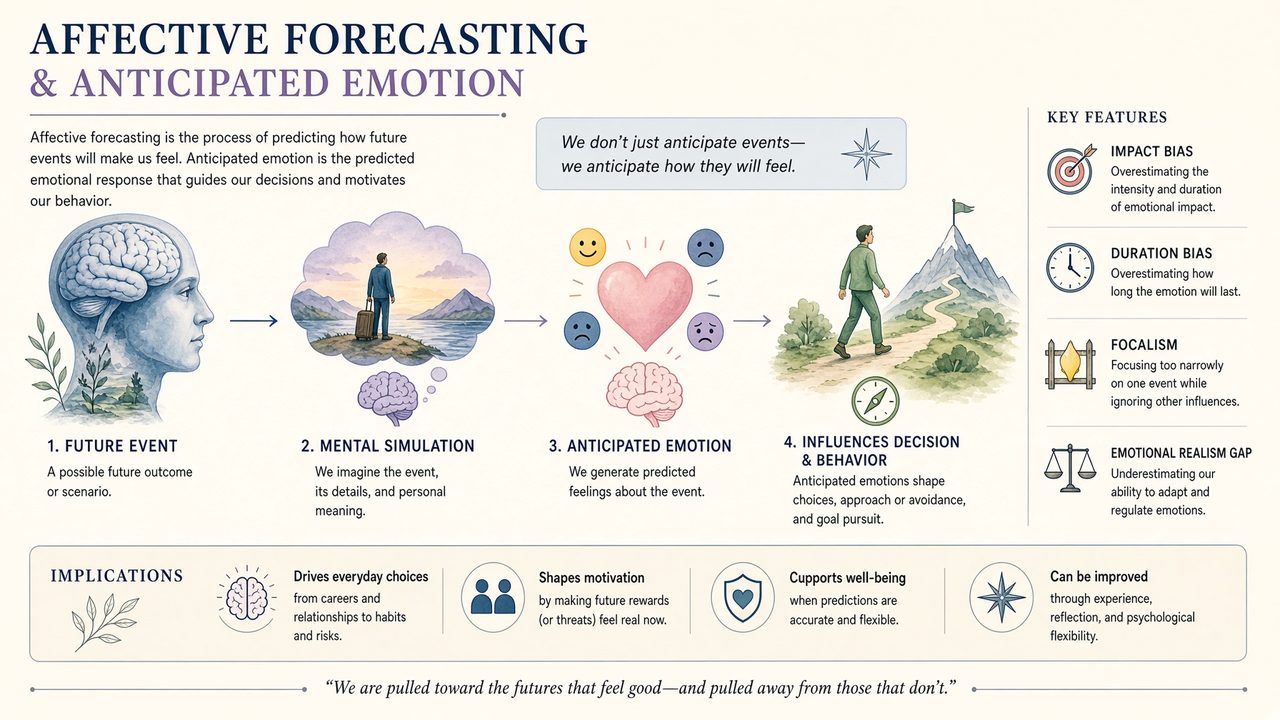
- Mood: observational studies link higher fiber and fruit and vegetable intake with lower risk of depression. A meta-analysis found that higher fiber intake was associated with lower risk of depressive symptoms. Randomized trials are limited.
- Cognition in older adults: studies have reported associations between fiber-rich diets and better cognition, and a trial of prebiotic supplementation (inulin and fructo-oligosaccharides) found improvements in memory tasks in older adults in one small study. Another trial in older adults with a prebiotic improved gut microbiota and some cognitive measures. Evidence is early.
- Stress: a trial of the prebiotic galacto-oligosaccharide by Kathrin Schmidt and Philip Burnet found reduced cortisol responses and attentional bias toward negative information in healthy volunteers.
- Dementia and stroke risk: diets rich in fiber, such as the Mediterranean and MIND diets, are associated with lower risk.
- Longevity: higher fiber intake is associated with lower all-cause mortality, according to large cohort studies and meta-analyses.
- Animal studies: high-fiber diets in mice improved memory and reduced inflammation in some models, and low-fiber diets reduced microbial diversity and impaired memory.
How much and how to get it
Recommended intake is about 25 grams per day for women and 38 grams for men, or 14 grams per 1,000 calories, but most adults in the United States get about 15 grams. Good sources:
- Legumes: beans, lentils, chickpeas
- Whole grains: oats, barley, brown rice, whole wheat
- Vegetables and fruits, especially with skins, berries, and leafy greens
- Nuts and seeds, such as chia and flax
Tips
- Increase gradually, over weeks, to avoid gas and bloating, and drink plenty of water.
- Diversify plants: aim for many different plant foods each week, since variety supports microbial diversity. Researchers in the American Gut Project found that people eating 30 or more plant types per week had more diverse microbiomes.
- Choose whole foods over fiber supplements, if possible.
- Add fermented foods such as yogurt, kefir, kimchi and sauerkraut.
- Talk to your doctor if you have inflammatory bowel disease, IBS or other digestive conditions, since certain fibers may trigger symptoms.
Takeaway
Fiber is food for your gut microbes, and through them, a quiet supporter of brain and mental health. Eating more plants is a simple way to help.
Further reading from authoritative sources
This article is educational and does not replace advice from a licensed clinician. See the medical disclaimer. Looking for specialist care? Browse the neurology clinic directory.