How Sun Exposure Affects Mood
Many people feel better on a bright day and flatter during gray winters. That experience is backed by biology: light entering the eyes and skin influences mood-related brain chemistry and the body's internal clock.
How light reaches the brain
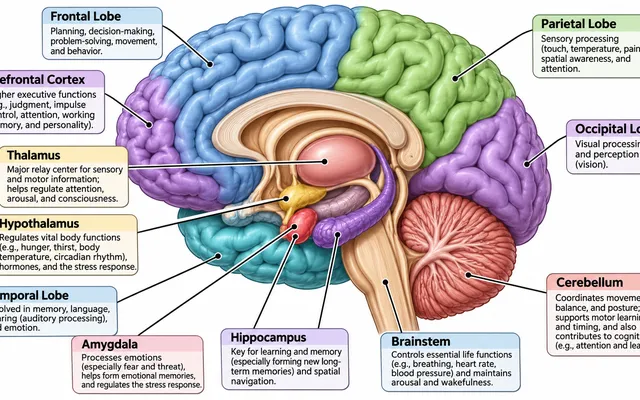
Specialized retinal cells containing melanopsin detect blue-enriched daylight and send signals to the suprachiasmatic nucleus, the brain's master clock. This signal sets the timing of melatonin release, body temperature, cortisol and alertness. Light also reaches regions involved in mood regulation, including connections to the raphe nuclei, which produce serotonin, and to the habenula and amygdala. Outdoor daylight is much brighter than indoor lighting, often thousands to over 100,000 lux versus about 100 to 500 lux in typical rooms.
What research suggests
- Serotonin: a study in The Lancet by Gavin Lambert and colleagues found that serotonin turnover in the brain was higher on bright days and rose with the number of hours of sunlight, supporting a link between light and serotonin activity.
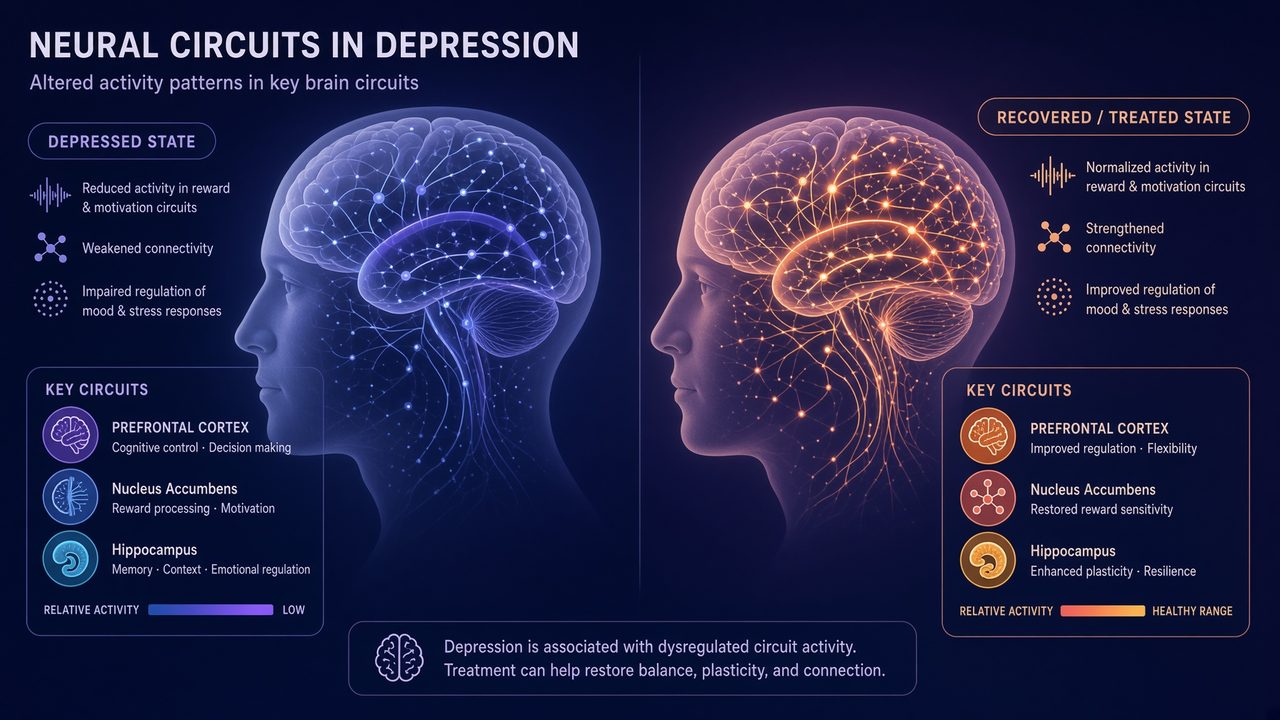
- Seasonal affective disorder: winter-pattern depression is linked to reduced daylight and delayed circadian phase. Bright light therapy of about 10,000 lux for 20 to 30 minutes each morning is a recommended treatment, with trials showing benefit comparable to antidepressants for some people.
- Nonseasonal depression: some trials suggest that bright light helps, alone or combined with medication, though results are less consistent.
- Sleep: morning light advances the circadian clock and improves sleep timing, which in turn influences mood.
- Vitamin D: skin produces vitamin D with UVB exposure. Low vitamin D is associated with depression in observational studies, but randomized supplement trials, including large ones such as VITAL, have generally not shown that vitamin D prevents depression in people who are not deficient.
- Other effects: sunlight exposure is associated with lower blood pressure in some studies, through nitric oxide release in the skin, and with greater physical activity.

Balancing benefits and risks
Excess ultraviolet exposure causes skin cancer, premature aging and eye damage. Mood benefits mainly come from bright light, not from tanning. Short periods of daylight, especially in the morning, are sufficient. Skin cancer risk depends on skin type, sun intensity and total exposure, so people at risk should use protection.
Getting light safely
- Go outside in the morning, even for 10 to 30 minutes, ideally within an hour or two of waking. Cloudy days still provide much more light than indoors.
- Take breaks outdoors at midday, such as walking at lunch.
- Use window light by working near windows, and open blinds.
- Wear sunscreen, hats and sunglasses during longer or midday exposure.
- Consider a light box for winter blues, choosing a device that filters UV and provides 10,000 lux, and use it according to instructions. People with bipolar disorder, eye disease or those taking photosensitizing medications should consult a doctor first, since light can trigger mania in some people.
- Dim lights in the evening to keep melatonin rhythms healthy.
- Seek help: persistent low mood, loss of interest, or thoughts of self-harm need professional care, and light is a complement, not a replacement.
Takeaway
Daylight is a free tool for steadying mood and sleep. Morning light, sensible sun protection and professional care when needed make a healthy mix.
Further reading from authoritative sources
This article is educational and does not replace advice from a licensed clinician. See the medical disclaimer. Looking for specialist care? Browse the neurology clinic directory.