Magnesium and the Nervous System
Magnesium is involved in more than 300 enzyme reactions and plays a central role in the nervous system, from calming overexcited neurons to supporting energy production. Many people consume less than recommended, but the evidence for supplements is mixed.
What magnesium does in the brain
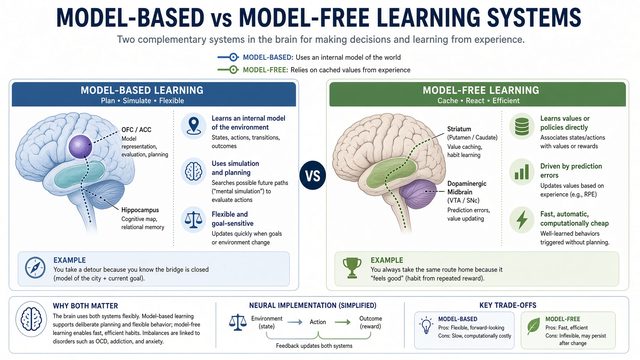
- NMDA receptors: magnesium blocks the NMDA glutamate receptor channel at resting potential, preventing overexcitation, and regulates synaptic plasticity. Guosong Liu and colleagues at MIT showed that raising brain magnesium with the compound magnesium-L-threonate improved learning and memory in rats, and a small human trial in older adults reported cognitive improvements, though research is early.
- Calcium channels and neurotransmitter release: acts as a natural calcium blocker.
- GABA and stress response: magnesium supports GABA activity and modulates the HPA axis.
- Energy: needed for ATP use in every cell.
- Muscle and nerve function: low magnesium causes cramps, tremor and, severely, seizures.
- Blood vessels and blood pressure: magnesium relaxes vessels.
Evidence for health outcomes
- Sleep: small trials suggest that magnesium supplementation improves subjective sleep quality in older adults and people with low intake, but studies are small and the quality of evidence is low.
- Depression and anxiety: observational studies link low dietary magnesium with higher depression risk. A randomized trial by Emily Tarleton and colleagues found that magnesium supplementation improved depression scores in adults with mild to moderate depression in six weeks. Evidence for anxiety is limited and inconsistent.
- Migraine: guidelines from the American Academy of Neurology and American Headache Society classify magnesium as probably effective for migraine prevention, typically at 400 to 600 mg per day, and intravenous magnesium is used in some emergency settings.
- Cognitive decline: higher dietary magnesium is associated with larger brain volume and lower dementia risk in some studies, such as one from the UK Biobank, though causation is not established.
- Stroke and traumatic brain injury: trials of magnesium as a neuroprotective agent after stroke and in prehospital care did not show benefit.
- Pregnancy: magnesium sulfate prevents seizures in preeclampsia, and protects the fetal brain in preterm birth.
- Premenstrual symptoms and restless legs: some limited evidence.

Who is at risk of low magnesium
Typical diets, particularly those low in whole grains, nuts, legumes and greens, may be marginal. Risk increases with chronic alcohol use, diabetes, gastrointestinal disease, diuretics and proton pump inhibitors, and aging.
Food sources and intake
Recommended intake is about 310 to 320 mg per day for women, and 400 to 420 mg for men. Good sources include pumpkin seeds, almonds, cashews, spinach, black beans, whole grains, avocado, dark chocolate and fish.
Supplement tips
- Forms: magnesium citrate, glycinate and threonate are better absorbed than oxide, which is more likely to cause diarrhea.
- Limits: the tolerable upper limit for supplemental magnesium is 350 mg per day for adults, and higher amounts can cause diarrhea, cramps, and, with kidney disease, dangerous accumulation.
- Interactions: magnesium can interact with antibiotics, bisphosphonates and some other medications, so separate dosing and check with a pharmacist.
- Kidney disease: do not use supplements without medical advice.
- Talk to a clinician before using magnesium for sleep, migraines or mood, especially if you take medications.
Takeaway
Magnesium is an important mineral for calm, steady nerves. Eating magnesium-rich foods is a good first step, and supplements are best used with guidance.
Further reading from authoritative sources
This article is educational and does not replace advice from a licensed clinician. See the medical disclaimer. Looking for specialist care? Browse the neurology clinic directory.