The Role of Habits in Brain Health
Much of what we do each day runs on autopilot. Habits are efficient, and they can either protect your brain or quietly work against it. Understanding how habits form makes it easier to build helpful ones and change unhelpful ones.
How habits form in the brain
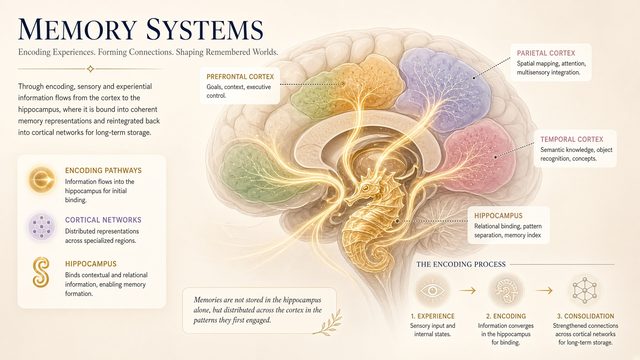
Early in learning, behavior depends on the prefrontal cortex and the dorsomedial striatum, which handle goals and deliberate choices. With repetition in a stable context, control shifts toward the dorsolateral striatum, part of the basal ganglia, and behavior becomes automatic and triggered by cues. Ann Graybiel's work at MIT showed in rats that neural activity in these circuits begins to "chunk" action sequences, with firing marking the start and end of a routine. Dopamine signals reward and strengthens associations between cues and actions.
The habit loop
Writers such as Charles Duhigg popularized a three-part model drawn from this research:
- Cue: a trigger such as a time, place, emotion or preceding action
- Routine: the behavior itself
- Reward: the benefit that reinforces it
Understanding the loop helps you change it. Often the best approach is to keep the cue and reward and swap the routine.

How long do habits take?
A study by Phillippa Lally and colleagues at University College London found that new habits took an average of about 66 days to become automatic, with a wide range from 18 to 254 days depending on the person and the behavior. Missing a single day did not significantly derail the process. So the popular "21 days" claim is not well supported.
Habits that support brain health
- Regular sleep and wake times, which reinforce circadian rhythms
- Daily movement, such as a morning walk
- Balanced meals and hydration
- Social contact, such as a weekly call or class
- Learning, such as reading before bed or practicing a language
- Stress relief, such as breathing exercises or short mindfulness sessions
- Limiting alcohol, tobacco and late caffeine
- Medication and health checks on schedule
Strategies that work
- Start tiny: BJ Fogg's research at Stanford suggests that very small behaviors, like two minutes of stretching, are easier to anchor and can grow.
- Attach to existing routines: "after I brush my teeth, I will take my supplements" uses an established cue, a technique called implementation intention.
- Design your environment: put walking shoes by the door and remove cues for unwanted habits, such as snacks on the counter.
- Make rewards immediate: track progress, enjoy the activity, or pair it with something pleasant.
- Plan for obstacles: decide in advance what you will do when tired, busy or traveling.
- Use social support: friends, groups and accountability partners.
- Be forgiving: one lapse does not erase progress.
- Change one thing at a time, and build up gradually.
Breaking unwanted habits
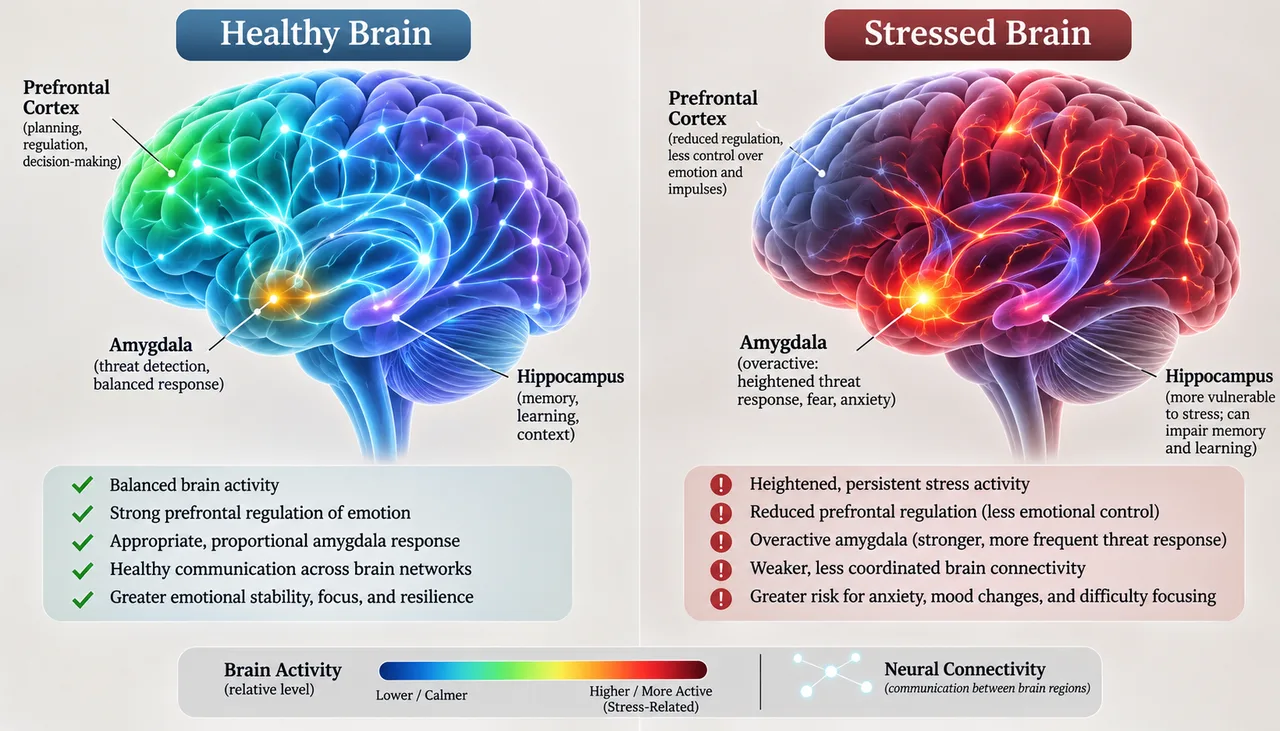
Old habit memories do not vanish. Instead, new learning competes with them, so cues can revive old behavior, especially under stress. Avoiding triggers, substituting alternatives and practicing in the same context where cues occur are effective. For habits that feel out of control, such as substance use, professional help is valuable.
Takeaway
Habits convert good intentions into automatic action. Small, well-anchored routines practiced consistently can quietly support your brain for decades.
Further reading from authoritative sources
This article is educational and does not replace advice from a licensed clinician. See the medical disclaimer. Looking for specialist care? Browse the neurology clinic directory.