Heart Rate Variability and Sleep Quality

Sleep and heart rhythm are tightly linked. During healthy sleep, the nervous system shifts toward parasympathetic dominance, and heart rate slows. Heart rate variability (HRV), the small beat-to-beat changes in timing, offers a window into this shift, and training HRV is being studied as a way to improve sleep.
HRV across the night
HRV changes with sleep stage. During deep non-REM sleep, parasympathetic activity dominates, and heart rate is lowest and most regular, with strong high-frequency variation linked to breathing. During REM sleep, autonomic activity becomes more variable, heart rate fluctuates, and sympathetic bursts occur. Overall, a pattern of strong parasympathetic activity during deep sleep is considered healthy.
HRV and sleep disorders
- Insomnia. Studies find that people with insomnia often show heightened sympathetic activity and lower HRV during sleep, consistent with physiological hyperarousal.
- Sleep apnea. Repeated breathing interruptions cause swings in heart rate and blood pressure and disturb HRV.
- Shift work and sleep deprivation. These can lower HRV and impair recovery.
- Stress and anxiety. Higher stress levels are associated with lower HRV and worse sleep quality.
The relationships go in both directions: poor sleep reduces HRV, and low HRV may make sleep more fragile.

What wearables measure
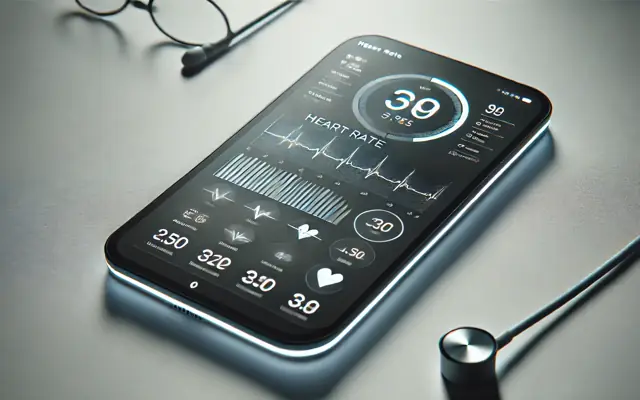
Many smartwatches and rings estimate overnight HRV, heart rate and sleep stages. HRV measured by optical sensors is reasonably accurate in resting conditions but less reliable with movement. Sleep staging from wearables is less accurate than laboratory polysomnography, particularly for distinguishing light from deep sleep. HRV varies widely between people, so it is most useful to track your own trends over time rather than comparing with others. Fixating on scores can create anxiety, sometimes called orthosomnia, that worsens sleep.
HRV biofeedback for sleep
HRV biofeedback trains slow, paced breathing, typically around six breaths per minute, while viewing a live display of heart rhythm. Small studies and trials have reported benefits for sleep onset, sleep quality and sleep-related anxiety, along with increased parasympathetic activity. Slow breathing before bed may lower arousal, and the training reduces daytime stress, which also helps sleep. Evidence is promising but limited by small samples and varied methods.
How to practice before bed
1. Choose a quiet time, 30 to 60 minutes before bed. 2. Sit or lie comfortably. 3. Breathe slowly, inhaling through the nose for about four seconds and exhaling for about six. 4. Follow a pacing tool if you use one, for 10 to 20 minutes. 5. Let thoughts pass without struggling. 6. Practice regularly, since skills build over weeks.
Supporting HRV and sleep
- Keep a regular sleep and wake time.
- Exercise regularly, though not intensely right before bed.
- Limit alcohol, which lowers HRV and fragments sleep.
- Avoid heavy meals and caffeine late in the day.
- Keep the bedroom cool and dark.
- Manage stress with relaxation, mindfulness or therapy.
When to seek help
Persistent insomnia, loud snoring with gasping, unexplained daytime sleepiness or irregular heartbeat warrant evaluation. Cognitive behavioral therapy for insomnia remains the first-line treatment for chronic insomnia and can be combined with biofeedback.
Bottom line
HRV is a useful marker of how your nervous system handles rest, and HRV biofeedback is a low-risk technique that may support better sleep. Use wearable data as a general guide, not a diagnosis.
Further reading from authoritative sources
- National Institute of Neurological Disorders and Stroke (NINDS)
- National Center for Complementary and Integrative Health (NCCIH)
This article is educational and does not replace advice from a licensed clinician. See the medical disclaimer. Looking for specialist care? Browse the neurology clinic directory.