Biofeedback in Integrative Medicine: The Big Picture
Integrative medicine combines conventional treatment with evidence-informed complementary approaches, focusing on the whole person. Biofeedback is a natural fit, because it is based on measurable physiology and teaches self-management skills.
Where it fits
Integrative programs at medical centers, such as pain clinics, cancer centers, rehabilitation units and behavioral health programs, increasingly offer biofeedback along with therapies such as mindfulness, exercise, nutrition counseling, acupuncture, massage and psychotherapy. The goal is better outcomes with fewer side effects, and greater patient empowerment.
Evidence by condition
- Pelvic floor disorders, urinary incontinence and constipation due to dyssynergic defecation: biofeedback is a first-line, well-supported treatment in guidelines.
- Migraine and tension headache: thermal and electromyographic biofeedback have shown benefit in meta-analyses, and the U.S. Headache Consortium rated it as having grade A evidence for migraine prevention.
- Raynaud's disease: temperature training can help.
- Hypertension: modest effects from device-guided breathing and biofeedback.
- Anxiety, stress and insomnia: heart rate variability biofeedback shows moderate benefits in reviews, with variable study quality.
- Chronic pain and fibromyalgia: some benefit as part of multimodal care.
- Temporomandibular disorders and bruxism
- Asthma and breathing disorders: respiratory training
- ADHD and epilepsy: neurofeedback has some support, though controversy and mixed evidence remain.
- Rehabilitation after stroke: electromyographic biofeedback can aid muscle retraining.
- Postconcussion symptoms and PTSD: emerging evidence

Combining approaches
Biofeedback pairs with cognitive behavioral therapy, relaxation, yoga, tai chi, physical therapy and medication. In some cases it may allow reductions in medication, under medical supervision. It builds skills that patients use daily, and gives clinicians objective data on progress.
Safety and quality
Biofeedback is generally safe and noninvasive. Concerns include delayed care for serious conditions, overpromising, unproven claims, and costly open-ended programs. Choose practitioners with credentials, such as certification through the Biofeedback Certification International Alliance, and training in a licensed health profession. Share your plan with your physician, ask about evidence for your condition, agree on goals and time frames, and be cautious about devices that claim to treat disease without evidence.
For patients
Think of biofeedback as learning a skill, like physical training for the nervous system. Practice between sessions, track your progress, and keep your care team informed.
Putting it into practice
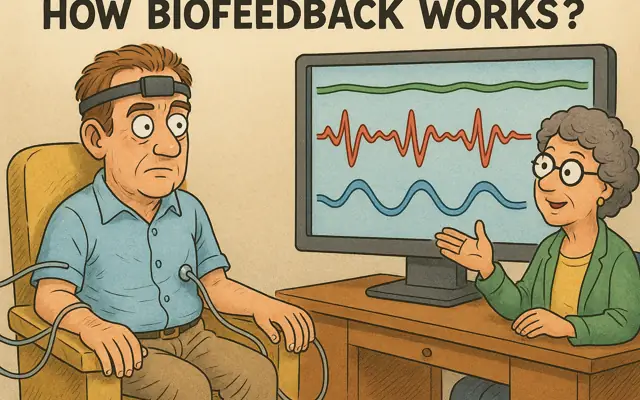
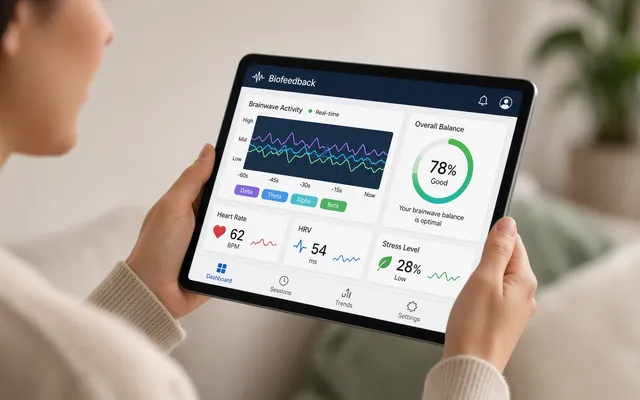
A typical course involves an initial assessment, setting goals, sensors placed on the skin or a finger, real-time displays of signals, coaching in breathing or relaxation, and home practice, over about six to twelve sessions depending on the condition. Progress is reviewed with symptom diaries and physiological measures. Clinicians in integrative programs coordinate with physicians, so that medicines, diagnoses and warning signs are monitored. Cost, insurance coverage and travel are practical points to discuss early, and many providers can suggest low-cost home tools once the basic skills are learned.
Questions to ask a provider
- What is your training and certification?
- What evidence supports this for my condition?
- How many sessions do you expect, and how will we measure progress?
- What will it cost, and is any of it covered?
- How will you communicate with my doctor?
Takeaway
Biofeedback offers a practical bridge between mind and body. Within an integrated plan, it can help people do more for their own health.
Further reading from authoritative sources
- National Institute of Neurological Disorders and Stroke (NINDS)
- National Institute of Mental Health (NIMH)
- National Center for Complementary and Integrative Health (NCCIH)
This article is educational and does not replace advice from a licensed clinician. See the medical disclaimer. Looking for specialist care? Browse the neurology clinic directory.