Using Biofeedback to Manage Jet Lag
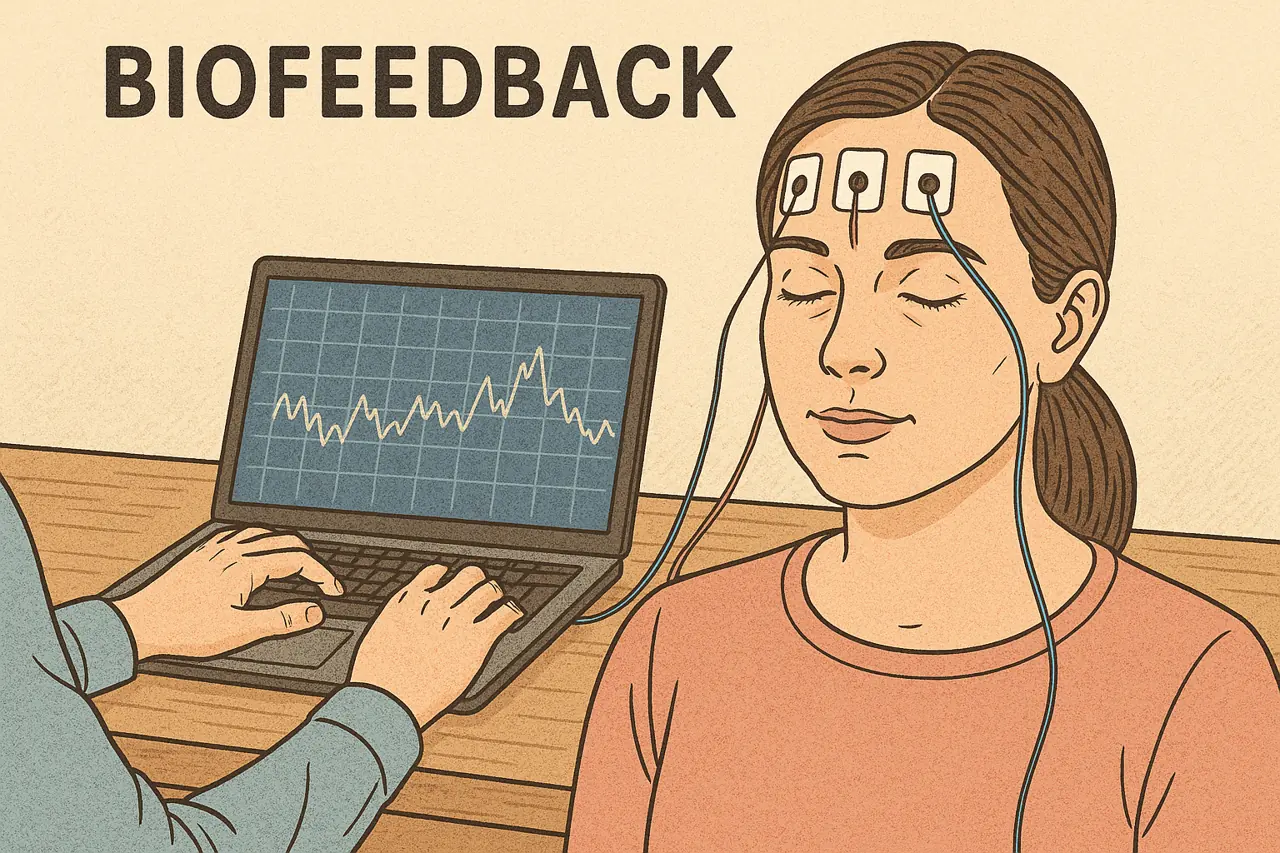
Jet lag is fundamentally a clock problem, which light and timing address. But the stress, tension and poor sleep that accompany long travel are where biofeedback can help. It is a supportive tool, not a cure.
Where biofeedback fits
The main drivers of jet lag recovery are light exposure, sleep timing and, in some cases, melatonin, as discussed elsewhere. Biofeedback complements them by:
- Reducing arousal during travel and at bedtime in a new time zone, when the body wants to be awake
- Improving sleep onset through relaxation skills
- Offering objective data such as resting heart rate and heart rate variability, which are often disrupted in jet lag and can show recovery
- Managing travel stress and anxiety about flying
Useful forms
- HRV biofeedback and slow breathing: practicing resonance breathing, about six breaths per minute, before sleep and when waking at night. Studies in other contexts show improved HRV, reduced anxiety and better sleep quality with regular practice. Evidence specific to jet lag is limited, so the benefits are inferred from general relaxation research.
- Respiration pacing apps: portable and usable on planes and in hotels.
- EMG and relaxation training: to release neck and shoulder tension after long flights and cramped seating.
- Temperature feedback: warming hands and feet supports heat loss and sleep onset.
- Wearables: trackers can record resting heart rate and HRV trends, showing recovery over days, though sleep-stage estimates are imperfect.

A practical travel plan
- Before the trip: practice HRV breathing or relaxation for one to two weeks, so the skill is automatic. Begin shifting sleep and light timing.
- On the plane: use slow breathing to rest, and sleep according to destination time. Avoid alcohol, and stay hydrated.
- On arrival: get light at the right times for your direction, and use short naps if needed.
- At the new bedtime: do 10 to 15 minutes of paced breathing or progressive relaxation, with a dark, cool room, an eye mask and earplugs.
- If you wake in the night: use slow breathing and avoid checking the time or phone, and do not worry about being awake.
- Monitor progress: compare morning resting heart rate and HRV, mood and sleepiness over several days. Do not obsess over numbers.
- Combine with other strategies: timed light, melatonin if advised by a clinician, consistent meals and exercise.
Limits and cautions
Biofeedback does not change the clock itself, and over-reliance on devices can add stress. People with heart rhythm problems, panic disorder with breathing sensitivity, or on certain medications should check with a clinician before starting breathing practices that involve prolonged breath holding or hyperventilation. Slow, gentle breathing is generally safe.
Short trips and frequent travelers
For trips of one or two days, many travelers do best staying close to home time and using relaxation skills to rest whenever possible. Frequent flyers can make breathing practice part of every departure and arrival, so that it becomes a reliable habit. Pair it with a packing list that supports sleep, such as an eye mask, earplugs and a small light for reading, and with realistic plans that avoid scheduling demanding work in the first night's biological hours.
Takeaway
Use biofeedback as a way to calm the body while light and timing reset the clock. Together, they ease the journey across time zones.
Further reading from authoritative sources
- National Institute of Neurological Disorders and Stroke (NINDS)
- National Center for Complementary and Integrative Health (NCCIH)
This article is educational and does not replace advice from a licensed clinician. See the medical disclaimer. Looking for specialist care? Browse the neurology clinic directory.