Dreams and Trauma: The Role of REM Sleep
After a traumatic event, many people dream about it repeatedly, or find their sleep haunted by nightmares. REM sleep, the stage most associated with vivid dreaming, appears to play a central role in how the brain processes emotional experiences, and when trauma disrupts it, recovery can stall.
REM and emotional memory
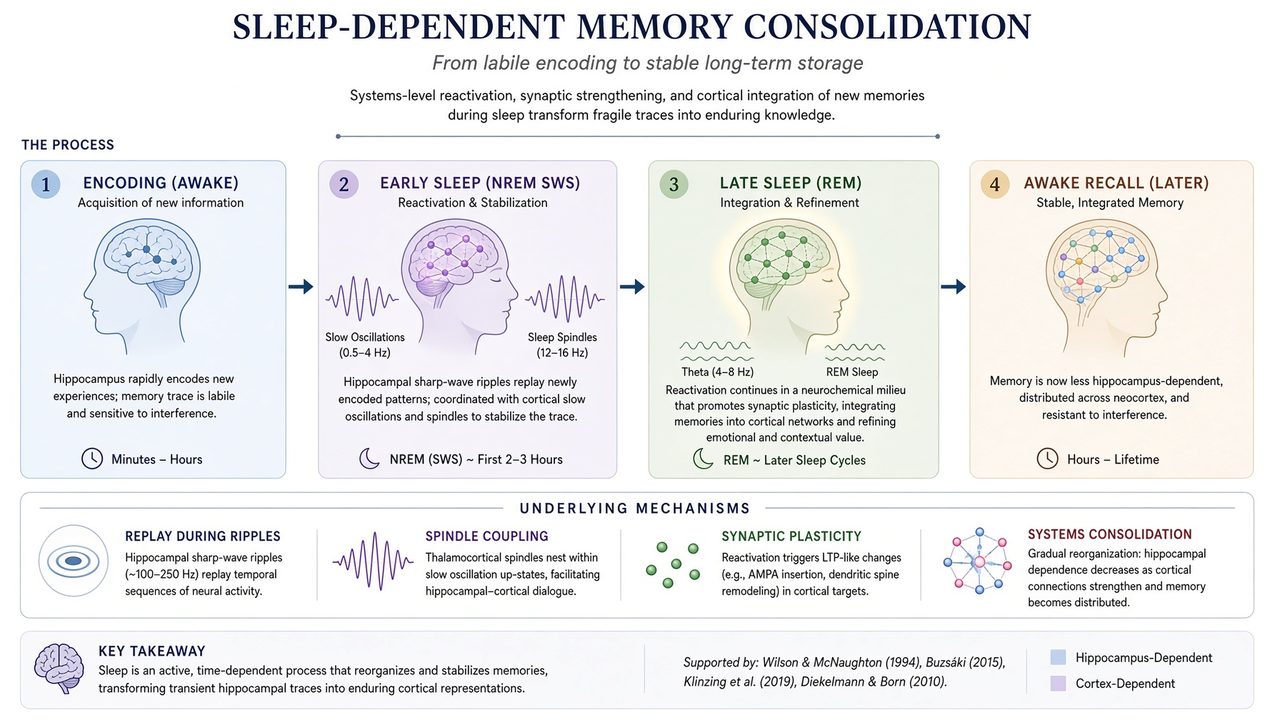
During REM sleep, levels of noradrenaline, the brain's main alarm chemical, fall to their lowest point, while emotional brain regions such as the amygdala and hippocampus remain active. Matthew Walker and Els van der Helm proposed that this allows the brain to reactivate emotional memories without the stress response, gradually stripping the memories of their emotional charge while retaining the information. Dreams may reflect this processing, often combining recent experiences with older memories and emotion.
What happens in PTSD
- Nightmares: a hallmark symptom, often replaying elements of the trauma or featuring related fear themes. Nightmares can occur in both REM and, less commonly, in non-REM sleep.
- Fragmented REM: studies of sleep in PTSD, including those by Thomas Neylan and Richard Ross, found disrupted REM continuity, with more awakenings from REM, elevated heart rate and sympathetic activity, and enhanced REM muscle activity.
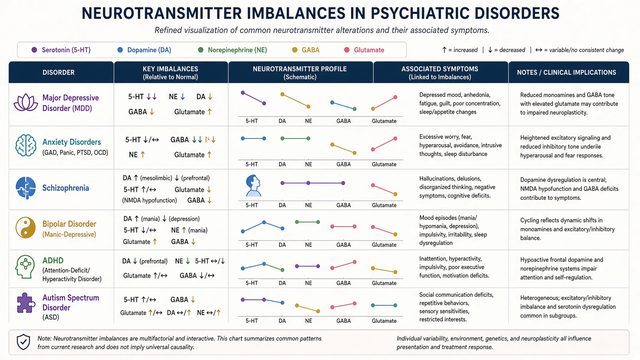
- Noradrenaline: elevated activity during REM in PTSD may prevent the normal "softening" of memory, in line with a model proposed by Ross and colleagues.
- Other findings: insomnia, hyperarousal, sleep apnea and acting out dreams are common in trauma-exposed people, particularly veterans.
- Role in risk: some studies suggest that disturbed REM sleep in the weeks after trauma predicts later PTSD, though results are mixed.

Nightmare disorder beyond PTSD
Recurrent nightmares occur in people with anxiety, depression, borderline personality traits, and medications such as some antidepressants, beta-blockers and withdrawal from alcohol or REM-suppressing drugs. Idiopathic nightmares occur in people with no trauma history.
Treatments with evidence
- Imagery rehearsal therapy (IRT): the patient writes down a recurring nightmare, changes it in any way they choose, and rehearses the new version in imagination for 10 to 20 minutes a day. Randomized trials show that IRT reduces nightmare frequency and PTSD symptoms, and it is recommended by the American Academy of Sleep Medicine.
- Prazosin: an alpha-1 blocker that reduces noradrenergic activity. Early trials in veterans showed benefits, but a large VA trial published in 2018 by Murray Raskind and colleagues found no advantage over placebo for nightmares overall, and the evidence is mixed, so the guidelines are cautious. A doctor can weigh benefits and risks, such as low blood pressure.
- Cognitive behavioral therapy for insomnia (CBT-I) improves sleep and PTSD symptoms in trauma-exposed adults.
- Trauma-focused therapies: prolonged exposure, cognitive processing therapy and EMDR often reduce nightmares along with other symptoms.
- Exposure, relaxation and sleep dynamic therapy are also used.
- Avoid alcohol, which suppresses REM and causes rebound nightmares.
- Review medications with a clinician if nightmares began after starting or stopping a drug.
Self-care for disturbed dreaming
- Keep a regular sleep schedule and enough sleep.
- Create a calm bedtime routine with relaxation or breathing practice.
- Make the bedroom safe and comforting, with dim lighting if helpful.
- Ground yourself after a nightmare: orient to the room, name five things you see, slow your breathing, and avoid replaying the dream. Get up and do something calm if you cannot return to sleep.
- Talk about dreams with a trusted person or therapist if it helps.
- Seek help if nightmares occur frequently, disturb sleep or functioning, or are accompanied by thoughts of self-harm. In the United States, call or text 988.
Takeaway
REM sleep is a nightly workspace for emotional memory, and trauma can jam it. Treating nightmares directly can restore sleep and ease the broader healing process.
Further reading from authoritative sources
- National Institute of Neurological Disorders and Stroke (NINDS)
- National Center for Complementary and Integrative Health (NCCIH)
This article is educational and does not replace advice from a licensed clinician. See the medical disclaimer. Looking for specialist care? Browse the neurology clinic directory.