How the Brain Learns New Languages
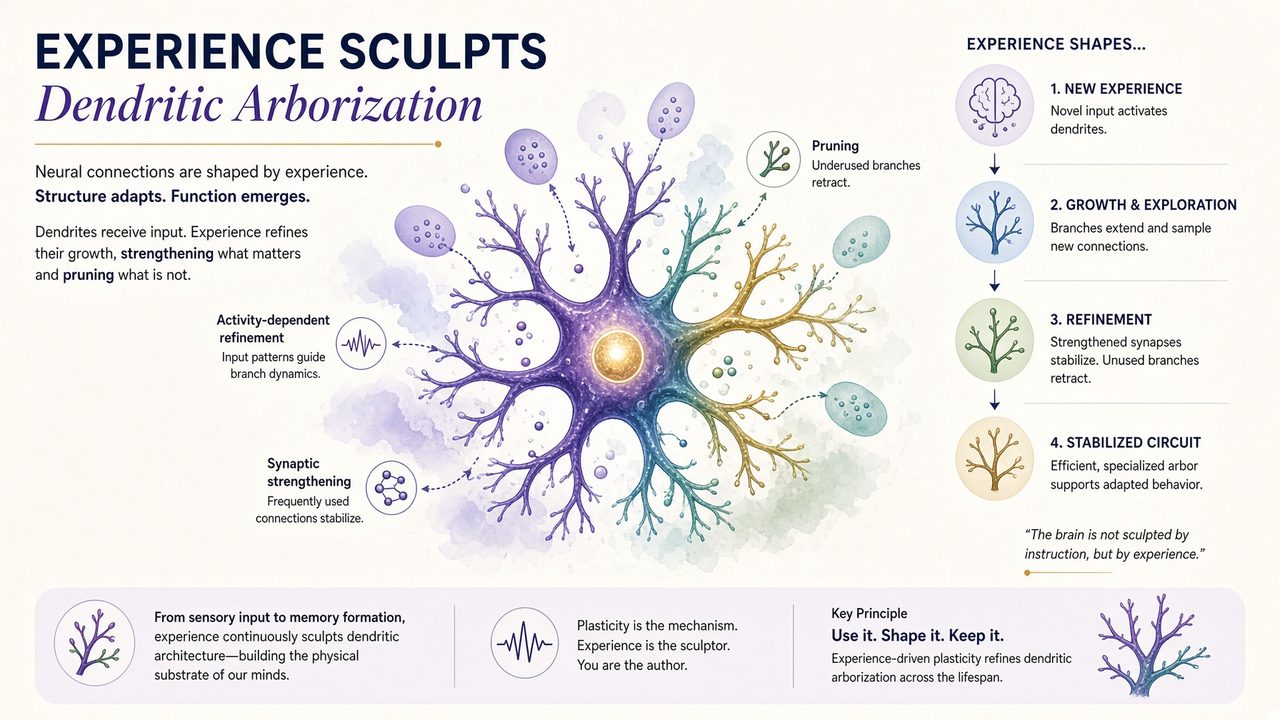
Learning a language reshapes the brain. Imaging studies show that the process draws on networks for memory, hearing, speech production and cognitive control, and that it can change gray matter, white matter and connectivity. Age matters, but adults can learn effectively.
Brain areas involved
- Left inferior frontal gyrus (Broca's area): grammar and speech production
- Left superior temporal and middle temporal regions (Wernicke's area): comprehension and word meaning
- Hippocampus: learning new vocabulary, especially early on
- Basal ganglia: supporting procedural aspects of grammar, pronunciation and switching between languages
- Prefrontal and anterior cingulate cortex: cognitive control for selecting the right language and suppressing the other
- Auditory cortex: discriminating new speech sounds
- Cerebellum: timing and articulation
First language and second language
A first language is acquired implicitly in early childhood. A second language learned later tends to rely more on explicit, hippocampus-dependent learning, and more on prefrontal control, at least at first. With high proficiency and early learning, the second language may overlap more with first language areas.

Critical periods
Infants begin life able to distinguish speech sounds from all languages. By around ten to twelve months, they lose the ability to discriminate sounds not in their native language, as shown by Patricia Kuhl's research, while their sensitivity to native sounds sharpens. Early exposure produces more native-like accent and grammar. Evidence suggests a gradual decline in grammar learning ability after about age ten to seventeen, rather than a sharp cutoff, as shown in a large study of English learners. Adults, however, often learn vocabulary and grammar rules faster initially thanks to better memory strategies and literacy, even if their accent is more likely to remain noticeable.
What changes in the brain
- Gray matter density increases in language areas, such as the left inferior parietal cortex, in bilinguals and in people learning languages intensively. A study of Swedish military interpreters found growth in the hippocampus and cortical regions after three months of intensive training.
- White matter connectivity strengthens in language tracts.
- Functional changes include more efficient processing as proficiency grows.
- Bilingual advantage debates: some studies reported better executive control in bilinguals, and others found little effect. Consistent findings suggest that bilingualism may delay symptoms of dementia by several years in some populations, though evidence is mixed and influenced by confounding factors.
How to learn effectively
- Practice daily, since frequent exposure supports consolidation.
- Focus on comprehensible input. Listening and reading material slightly above your level builds vocabulary and grammar.
- Speak early and often, since production practice trains motor and retrieval systems.
- Use spaced repetition for vocabulary, with retrieval practice instead of re-reading.
- Learn in context and use words in sentences and conversation.
- Train your ear with minimal pair exercises and exposure to native speakers.
- Sleep, because sleep consolidates new vocabulary.
- Use multiple senses: combine audio, text and images.
- Embrace mistakes and feedback.
- Stay motivated by connecting learning to meaningful goals and social interaction.
- Immersion helps, whether living abroad or building immersive routines at home.
Brain health benefits
Learning a language is a mentally challenging activity associated with plasticity, and may support cognitive reserve. It also supports social connection and cultural understanding.
Takeaway
The brain can learn languages at any age. Younger learners have advantages in accent and implicit learning, but adults can reach high proficiency by using regular, meaningful practice.
Further reading from authoritative sources
- National Institute of Neurological Disorders and Stroke (NINDS)
- National Center for Complementary and Integrative Health (NCCIH)
This article is educational and does not replace advice from a licensed clinician. See the medical disclaimer. Looking for specialist care? Browse the neurology clinic directory.