Adolescent Brain Development: What Parents Should Know
Adolescence is a period of remarkable brain change. Between roughly ages 10 and the mid-twenties, the brain refines its wiring, shifts its sleep timing and becomes increasingly sensitive to social experience. Understanding these changes can help parents respond with empathy and more effective strategies.
What is changing
Pruning and myelination
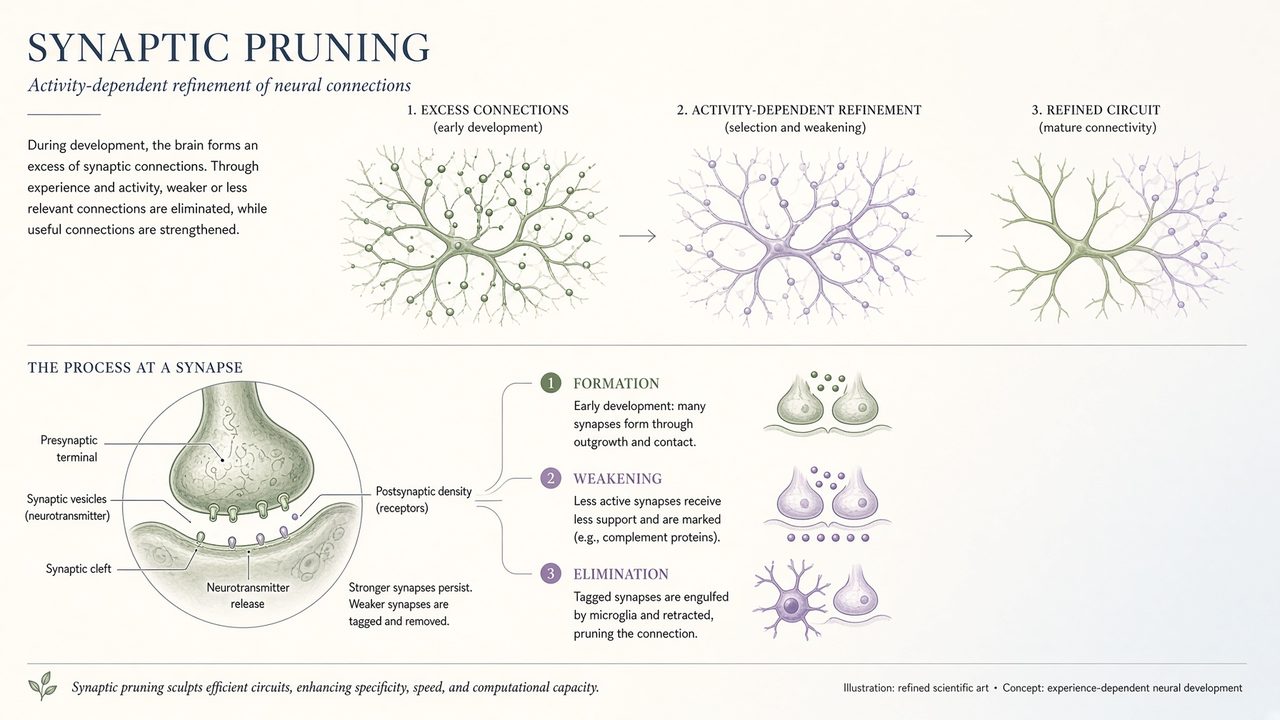
As in early childhood, adolescence involves pruning of seldom-used synapses and continued myelination, which makes brain networks more efficient. The prefrontal cortex, which supports planning, impulse control and weighing consequences, is among the last regions to mature, with development continuing into the mid-twenties.
Reward and motivation systems
Dopamine-related reward circuits become highly responsive during adolescence. Teens tend to be more sensitive to rewards and social feedback, which promotes exploration and learning but can also lead to risk-taking. Many researchers describe this as a mismatch in timing between systems that drive motivation and those that support self-control, although the picture is more nuanced than a simple "gas pedal and weak brakes" idea.
Social brain
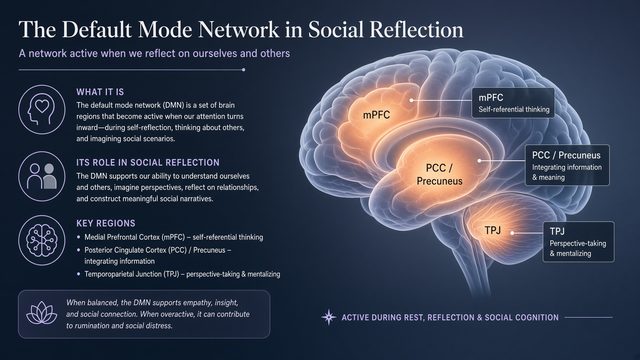
Teens are exquisitely attuned to peers. Brain regions that process social information become highly active, and acceptance and rejection are strongly felt. In one well-known experiment using a simulated driving task, adolescents took more risks when friends were watching, while adults did not show the same increase.
Sleep
Puberty shifts the internal clock later, so teens naturally feel sleepy later at night and wake later in the morning. Most need about eight to ten hours of sleep. Early school start times and late-night screen use cause widespread sleep deprivation, which affects mood, attention, learning and safety. Pediatric and sleep medicine organizations have supported later school start times.

Mental health
Many mental health conditions first appear in adolescence. Epidemiological research indicates that half of lifetime mental disorders begin by about age 14 and three-quarters by the mid-twenties. Anxiety, depression, eating disorders and substance use are among the concerns. Because teens are plastic and responsive, early help can be very effective.
Risk-taking is not all bad
Seeking novelty drives learning, independence and identity development. The goal is not to eliminate risk but to provide opportunities for healthy challenges, such as sports, music, drama, jobs and volunteering, while limiting the most dangerous ones.
What parents can do
1. Stay connected. Warm, supportive relationships remain the strongest protective factor. Make time to talk without lecturing. 2. Set clear, consistent limits with explanations. Teens do best with both warmth and structure. 3. Protect sleep. Encourage regular schedules, limit late-night device use and discuss school start times if possible. 4. Model behavior. Teens watch how adults manage stress, alcohol and technology. 5. Talk about substances, driving and relationships honestly and early. Brain development makes alcohol and nicotine particularly risky during adolescence. 6. Support autonomy gradually, allowing teens to make decisions and learn from consequences within safe boundaries. 7. Notice warning signs such as persistent sadness, withdrawal, big changes in sleep or appetite, self-harm or talk of suicide.
Technology and social media
Research on social media and adolescent well-being is mixed and still evolving. Effects appear to vary by individual and by how technology is used. Reasonable guidelines include keeping devices out of the bedroom at night, encouraging in-person time and discussing online experiences openly.
When to seek help
If your teen shows signs of depression, severe anxiety, self-harm, substance misuse or disordered eating, contact a pediatrician or mental health professional. In the United States, anyone in crisis can call or text 988.
The takeaway
Adolescence is a sensitive and creative period. With patience, structure and support, parents can help teens use their plastic, curious brains to grow into capable adults.
Further reading from authoritative sources
- National Institute of Mental Health (NIMH)
- National Institute of Neurological Disorders and Stroke (NINDS)
This article is educational and does not replace advice from a licensed clinician. See the medical disclaimer. Looking for specialist care? Browse the neurology clinic directory.