The Science of Brain Autopsies: What They Reveal
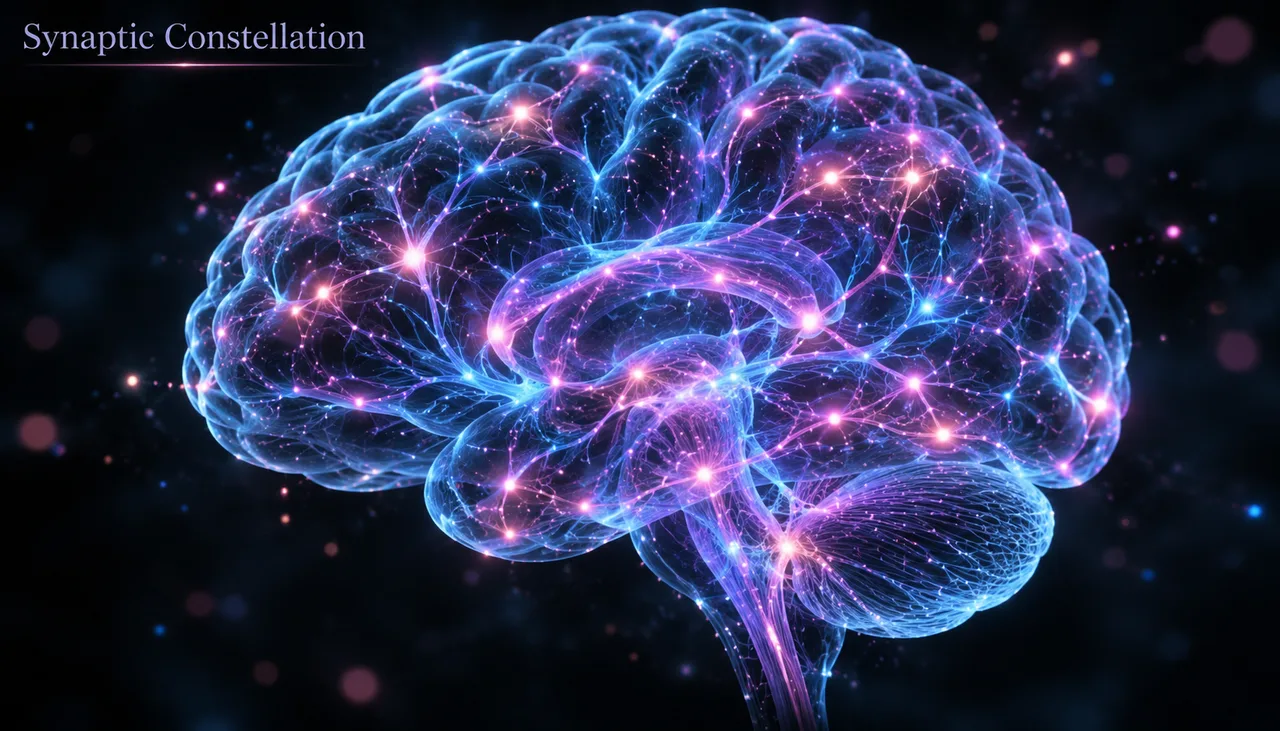
Despite all the advances in scans and blood tests, the definitive diagnosis of many brain diseases still depends on examining brain tissue after death. Brain autopsies and donations are among the most valuable contributions to research.
What neuropathologists look for
After death, a neuropathologist examines the brain's appearance, weight and structure, then samples regions for microscopic study using special stains and antibodies. They search for features such as:
- Amyloid plaques and tau tangles in Alzheimer's disease
- Lewy bodies, clumps of alpha-synuclein in Parkinson's disease and dementia with Lewy bodies
- TDP-43 inclusions in frontotemporal dementia, ALS and limbic-predominant age-related TDP-43 encephalopathy
- Vascular damage: infarcts, microbleeds and small vessel disease
- Prion disease: such as Creutzfeldt-Jakob disease
- Chronic traumatic encephalopathy: a pattern of perivascular tau
- Tumors, infections and other causes
What research has revealed
- Mixed pathology is common: many older adults with dementia have more than one pathology, such as Alzheimer's plus vascular disease or Lewy bodies. Studies at Rush University and elsewhere show that mixed pathology is more frequent than pure disease, which has implications for treatment.
- Pathology without symptoms: some people with substantial plaques and tangles had no cognitive symptoms, the evidence behind cognitive reserve and resilience.
- Clinical accuracy: clinical diagnosis of Alzheimer's has historically been wrong in a significant minority of cases when compared with autopsy, which underscores the value of biomarkers.
- Understanding disease progression: staging systems such as Braak staging of tau spread were developed from autopsy studies.
- Validating new tests: blood and imaging biomarkers are checked against pathology.
- Genetics and risk factors: brain banks provide tissue for studies of genes, inflammation and protein aggregation.
Why donation matters
Brain banks, including those affiliated with Alzheimer's Disease Research Centers funded by the National Institute on Aging, provide the tissue and clinical data that researchers need. Healthy control brains are also needed, since comparisons require brains without disease. People can pledge donation in advance and register with a research center, and families can authorize it.
What families should know
- Plan ahead: arrange donation before death, since timing matters, and tell family and the care team.
- Contact a program: many centers coordinate transport and are free to families.
- Funeral plans: donation does not typically prevent an open-casket funeral.
- Results: many programs provide a neuropathology report to families, which can give closure and information about genetic risk.
- Ethics: donation is voluntary, consent is required and privacy is protected.
Common questions
Many people wonder whether donation delays burial or costs money. Most research programs arrange everything and cover costs, and the process is conducted respectfully. Not everyone is eligible, for example when certain infections are present, so it helps to check with the program in advance. Talk to family early so that everyone understands the wish, and carry a card or record of your decision.
Takeaway
Brain autopsies turn a final act of generosity into lasting knowledge. For families, they can provide answers, and for science, they remain essential.
Further reading from authoritative sources
This article is educational and does not replace advice from a licensed clinician. See the medical disclaimer. Looking for specialist care? Browse the neurology clinic directory.