Group Biofeedback: Social Support and Self-Regulation
Biofeedback is usually delivered one-on-one, but some programs teach groups, combining shared learning with social support. Group formats may lower costs, increase motivation and let participants practice regulation skills together.
What it looks like
A group session might include education about stress physiology, guided slow breathing, demonstration of sensors with volunteers, and practice using handheld devices or apps. Some programs use equipment for each participant, with display screens showing each person's heart rate variability or skin conductance, while others use a shared display or teach skills using a few devices. Sessions usually run 45 to 90 minutes, weekly, over several weeks, with home practice.
Why groups?
- Social support and normalization. Participants learn they are not alone in their struggles.
- Peer learning. Hearing how others apply skills sparks ideas.
- Accountability. Regular attendance and sharing progress improve adherence.
- Cost-effectiveness. One clinician can teach many people.
- Practice in social contexts, which is useful for conditions like social anxiety.
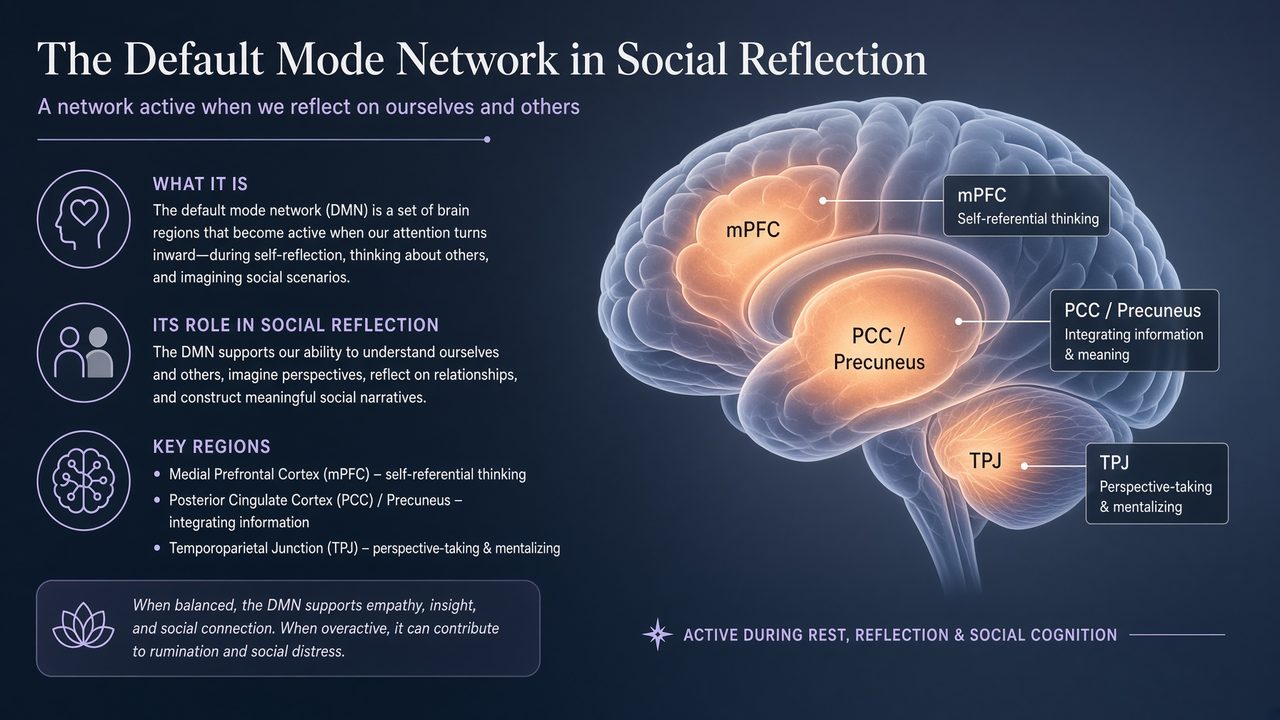
- Co-regulation. People's physiology can sync with others, and calm group environments may help individuals settle.
Where it has been used
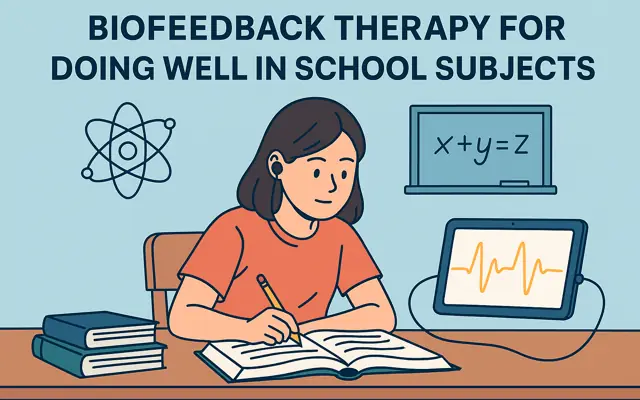
- Schools, where classes learn paced breathing and HRV techniques to reduce test anxiety and improve focus
- Veterans and military, with groups teaching resilience and stress management, and for PTSD symptom management as an adjunct to therapy
- Healthcare workers, with programs aimed at burnout and stress
- Athletes and performers practicing breathing before competition
- Chronic pain and headache programs, with group relaxation and biofeedback training
- Older adults, for relaxation, sleep and well-being
- Community mental health settings
- Cardiac rehabilitation and chronic illness programs
What research suggests
Studies of group HRV biofeedback and relaxation training report reductions in stress, anxiety and depressive symptoms in students and employees, though many studies are small and not randomized, and control conditions vary. For some conditions, group delivery appears comparable to individual training, but direct comparisons are limited. Group cognitive behavioral therapy has strong evidence, and biofeedback components can complement it.
Limits and considerations
- Less personalization. Individual physiology differs, and a clinician cannot fine-tune each person's protocol as easily.
- Privacy. Some people feel uncomfortable sharing in groups.
- Equipment. Providing sensors for each participant adds cost.
- Screening. Individuals with significant medical or psychiatric problems may need individual evaluation first.
- Quality varies. Training and credentials of facilitators differ.
Finding a group
Check clinics, hospitals, universities, veterans' centers, employee assistance programs and community health centers. Look for facilitators with biofeedback certification, such as from the Biofeedback Certification International Alliance, or licensed mental health clinicians. Ask about evidence, group size, cost, equipment and what you will take home.
Getting the most from a group
1. Attend regularly. 2. Practice daily at home. 3. Share your experiences and listen to others. 4. Apply skills in real situations. 5. Track your progress with a simple log. 6. Combine it with other care as recommended by your clinician.
Bottom line
Group biofeedback is a practical, social way to learn regulation skills. It may suit people who benefit from peer support and shared practice, and can be a useful complement to individual care.
Further reading from authoritative sources
- National Institute of Mental Health (NIMH)
- National Institute of Neurological Disorders and Stroke (NINDS)
- National Center for Complementary and Integrative Health (NCCIH)
This article is educational and does not replace advice from a licensed clinician. See the medical disclaimer. Looking for specialist care? Browse the neurology clinic directory.