How Housing Affects Brain Health
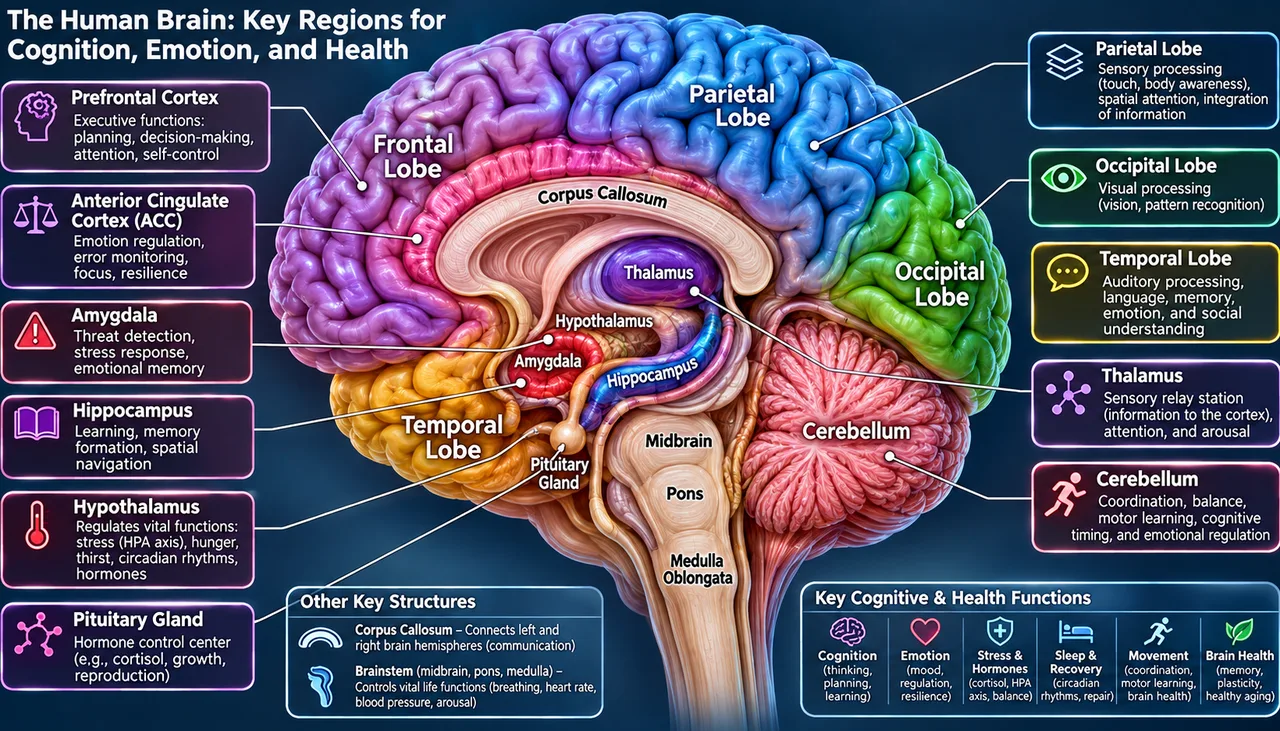
Home is where people sleep, recover and spend much of their time. Housing conditions, affordability and stability are social determinants of health, and they have effects on the brain.
Housing stability and stress
Evictions, frequent moves and unaffordable rent create chronic stress. Studies have linked housing instability to depression, anxiety, poor sleep and worse health outcomes in adults, and to developmental and behavioral problems in children. Children who move frequently may have more school disruption and difficulties with attention and learning.
Homelessness
People experiencing homelessness have much higher rates of traumatic brain injury, mental illness, substance use and cognitive impairment. Brain injuries can contribute to homelessness, and homelessness exposes people to violence and further injury. Housing First programs, which provide permanent housing without preconditions, have been shown in studies including the Canadian At Home/Chez Soi trial to improve housing stability and some health outcomes.

Physical hazards
- Lead paint and pipes: in older housing, lead is a major neurotoxin that harms children's development.
- Mold and dampness: associated with respiratory problems and in some studies with depression and cognitive effects.
- Carbon monoxide: poorly vented heaters and appliances can cause poisoning, with headache, confusion and, if severe, brain damage. Working detectors are essential.
- Radon and indoor air pollutants
- Pests and allergens
- Heat and cold: inadequate heating or cooling affects sleep and cognition.
- Noise and crowding: reduce sleep and increase stress.
Neighborhood context
Safety, walkability, access to green space and social connection shape health. Moving families from high-poverty to lower-poverty neighborhoods in the Moving to Opportunity experiment was associated with improvements in adult mental health and some outcomes for girls, though effects varied.
Aging in place
For older adults and people with dementia, home design matters. Good lighting, clear paths, grab bars, reduced clutter and consistent layout reduce falls and confusion. Housing that supports independence and nearby community services can delay the need for institutional care.
Steps individuals can take
- Install smoke and carbon monoxide detectors and check them regularly
- Test for lead and radon if your home is old or in a high-risk area
- Fix leaks and mold promptly
- Create a restful bedroom: dark, quiet, cool
- Improve lighting and reduce trip hazards
- Seek help from housing assistance programs, legal aid and community organizations if facing eviction or unsafe conditions
Policy
Affordable housing, tenant protections, code enforcement, lead abatement and supportive housing improve population brain health.
Children and housing
Children in unstable or substandard housing face higher risk of asthma, lead exposure, sleep disruption and school problems. Stable homes allow routines, homework space and friendships that support development. Pediatric clinics increasingly screen for housing problems and connect families to help.
Home as a place of recovery
For people recovering from stroke, concussion or surgery, a calm, well-lit and uncluttered home supports rest and rehabilitation, and caregivers and occupational therapists can suggest adaptations.
Renters and owners
Renters can document problems in writing, know their legal rights and contact local housing authorities when landlords fail to fix hazards. Owners can use weatherization and rehabilitation programs.
Takeaway
A safe, stable home is a foundation for a healthy brain. Housing policy is brain health policy.
Further reading from authoritative sources
- National Institute of Mental Health (NIMH)
- National Institute of Neurological Disorders and Stroke (NINDS)
This article is educational and does not replace advice from a licensed clinician. See the medical disclaimer. Looking for specialist care? Browse the neurology clinic directory.