How Social Isolation Affects the Brain
Social isolation, the objective lack of contact, and loneliness, the feeling of being alone, are both common and linked to health problems. They affect the brain and body in several ways.
Health and brain effects
- Mood: loneliness is a risk factor for depression and anxiety, and the relationship runs both ways.
- Cognition: studies link social isolation to faster cognitive decline and higher dementia risk in older adults. The Lancet Commission lists it among modifiable risk factors.
- Stress and inflammation: John Cacioppo's research found that lonely people show heightened stress responses, poorer sleep and increased inflammatory activity.
- Sleep: lonely people tend to have more fragmented sleep, which harms memory and mood.
- Physical health: higher risk of cardiovascular disease and early mortality in meta-analyses by Julianne Holt-Lunstad.
- Behavior: less exercise, poorer diet, more alcohol use.
Brain mechanisms
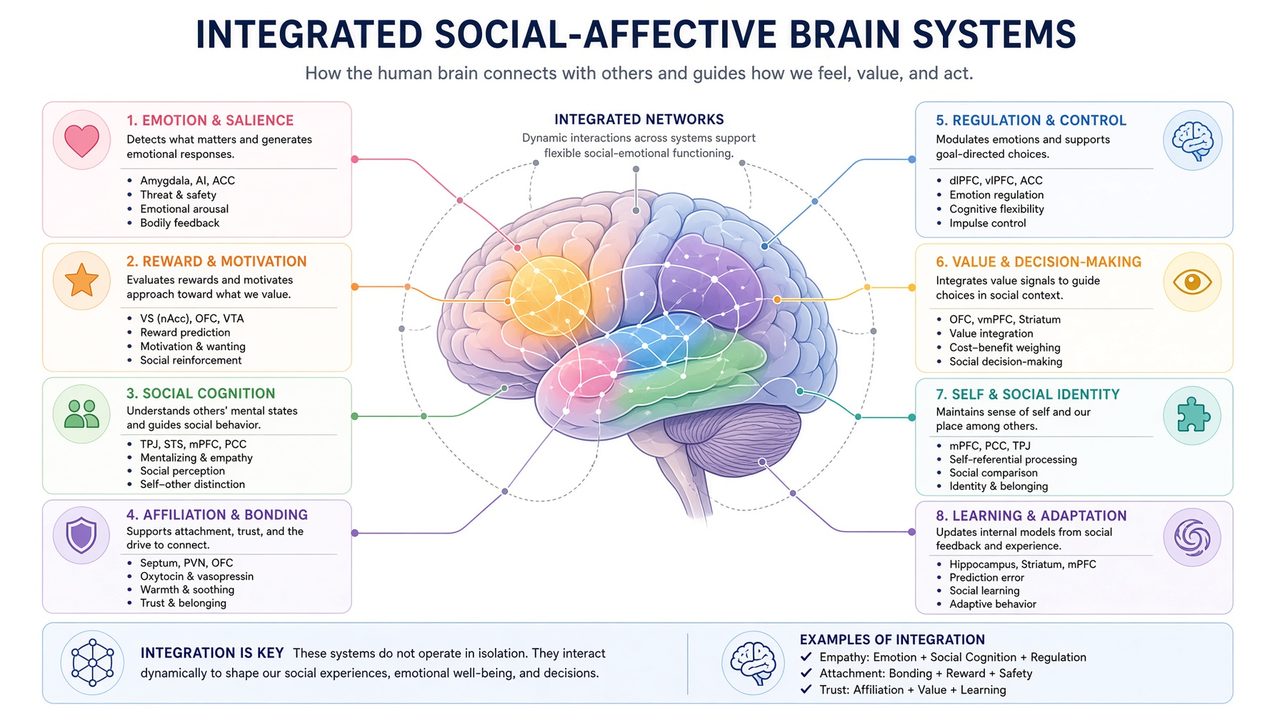
Loneliness sensitizes the brain to social threat, increasing vigilance for negative cues, which can make social interactions feel harder and fuel withdrawal. Imaging studies suggest altered activity in reward and social cognition networks. In animal studies, isolation reduces neurogenesis in the hippocampus, impairs learning and increases anxiety, although animal findings do not map exactly onto humans. The 2020 pandemic provided a natural experiment, with studies showing increases in loneliness and distress, especially among young adults and those living alone.
Who is at risk
- Older adults, especially after bereavement or retirement
- People with disability, chronic illness or hearing and vision loss
- Caregivers
- Rural residents and people with limited transport
- Adolescents and young adults
- Migrants and people from marginalized groups
What helps
- Small, regular steps: a daily call, a walk with a neighbor, a class
- Group activities with shared purpose, such as volunteering, choirs, faith groups, gardening or sports
- Treat hearing and vision problems, which impede conversation
- Use technology to maintain contact, including video calls
- Cognitive behavioral approaches that address negative expectations in social situations
- Social prescribing, where clinicians connect patients with community activities
- Pets and intergenerational programs
- Seek mental health care for persistent depression or anxiety
Supporting others
Check in with isolated neighbors and relatives. Offer transport or invitations, and be patient if they are hesitant.
Isolation during illness and recovery
People recovering from stroke, surgery or serious illness often lose contact with their usual networks, which can slow recovery and worsen mood. Health teams can help by asking about social support at appointments and connecting patients to services.
Measuring loneliness
Brief questionnaires, such as the UCLA Loneliness Scale, help clinicians and researchers identify people at risk. If loneliness is constant and heavy, speak to a primary care clinician, who can recommend counseling or community programs.
Quick ideas to try this week
Call one person you have not spoken with recently, accept one invitation, visit a library or community center, or join a free class. Small contacts add up, and each one makes the next easier.
Takeaway
Isolation is hard on the brain, and connection is protective. Small, steady efforts to reach out can break the cycle.
Further reading from authoritative sources
- National Institute of Mental Health (NIMH)
- National Institute of Neurological Disorders and Stroke (NINDS)
This article is educational and does not replace advice from a licensed clinician. See the medical disclaimer. Looking for specialist care? Browse the neurology clinic directory.