How Trauma Affects the Developing Brain
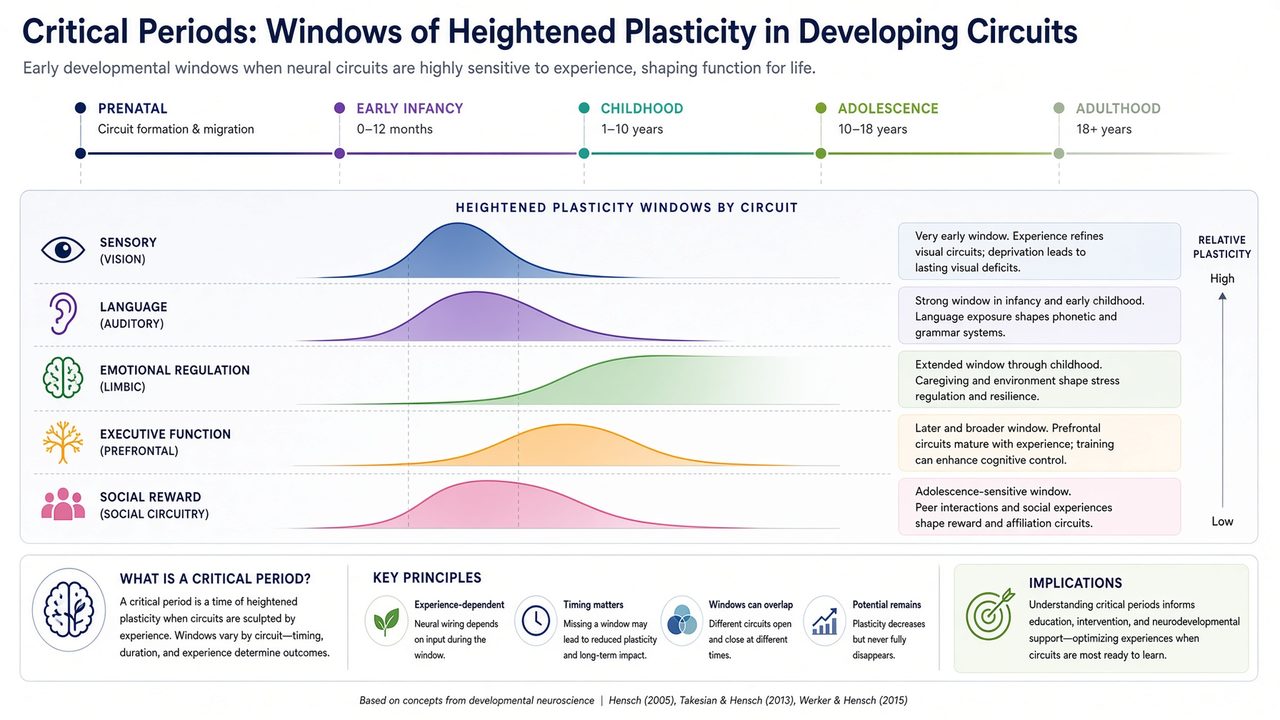
Traumatic experiences in childhood, such as abuse, neglect, violence or loss, can have lasting effects on development. The brain is still forming, and it is highly responsive to experience, for better or worse.
What counts as childhood adversity
The Adverse Childhood Experiences study, by Vincent Felitti and Robert Anda, linked experiences such as abuse, neglect and household dysfunction to later health problems, with risk rising with the number of experiences. Other adversities include bullying, community violence, war, medical trauma, serious accidents and loss of a caregiver.
How the brain responds
- Stress systems: repeated, unbuffered stress activates the hypothalamic-pituitary-adrenal axis and the sympathetic nervous system, and may change how the body regulates stress hormones.
- Amygdala: studies find heightened reactivity to threat in many maltreated children, which can make them vigilant for danger.
- Prefrontal cortex: regions supporting planning, attention and impulse control may develop differently, affecting self-regulation.
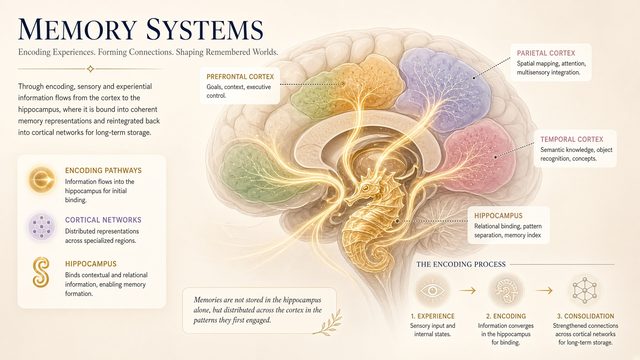
- Hippocampus: volume reductions have been reported in adults with early trauma, associated with memory and mood.
- Connectivity: differences in networks linking emotion and control regions.
- Epigenetic effects: studies in humans and animals suggest that early stress can alter gene regulation, though the long-term meaning in people is still being studied.

Behavior and learning
Children who experienced trauma may show difficulty concentrating, startle easily, struggle with trusting adults, have behavior problems, nightmares, stomachaches, or withdrawal. They may be mislabeled as defiant or inattentive when they are in survival mode. Some develop post-traumatic stress disorder, anxiety, depression or substance use problems later, while many do not.
Risk and protective factors
Outcomes depend on the type, duration and timing of trauma, genetics, and especially on the response of caregivers and community. A single stable, supportive adult is one of the strongest protective factors. Early detection and response to abuse and neglect matter.
Healing
- Safety first: stable housing, safe relationships and routines
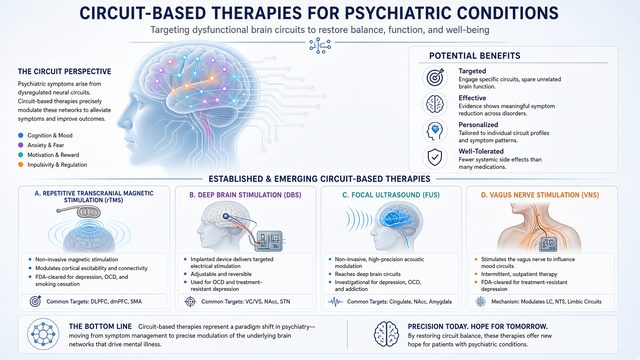
- Trauma-focused cognitive behavioral therapy: well-supported for children and adolescents
- Eye movement desensitization and reprocessing
- Parent-child interaction therapies and attachment-based approaches
- School supports: trauma-informed practices
- Medication may help with specific symptoms in some cases
- Mindfulness, exercise, sleep, creative expression and play support regulation
- Treatment for caregivers, since parent wellbeing affects children
For parents and teachers
Respond with calm, predictable routines and warmth. Ask what happened to a child, not what is wrong with them. Avoid shaming, and offer choices. Seek professional help from a pediatrician or mental health professional if symptoms persist or interfere with daily life.
If a child is in danger, contact local child protection services or emergency services.
Trauma-informed communities
Pediatric clinics, schools and child welfare agencies increasingly screen for adversity and respond with support, not punishment. Training adults to recognize trauma reactions, such as sudden anger or shutdown, helps children feel safe enough to learn. Recovery is rarely a straight line, and setbacks do not mean treatment has failed.
Adults healing from childhood trauma
Adults can also benefit from therapy, support groups, exercise, and stable relationships. Trauma-focused psychotherapy is effective even years later, and the brain retains the ability to change.
Takeaway
Trauma shapes development, and relationships heal. Early support helps the brain recover.
Further reading from authoritative sources
- National Institute of Mental Health (NIMH)
- National Institute of Neurological Disorders and Stroke (NINDS)
This article is educational and does not replace advice from a licensed clinician. See the medical disclaimer. Looking for specialist care? Browse the neurology clinic directory.