The Neuroscience of Family Dynamics

Families are the first social environment for most children. Patterns of care, communication and conflict leave imprints on brain systems that regulate emotion, stress and learning.
Attachment
John Bowlby and Mary Ainsworth described attachment as a bond that gives infants a secure base. Responsive caregiving helps infants regulate stress, and research shows that secure attachment is associated with better emotional regulation and social skills. Early deprivation, as in the Bucharest Early Intervention Project, can alter brain development, and moving children to quality family care improved outcomes.
Parenting and brain development
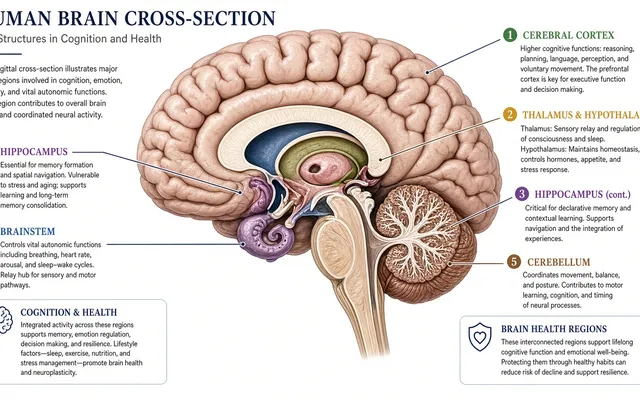
Studies by Joan Luby found that supportive parenting in preschool was associated with larger hippocampal volume in school-age children. Warmth, predictability, responsiveness and appropriate structure support development, and harsh or neglectful parenting is associated with greater stress reactivity and behavior problems. Parent-child interactions such as conversation and shared reading build language networks.

Family conflict
Studies show that chronic marital or family conflict raises children's stress levels and is associated with anxiety, behavior problems and altered brain responses to emotional stimuli, according to E. Mark Cummings and colleagues. Constructive conflict, in which parents resolve disagreements respectfully, can teach children problem solving.
Brain-to-brain coupling
Parent and child brains and bodies show synchrony during shared activities, such as heart rate and brain activity coupling when playing or talking together, which may support learning and bonding.
Family routines and rituals
Regular meals, bedtimes and traditions give predictability and belonging. Studies have linked family meals with better nutrition and lower rates of risk behaviors, although these associations may reflect other family qualities.
Parental wellbeing
Parental depression, stress and substance use affect children, and treating parental problems improves child outcomes. Parents benefit from support too.
Diverse families
Children thrive in many family forms, including single-parent, same-sex, blended, grandparent-led and adoptive families. Warm, stable relationships matter more than structure.
Strengthening family bonds
- Spend regular one-on-one time with each child
- Listen and validate feelings
- Set clear, consistent, fair limits
- Repair after conflict with apology and reconnection
- Share meals and activities
- Keep adults' conflicts away from children
- Seek family therapy or parent training when patterns feel stuck
- Take care of yourself to model regulation
Siblings, grandparents and extended family
Children benefit from many caring relationships. Siblings teach negotiation and sharing, and grandparents, aunts, uncles and family friends offer extra support, and these relationships can buffer stress when parents are struggling.
Stressful transitions
Divorce, moving, illness and bereavement challenge families. Children cope better when told honestly in age-appropriate ways, when routines stay stable, when conflict is kept away from them and when both parents remain involved safely. Counseling can help families adjust.
Culture and family
Family values and parenting practices differ across cultures, and what is adaptive in one context may differ in another. Health professionals should respect these differences while promoting safety and warmth.
Takeaway
Family life shapes the brain through everyday interactions. Warmth, structure and repair help children and adults thrive.
Further reading from authoritative sources
- National Institute of Mental Health (NIMH)
- National Institute of Neurological Disorders and Stroke (NINDS)
This article is educational and does not replace advice from a licensed clinician. See the medical disclaimer. Looking for specialist care? Browse the neurology clinic directory.