The Neuroscience of Social Rejection
Being excluded, ignored or turned down can produce a feeling that people often describe in physical terms, such as a punch in the gut or a broken heart. Neuroscience has explored why social pain seems so real.
Social pain and the brain
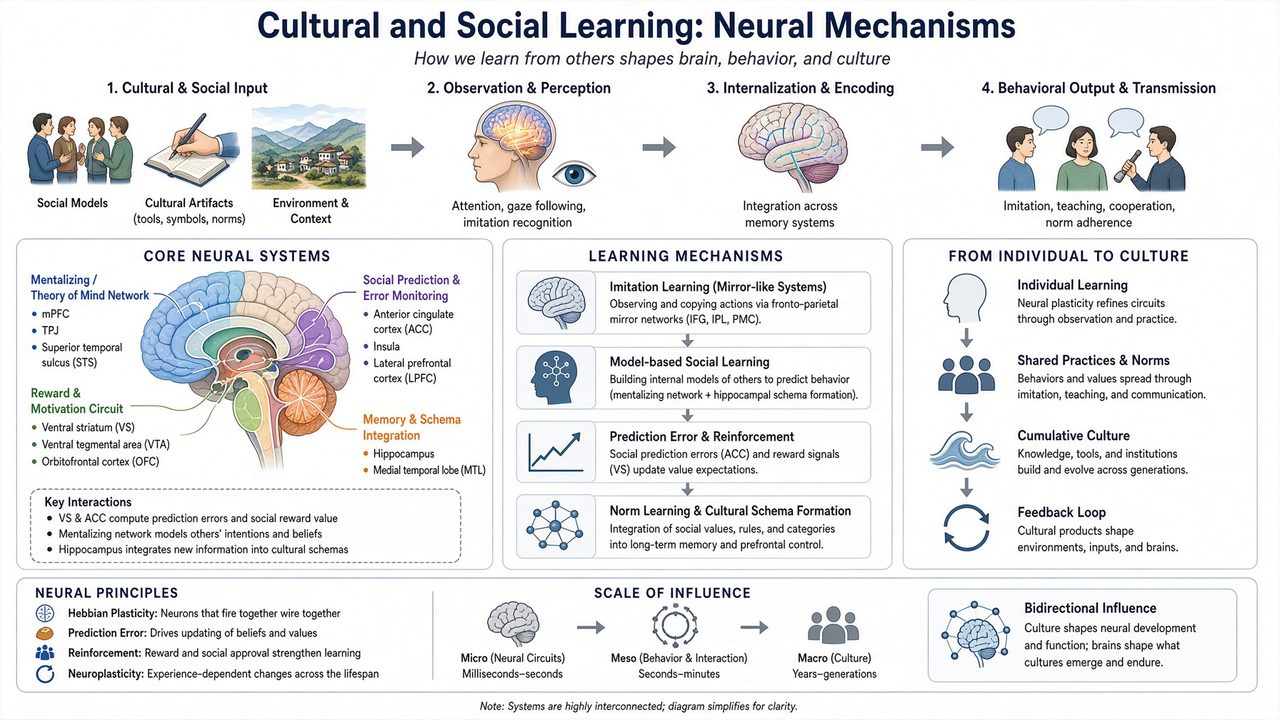
Humans depend on others for survival, so exclusion has historically been dangerous. Naomi Eisenberger and Matthew Lieberman used a computer ball-tossing game called Cyberball, in which participants were left out, to show activity in the dorsal anterior cingulate cortex and anterior insula, regions also engaged by the distress of physical pain. They proposed that social pain draws on systems that evolved for physical pain. Later work has refined this idea. Many researchers now think the overlap reflects general processes such as salience, threat and distress, and not an identical experience. Brain imaging studies find that physical pain and social rejection can be distinguished by their activity patterns.
Acetaminophen and social pain
A study by Nathan DeWall and colleagues reported that daily acetaminophen reduced self-reported hurt feelings and related neural activity, but the results have been debated, and replication has been mixed. Taking painkillers for emotional pain is not recommended.
Why rejection lingers
- Rumination: replaying events keeps distress alive.
- Sensitivity to threat: the amygdala and related networks respond to signs of disapproval.
- Self-worth: rejection can threaten identity and belonging.
- Individual differences: people with anxiety, depression, or past trauma, and those with rejection sensitivity, may react more strongly.
- Adolescence: teens are especially sensitive to exclusion.
Long-term effects
Chronic exclusion, such as bullying or prolonged isolation, is associated with depression, anxiety, poorer sleep and inflammation. Studies show that people who feel excluded may become more vigilant to social threat and may withdraw, which can reinforce loneliness.
How to cope
- Name the feeling, which reduces emotional intensity in studies of affect labeling.
- Practice self-compassion: treat yourself as you would a friend. Research by Kristin Neff and others links self-compassion to better recovery.
- Reach out to supportive people, which activates safety and reward circuits.
- Reappraise: consider alternative explanations that do not condemn you.
- Move your body, sleep, and eat well to support emotional regulation.
- Limit rumination: distraction, mindfulness and structured problem solving help.
- Rebuild belonging through groups, volunteering and shared activities.
- Seek professional help if rejection leads to prolonged low mood, panic or thoughts of self-harm.
Rejection in different settings
Rejection appears in friendships, romantic relationships, school, hiring and online spaces. Online exclusion, such as being ignored in a group chat or unfriended, can be as upsetting as in-person exclusion for many young people. Knowing that a reaction is common and biologically grounded can reduce shame.
When it becomes a problem
If fear of rejection leads you to avoid work, school, dating or friendships, cognitive behavioral therapy for social anxiety can help. Exposure to feared situations, step by step, retrains the brain's threat response.
Takeaway
Rejection hurts because the brain treats belonging as essential. Understanding this, and responding with kindness and connection, helps the hurt fade.
Further reading from authoritative sources
- National Institute of Mental Health (NIMH)
- National Institute of Neurological Disorders and Stroke (NINDS)
This article is educational and does not replace advice from a licensed clinician. See the medical disclaimer. Looking for specialist care? Browse the neurology clinic directory.