The Science of Early Intervention
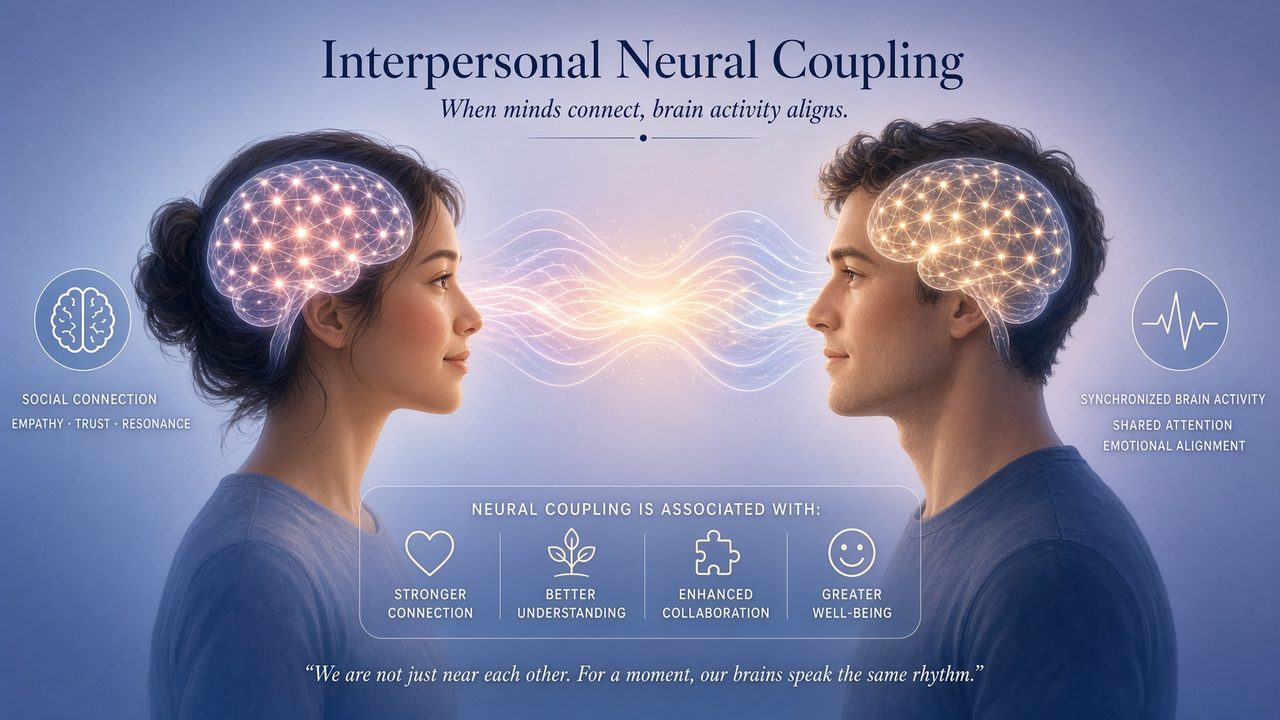
The first years of life are a period of rapid brain growth, with millions of new connections formed each second. Early intervention refers to services for infants and toddlers with developmental delays, disabilities or risk factors, with the aim of supporting development as early as possible.
Why early matters
Brain circuits for vision, hearing, language and emotion develop in sensitive periods, when experience has a particularly strong effect. Researchers including Eric Knudsen describe how early experience shapes the foundation for later learning. Studies of children with hearing loss show that those identified and fitted with devices or supported by sign language early have better language outcomes. Treating amblyopia, or lazy eye, is most effective in early childhood. Because skills build on each other, early help can prevent gaps from widening, and brains remain plastic later in life, so intervention is valuable at any age, but often easier early.
What early intervention includes
In the United States, Part C of the Individuals with Disabilities Education Act provides early intervention services for children from birth to age three, and similar services exist in many countries. Services may include speech and language therapy, occupational and physical therapy, special instruction, hearing and vision services, family training and support, and service coordination. Services are delivered in natural settings, such as the home, and focus on coaching caregivers to support learning in everyday routines.

Evidence of benefit
- Autism: programs such as the Early Start Denver Model, studied by Geraldine Dawson and colleagues, improved IQ, language and adaptive behavior in toddlers with autism in a randomized trial, and some brain activity changes were reported.
- Language delays: parent-implemented interventions improve language in late talkers.
- Cerebral palsy: early intensive motor therapy and goal-directed training improve function.
- Prematurity: developmental follow-up and home visiting can improve outcomes.
- Poverty and risk: high quality early programs such as the Abecedarian Project show long-term gains in education and health.
- Cost-effectiveness: economists such as James Heckman argue that early investment yields high returns.
Signs to watch
Parents who notice that a child is not babbling by 12 months, not using words by about 16 months, not pointing or making eye contact, losing skills, or having unusual stiffness or floppiness should discuss this with a pediatrician. Developmental milestones checklists are available from the Centers for Disease Control and Prevention. Trust your instincts, because parent concerns are valuable.
How to get help
- Talk to your pediatrician, and ask for developmental screening
- Contact your state or national early intervention program directly; you can usually self-refer without a doctor's referral
- Request an evaluation in writing
- Ask about services and parent coaching
- Follow through at home with daily routines
- Seek support from family groups
Equity and access
Families with limited resources or language barriers may find it harder to access services, and children from marginalized groups are often identified later. Outreach, translation, community screening events and reducing waiting lists help close gaps.
Beyond the early years
If a child ages out of early intervention, school-based special education and therapy continue support. Keeping records and goals consistent across transitions helps. Support remains valuable and effective at any age.
Takeaway
Do not wait and see when you have concerns. Early support uses the brain's strongest period of change.
Further reading from authoritative sources
- National Institute of Mental Health (NIMH)
- National Institute of Neurological Disorders and Stroke (NINDS)
This article is educational and does not replace advice from a licensed clinician. See the medical disclaimer. Looking for specialist care? Browse the neurology clinic directory.