The Science of Play and Brain Growth
Play is not a break from learning. For children, it is a central way the brain develops. Researchers across psychology, neuroscience and education have documented that play supports thinking, creativity, emotional regulation and social skills, and organizations such as the American Academy of Pediatrics recommend protecting time for it.
Types of play
- Exploratory and sensorimotor play, such as shaking a rattle and stacking blocks
- Physical and rough-and-tumble play, such as running, climbing and chasing
- Object play, using toys and tools
- Pretend play, such as playing house or superheroes
- Constructive play, building and creating
- Games with rules, such as tag and board games
- Outdoor and risky play, including climbing and exploring
What happens in the brain
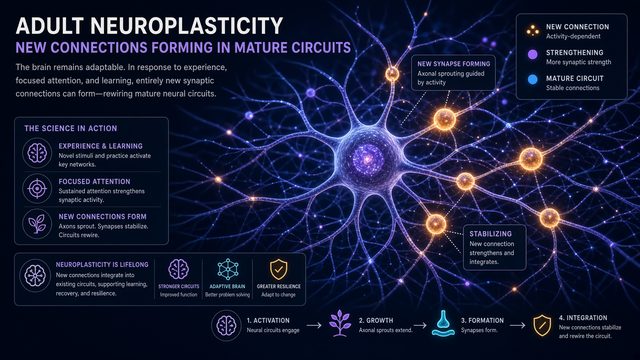
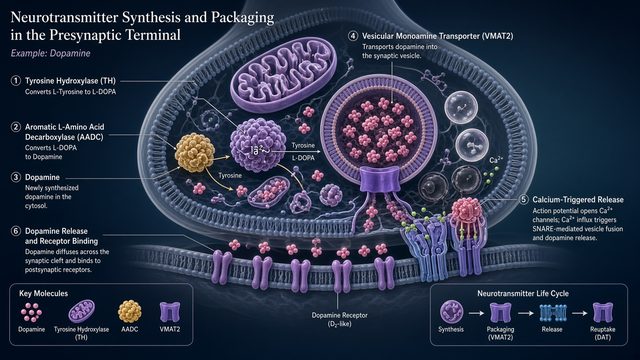
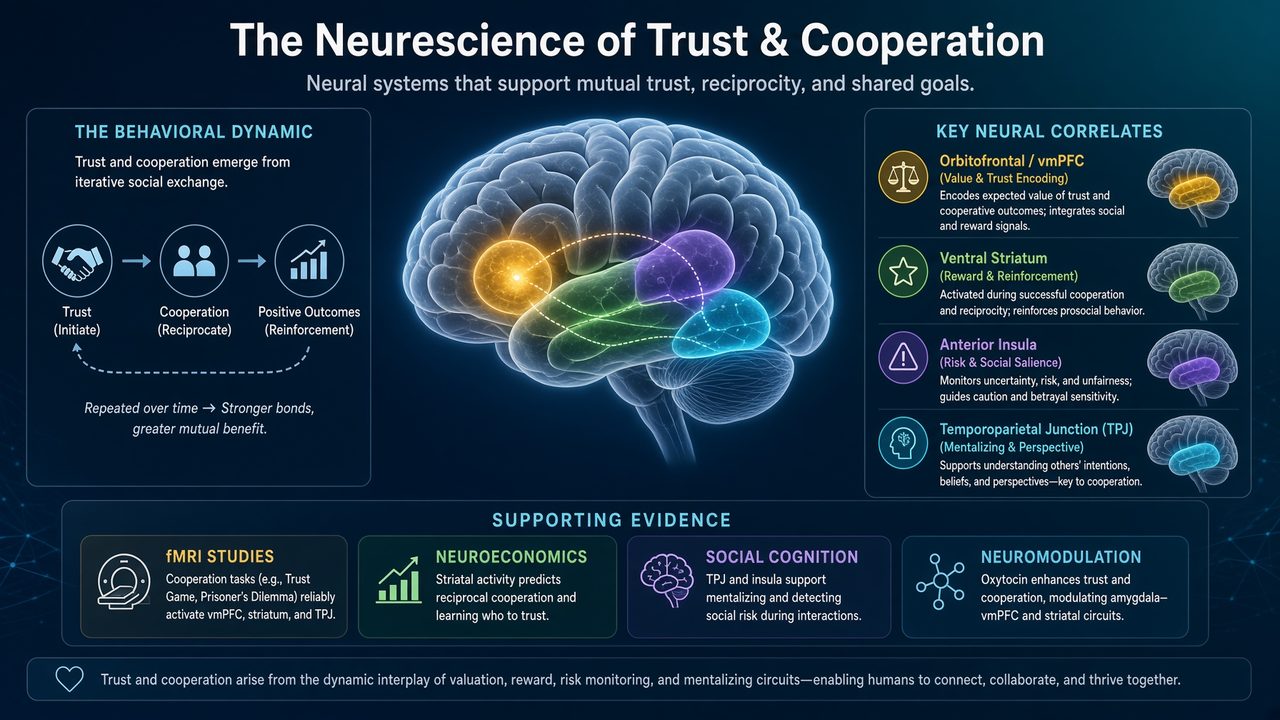
Play activates reward systems, with dopamine reinforcing exploration and learning. Physical play stimulates the cerebellum and motor cortex and releases brain-derived neurotrophic factor, a protein that supports neuron growth. Pretend play engages prefrontal regions involved in planning, perspective-taking and executive function. In rodents, deprivation of play in youth is linked to altered prefrontal development and social difficulties, and play fighting seems to help build social competence, although extrapolating to humans requires caution.

Skills supported by play
Executive function
Pretend play and games with rules require planning, inhibition, working memory and flexibility. Studies of preschoolers link rich pretend play with better self-regulation.
Language and literacy
Play with others invites conversation, storytelling and new vocabulary.
Social and emotional skills
Children practice negotiating, sharing, taking turns and understanding others' feelings. Play allows them to rehearse emotional experiences safely.
Creativity and problem solving
Open-ended play encourages experimentation and flexible thinking.
Motor skills and physical health
Active play builds coordination, strength and fitness, and reduces obesity risk.
Stress relief
Play helps children regulate emotion and recover from stress. Therapists use play therapy to help children process difficult experiences.
Guided and free play
Both have roles. Free play, led by children, supports autonomy and imagination. Guided play, in which adults gently structure a playful activity toward a learning goal, can boost learning of concepts such as shapes and early math. Research suggests that guided play can be as effective as direct instruction for some early skills, while retaining engagement.
The decline of play
In many countries, children have less unstructured time, with more screen use, more homework and academic pressure on younger children, and fewer safe outdoor spaces. Researchers worry about links with anxiety and attention difficulties. The relationship is complex, and more research is ongoing.
Play beyond childhood
Adults benefit from play too. It is associated with creativity, stress relief and connection. Physical games, hobbies, humor and creative pursuits keep the brain engaged.
How adults can support play
1. Protect unstructured time every day. 2. Provide simple, open-ended materials, such as blocks, art supplies and dress-up items. 3. Get outside, letting children explore safely. 4. Join in occasionally and follow the child's lead. 5. Allow some safe risk, such as climbing, with supervision. 6. Limit passive screen time, and choose interactive, age-appropriate content when used. 7. Support all abilities, adapting play for children with disabilities. 8. Do not turn everything into a lesson.
Takeaway
Play is serious business for the developing brain. Giving children time, space and permission to play is one of the best investments in their learning and well-being.
Further reading from authoritative sources
- National Institute of Mental Health (NIMH)
- National Institute of Neurological Disorders and Stroke (NINDS)
This article is educational and does not replace advice from a licensed clinician. See the medical disclaimer. Looking for specialist care? Browse the neurology clinic directory.